
 By Admin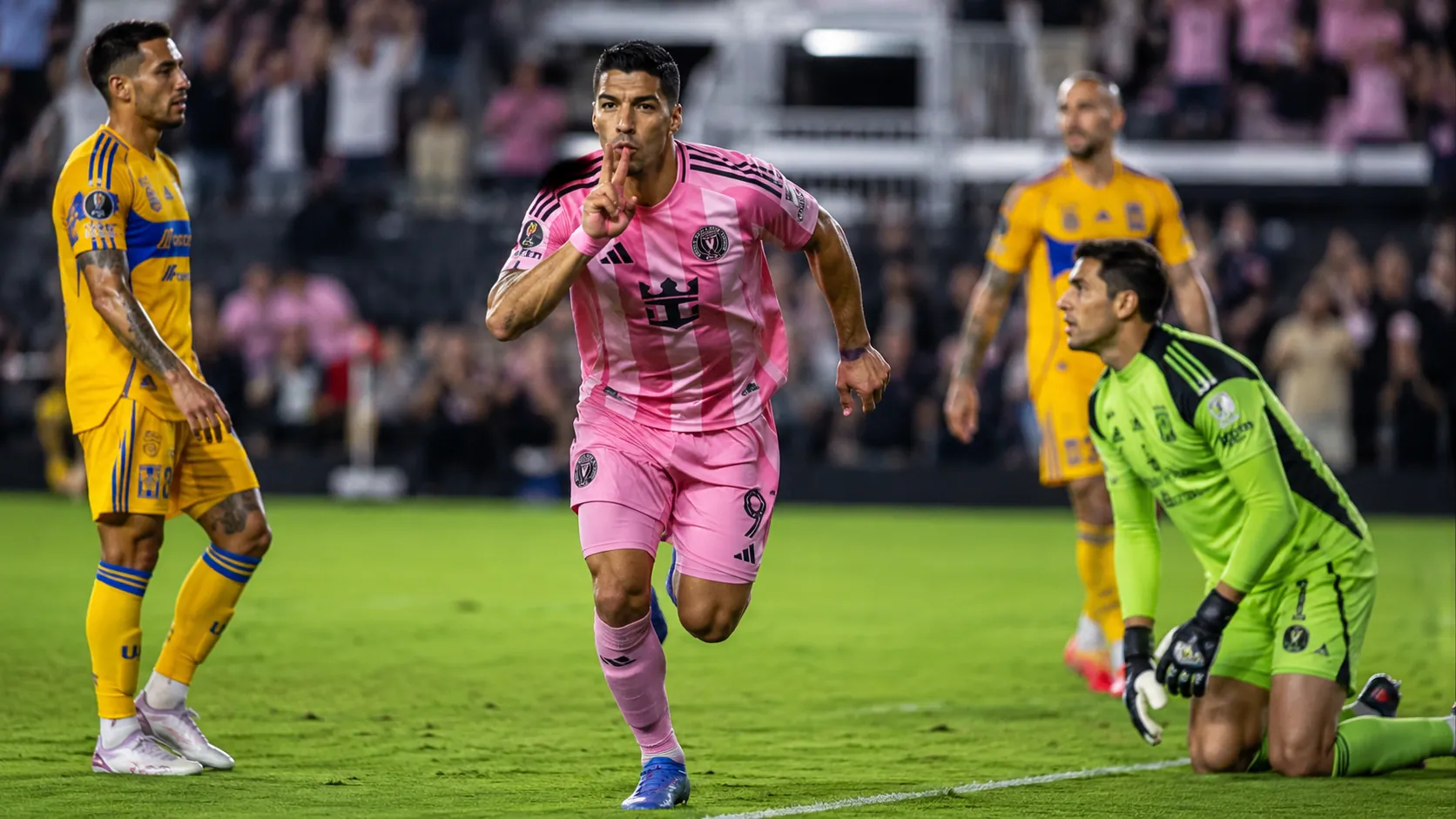
Introduction
The inter miami vs tigres uanl timeline tells the story of a tense Leagues Cup quarterfinal that was decided by pressure, discipline, and two calm Luis Suárez penalties. Inter Miami beat Tigres UANL 2-1 at Chase Stadium on August 20, 2025, but the score alone does not explain how close the match really felt. Tigres had more possession, Inter Miami created the cleaner decisive moments, and the final minutes almost changed the entire story.
For readers, this matchup matters because it was not just another MLS vs Liga MX game. It brought together Inter Miami’s star-heavy squad, Tigres’ tournament experience, Lionel Messi’s injury absence, Ángel Correa’s attacking threat, and a place in the Leagues Cup semifinals. If you want a useful match recap, you need more than a goal list. You need the background, the first-half rhythm, the second-half turning points, the tactical picture, and the mistakes to avoid when reading match timelines online.
Inter Miami vs Tigres UANL Timeline: Quick Match Snapshot
Inter Miami entered the match knowing that Tigres UANL had already beaten them 2-1 in the 2024 Leagues Cup group stage. That gave the 2025 quarterfinal a revenge angle, but it also added pressure. The game was played at Chase Stadium in Fort Lauderdale, with Inter Miami trying to protect home advantage and Tigres looking to prove that Liga MX quality could travel well into a knockout environment.
The final score was Inter Miami 2-1 Tigres UANL. Luis Suárez opened the scoring from the penalty spot in the 23rd minute after a handball decision against Javier Aquino. Tigres responded in the second half through Ángel Correa in the 67th minute, and Suárez scored the winning penalty in the 89th minute after another handball call involving Aquino. That simple timeline explains the goals, but the match itself had far more tension than a normal 2-1 result.
Lionel Messi did not play, which changed the way many people judged the result. Without Messi, Inter Miami had to rely more on Suárez’s penalty-box experience, Sergio Busquets’ control, Jordi Alba’s width before his injury issue, Rodrigo De Paul’s energy, and Óscar Ustari’s late saves. For Tigres, Correa was the most dangerous attacking reference, while Juan Brunetta, Diego Lainez, and late substitutes helped keep Inter Miami uncomfortable until the final whistle.
Match Background, Competition Context, and Head-to-Head Record
This match was part of the 2025 Leagues Cup quarterfinals, a tournament built around MLS and Liga MX clubs facing each other in competitive knockout-style games. That context is important because Inter Miami vs Tigres UANL was not only about one club beating another. It was also about how MLS clubs measure themselves against established Mexican teams with strong squads, experienced coaches, and passionate fan bases.
Before the game, Tigres had reason to feel confident. The teams had met in the 2024 Leagues Cup group stage, and Tigres won that match 2-1 at NRG Stadium in Houston. Inter Miami still advanced from that group, but Tigres took the top spot and showed that they could handle Miami’s possession and attacking pressure. That previous result made the 2025 meeting feel like a direct test of progress for Inter Miami.
Inter Miami’s 2025 win balanced the early head-to-head picture between the clubs. Tigres had the first victory in 2024, while Inter Miami answered with a 2-1 win in 2025. For a reader studying the inter miami vs tigres uanl timeline, this is useful because it shows that the matchup is not one-sided. Both games ended 2-1, both were competitive, and both were shaped by decisive late or high-pressure moments.
The competition context also raised the stakes. Inter Miami were trying to return to the deeper stages of a tournament they had won in 2023. Tigres were trying to become a leading Mexican threat in a competition where Liga MX clubs often carry high expectations. When you look at the match through that lens, the timeline becomes more than a sequence of minutes. It becomes a story of tournament pressure and small margins.
First-Half Timeline and Key Moments
The first half began with Inter Miami trying to settle into possession while Tigres looked for moments to disrupt the rhythm. Miami did not have Messi to draw defenders or create instant overloads, so their attack leaned on wide service, midfield control, and Suárez’s positioning. Tigres were compact enough to keep the match tight, but they still had to defend dangerous areas around the box.
The first major moment came in the 23rd minute. Jordi Alba delivered a ball from the left side, and the cross struck Javier Aquino’s arm inside the penalty area. The decision gave Inter Miami a chance from the spot. Suárez stepped up and finished with the calm of a striker who has taken this kind of pressure kick for years. That goal gave Miami a 1-0 lead and changed the emotional weight of the match.
After going behind, Tigres did not collapse. They continued to hold a good share of possession and tried to bring Correa and Brunetta into more useful attacking spaces. Inter Miami, meanwhile, had to decide whether to push for a second goal or protect the lead. That balance is often what separates a clean win from a nervous knockout match. Miami had the advantage, but they had not yet created enough distance on the scoreboard.
There was also a discipline issue before halftime. Javier Mascherano, Inter Miami’s coach, was sent off after reacting angrily to the amount of stoppage time shown. That mattered because a coach’s absence can affect second-half communication, substitution timing, and emotional control. Even if the players remain experienced, a red card to the manager can shift the atmosphere around a tight game.
Inter Miami vs Tigres UANL Timeline: Second-Half Turning Points and Final Result
The second half opened with Tigres showing more attacking belief. They knew one goal would reset the match, and Inter Miami were dealing with injuries and pressure. Jordi Alba was replaced early in the second half because of a lower-leg issue, which removed one of Miami’s most important wide outlets. When Alba leaves a match, Miami lose not only a defender but also a player who understands timing, crossing angles, and attacking movement.
Tigres found their equalizer in the 67th minute. Ángel Correa moved into a dangerous area, worked past the defensive pressure, and scored to make it 1-1. The finish may not have been the cleanest goal of the tournament, but it counted, and it rewarded Tigres for their second-half improvement. For Inter Miami, the goal exposed a familiar risk: when they do not kill a match early, the opponent can turn one sharp move into a crisis.
The next turning point came through Ustari. Correa nearly punished Miami again, but Ustari produced an important save at the near post. That moment was easy to overlook because Suárez later scored the winner, but goalkeepers often decide knockout matches before the decisive goal arrives. If Tigres had scored again during that spell, Miami would have had to chase the game without Messi and without the same wide structure they started with.
The final decisive moment came in the 89th minute. Another handball decision involving Aquino led to a second Inter Miami penalty after video review. Suárez stayed composed and scored again, giving Miami a 2-1 lead. Even then, Tigres almost forced extra drama in stoppage time when a header struck both posts and somehow stayed out. That final scare showed why the match should be remembered as a narrow, high-pressure win rather than a comfortable Miami performance.
Tactical Breakdown, Player Impact, and Match Stats
Tactically, Inter Miami won the game by making the most of high-value moments rather than dominating every phase. Tigres had more possession, but Miami produced enough direct threat to force penalty-area incidents. That is an important lesson when reading soccer stats. Possession can tell you who had the ball, but it does not always tell you who created the most decisive pressure.
Inter Miami’s official stats showed Tigres with 58.7 percent possession and Miami with 41.3 percent. Yet Miami recorded 13 shots compared with Tigres’ 11, while Miami also had four corners to Tigres’ two. Those numbers support what the eye test suggested. Tigres controlled stretches of the ball, but Miami still found enough attacking entries and box pressure to win the key moments.
Suárez was clearly the defining player. He did not need a highlight-reel open-play goal to shape the match. His value came from nerve, experience, and penalty execution under heavy pressure. Scoring in the 23rd minute is useful, but scoring again in the 89th minute of a knockout match is a different mental test. That is where veteran forwards often separate themselves.
For Tigres, Correa was the main attacking spark. He scored the equalizer, forced Ustari into an important save, and kept Miami’s defense alert. Brunetta also mattered as a creator, while Tigres’ late pressure showed their depth and confidence. From an expert viewing angle, the match was not a simple case of Miami being better in every department. It was a case of Miami surviving difficult spells and executing the game’s most valuable chances.
Personal Experience Style: The 3-Layer Match Review Method
When I review a match like this, I use what I call the 3-Layer Match Review Method. It helps you avoid the mistake of judging everything from the final score. The first layer is the basic timeline: goals, cards, injuries, substitutions, penalties, and final result. For this match, that layer shows Suárez scoring twice from the spot, Correa equalizing, Mascherano being sent off, Alba leaving injured, and Tigres nearly forcing a late twist.
The second layer is the control layer. This asks who controlled the ball, who controlled territory, and who controlled emotional pressure. Tigres had more possession and improved after halftime, but Inter Miami controlled the most important penalty-box moments. That difference matters because soccer is not always won by the team that looks smoother in midfield. It is often won by the team that turns pressure into clearer scoring value.
The third layer is the consequence layer. This asks what the result changed. Inter Miami advanced to the Leagues Cup semifinals, answered their 2024 loss to Tigres, and proved they could win a major knockout match without Messi. Tigres, on the other hand, left with frustration because they had enough possession and late pressure to believe the game could have gone differently.
This method is practical because it helps you read any inter miami vs tigres uanl timeline with more confidence. You do not just ask, “Who scored?” You ask, “Why did that moment happen, what changed after it, and what did it mean for the tournament?” That is how you move from a thin recap to a useful football analysis.
Common Mistakes and Questions to Ask Before Trusting a Match Timeline
One common mistake is trusting a timeline that lists events without checking whether the details are verified. A weak article might say that Miami dominated without explaining Tigres’ possession advantage. Another might mention the Suárez brace without explaining that both goals came from penalties. Those details matter because they change how the reader understands the match.
A second mistake is treating Messi’s absence as a small side note. In an Inter Miami article, Messi’s availability is a major search intent point. Many readers want to know whether he played, why he missed the game, and how Miami adjusted without him. A helpful article should answer that clearly instead of using Messi’s name only for clicks.
You should also ask whether the timeline includes tactical context. A strong match recap explains why Alba’s early second-half exit mattered, why Correa found more space after halftime, and why Ustari’s save was a key moment before the winning penalty. These are the details that separate useful analysis from basic score reporting.
The best way to judge a timeline is to compare it with official club recaps, reliable live-score platforms, match reports, and tournament sources. Look for matching goal minutes, final score, competition round, venue, and player events. If those details are missing or vague, the article may be written for search engines rather than for readers.
Conclusion, FAQ, and Disclaimer
The inter miami vs tigres uanl timeline is best understood as a knockout match decided by composure under pressure. Inter Miami won 2-1 through Luis Suárez’s penalties in the 23rd and 89th minutes, while Tigres answered through Ángel Correa in the 67th minute and almost forced a late equalizer when a stoppage-time header hit both posts.
This result mattered because Inter Miami advanced to the Leagues Cup semifinals, gained revenge for the 2024 loss to Tigres, and showed they could survive a difficult night without Lionel Messi. Tigres showed quality, possession control, and attacking threat, but Miami were sharper in the defining penalty-area moments. For readers, the match is a reminder that a proper timeline should explain not just when events happened, but why they mattered.
Who won Inter Miami vs Tigres UANL?
Inter Miami won the 2025 Leagues Cup quarterfinal against Tigres UANL by a 2-1 scoreline. Luis Suárez scored both Inter Miami goals from the penalty spot.
What was the final score of Inter Miami vs Tigres UANL?
The final score was Inter Miami 2-1 Tigres UANL. Suárez scored in the 23rd and 89th minutes, while Ángel Correa scored Tigres’ goal in the 67th minute.
Did Lionel Messi play against Tigres UANL?
Lionel Messi did not play in this match because of fitness concerns after a muscle issue. His absence made the win more important for Inter Miami because they had to rely on other leaders in the squad.
What were the biggest turning points in the match?
The biggest turning points were Suárez’s first penalty, Correa’s equalizer, Ustari’s important second-half save, and the late VAR-reviewed penalty that Suárez converted in the 89th minute. Tigres’ stoppage-time header hitting both posts was also a huge final scare.
What is the head-to-head record between Inter Miami and Tigres UANL?
After their first two Leagues Cup meetings, the matchup was balanced with one win each. Tigres beat Inter Miami 2-1 in 2024, and Inter Miami answered with a 2-1 win in 2025.
Disclaimer: This article is for informational and sports-analysis purposes only. Match details, player availability, stats, and competition records can be updated by official sources, so always verify final data with the club, league, or trusted live-score platforms before citing it professionally.
Loved Reading This? Discover More Exclusive Stories And Updates At [nomadcroft.com]!