
 By Admin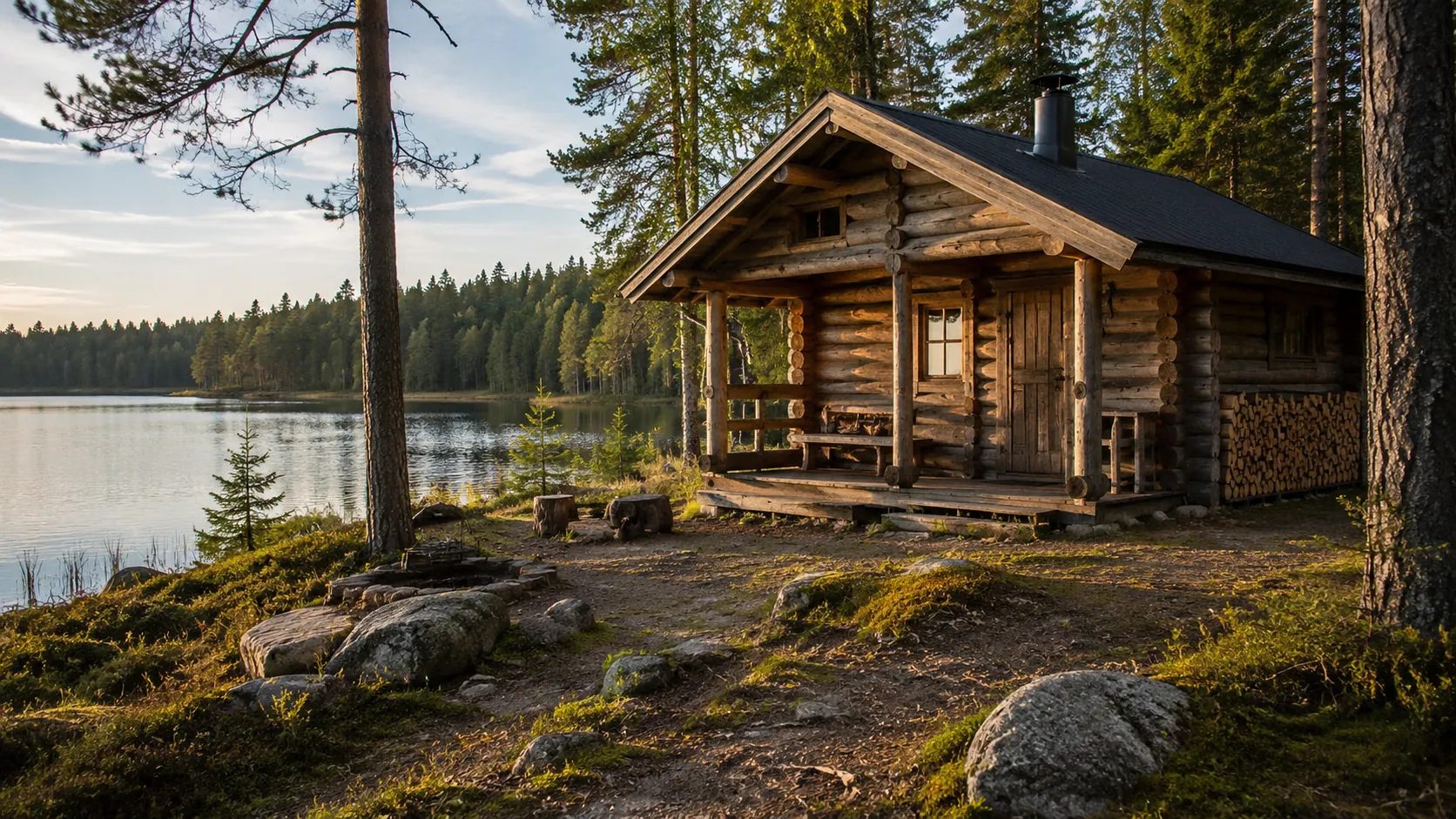
Tiimatuvat is a term commonly connected online with traditional Finnish wooden cabins, rural dwellings, simple living, and Finnish cultural heritage. While the word is not always used in one fixed way, most current discussions describe tiimatuvat as warm, practical, nature-connected spaces inspired by traditional Finnish architecture and Finnish log buildings.
At its heart, tiimatuvat brings together several ideas: wood construction, community living, sustainable living, and a deep connection to Finland’s forests, lakes, and rural lifestyle. Some sources use the word to describe traditional Finnish cabins, while others connect it with broader values such as teamwork, innovation, growth, and a future-ready mindset.
This guide explains the tiimatuvat meaning in a simple, clear way. You will learn what tiimatuvat are, why the term has different meanings online, how they connect to Finnish culture, what materials are used, how climate shaped their design, and why they still matter today.
What Is Tiimatuvat?
Tiimatuvat is commonly described as a Finnish-inspired concept linked to traditional Finnish cabins, Finnish wooden cabins, or traditional Finnish dwellings built with natural materials. In many online articles, tiimatuvat are presented as simple wooden structures designed for warmth, shelter, practicality, and life close to nature.
A tiimatuvat-style space is usually associated with log cabins, timber-framed rural dwellings, wooden shelters, and Finnish rural homes. These buildings are often imagined in peaceful natural settings, surrounded by Finnish forests, frozen lakes, snow-covered landscapes, and quiet countryside.
The word is also sometimes linked with tiimatupa, which appears as a related form in competitor content. Because the term is not always explained consistently, it is best to understand tiimatuvat as a modern online keyword used to describe a blend of Finnish architecture, cabin culture, rural simplicity, and sustainable lifestyle values.
In simple words, tiimatuvat can be understood as:
| Concept | Simple Meaning |
| Traditional Finnish cabins | Wooden rural buildings connected to Finnish heritage |
| Finnish log buildings | Structures made from timber logs, pine, spruce, and local wood |
| Nature retreat | A peaceful cabin-style space surrounded by forests or lakes |
| Cultural symbol | A reflection of Finnish simplicity, warmth, and community |
| Sustainable living idea | A small, practical, low-impact way of living close to nature |
So, when people search “what is tiimatuvat”, they are usually looking for a clear explanation of a Finnish-style wooden dwelling or a lifestyle concept rooted in nature, tradition, and practical design.
Why Tiimatuvat Has Different Meanings Online
One reason tiimatuvat meaning can feel confusing is that different websites explain it in different ways. Some describe tiimatuvat as traditional Finnish architecture, some call them traditional log houses, and others connect the term with innovation, growth, collaboration, and future success.
This happens because the term appears to be used more as a modern online concept than as a widely recognized everyday term. In current online usage, tiimatuvat is often associated with Finnish cabin culture, but it may also be used symbolically to describe teamwork, shared growth, and human-centered progress.
The safest way to explain it is this: tiimatuvat is most commonly connected with Finnish-style wooden cabins and rural dwellings, but its meaning can change depending on the source.
That is why a helpful article should not overclaim. Instead of saying tiimatuvat has only one official meaning, it is more accurate to say that tiimatuvat is commonly described as a Finnish-inspired shelter, cabin, or cultural-lifestyle idea.
This flexible meaning actually makes the topic more interesting. It allows tiimatuvat to represent both a physical space and a set of values: simplicity, sustainability, resilience, community, and harmony with nature.
Is Tiimatuvat a Real Finnish Word?
Many readers ask: Is tiimatuvat a real Finnish word? This is an important question because the term is not as commonly known as other Finnish cultural words like sauna or sisu.
Based on current online usage, tiimatuvat appears to be treated as a Finnish-related term, but its exact linguistic status is not always clearly explained. Some sources also use tiimatupa, which may be presented as a related singular-style form. Because of this, it is best to avoid making strong claims without clear language evidence.
A more careful explanation is that tiimatuvat is a term currently used online to describe traditional Finnish cabins, rural wooden homes, and nature-based living spaces. It may not be familiar to every Finnish speaker in the same way as widely recognized cultural terms.
This distinction matters for SEO and reader trust. A reliable article should explain the keyword clearly while also acknowledging the uncertainty. That helps users who are searching for tiimatuvat definition, tiimatuvat origin, or tiimatuvat vs tiimatupa.
History and Origins of Tiimatuvat in Finnish Architecture
The idea behind tiimatuvat traditional Finnish architecture fits naturally into Finland’s long history of wood construction and rural living. Finland has vast forests, and for generations, local communities relied on pine logs, spruce logs, timber, stone, moss, clay, and other natural materials to build homes and shelters.
Traditional Finnish rural buildings were designed to solve practical problems. People needed protection from long dark winters, heavy snowfall, freezing temperatures, and scarce daylight. Homes had to be warm, durable, and easy to repair with local materials. This is why Finnish log buildings became such an important part of rural architecture.
Many discussions of Finnish vernacular architecture mention long-standing log-building traditions, sometimes described as going back over 1,000 years. Preserved examples of rural Finnish architecture are often linked with periods such as the 17th century, early 20th century, and the broader 17th to the early 20th century timeline.
In that cultural context, tiimatuvat can be understood as part of a wider architectural tradition rather than a single building type. It connects to Finnish architectural heritage, traditional Finnish dwellings, farm buildings, rural households, and simple shelters used by people who lived close to forests, fields, lakes, and seasonal rhythms.
These structures were not only places to sleep. They were places for warmth, cooking, family life, storytelling, storage, repair work, and community gathering. That is why tiimatuvat carries both architectural and cultural meaning.
Key Architectural Features of Tiimatuvat
The key architectural features of tiimatuvat come from the needs of rural Finnish life. These buildings were practical first. Beauty came from simplicity, balance, natural materials, and careful craftsmanship.
Thick Wooden Walls and Log Construction
Traditional tiimatuvat-style buildings are strongly linked with log houses, log cabins, and Finnish log buildings. Thick wooden walls helped hold warmth during cold weather. Timber logs, hand-hewn logs, and interlocking corner notch joints made the structure strong and stable.
The use of notched corners, saddle notch joints, and hand-crafted joinery gave these buildings durability without needing overly complex materials.
Steep or Sloping Roofs
In a region shaped by snow accumulation and harsh winters, roof design matters. Steep roofs or sloping roofs helped snow slide away more easily, reducing pressure on the building. Some traditional structures used wooden shingles, turf roofs, or thatch-style roofing depending on the region and available materials.
Small Windows and Natural Light
Small windows helped reduce heat loss while still allowing natural light inside. In places with long dark winters, even limited daylight was valuable. Window placement was often practical, balancing warmth, safety, and comfort.
Central Fireplace and Interior Warmth
A central fireplace was one of the most important parts of a traditional rural dwelling. It provided heat, supported cooking, and created a natural gathering place. Around the fireplace, people could share food, tell stories, repair tools, and rest after work.
Compact Layout and Shared Space
Many traditional homes used compact layouts because smaller spaces were easier to heat. Built-in benches, sleeping platforms, storage alcoves, and shared rooms made daily life efficient. The design supported community living, family closeness, and practical use of every corner.
Materials Used in Traditional Tiimatuvat
The materials used in traditional tiimatuvat-style construction were usually local, natural, and durable. Builders often worked with what the surrounding landscape provided. This made the structures practical and environmentally sensible.
Common materials included pine, spruce, timber logs, stone foundations, moss chinking, birch bark, clay insulation, wooden beams, and woven textiles. These materials supported warmth, insulation, and long-term durability.
Local wood was especially important. Pine and spruce were widely used because they were available in Finnish forests and suitable for log construction. Stone foundations helped lift wooden structures away from ground moisture. Moss chinking and clay could help seal gaps between logs, reducing drafts and improving comfort.
Inside, wooden surfaces, handcrafted furniture, woven textiles, and simple storage solutions created a warm and practical atmosphere. These interiors were not designed for luxury in the modern sense. They were designed for comfort, survival, and everyday use.
This use of natural materials is one reason tiimatuvat is now connected with sustainable living and eco-friendly practices. The buildings were small, repairable, locally sourced, and shaped by climate rather than fashion.
How Finnish Climate Shaped Tiimatuvat Design
Finnish climate played a major role in shaping tiimatuvat design. In rural Finland, buildings needed to survive heavy snowfall, below freezing temperatures, long dark winters, moisture, wind, and seasonal change.
This is why cold-climate architecture is so important to understanding tiimatuvat. Thick wooden walls helped retain heat. Compact rooms reduced energy loss. Fireplaces gave central warmth. Steep roofs managed snow. Small windows limited drafts. Ventilation helped reduce moisture buildup inside timber homes.
The design was not random. Every feature had a purpose.
For example, a central fireplace was not only a charming detail. It was essential for warmth and survival. A sloping roof was not only a visual style. It helped protect the building during snowy months. Small windows were not only traditional. They helped conserve heat when outside temperatures stayed low.
This climate-based practicality gives tiimatuvat lasting value. Modern cabin designers still study traditional approaches such as passive heating, natural insulation, weather-resistant cabin design, and energy-efficient cabin layouts.
Tiimatuvat and Finnish Culture
Tiimatuvat and Finnish culture are closely connected because these buildings represent more than shelter. They reflect values such as simplicity, functionality, durability, resourcefulness, and respect for the natural world.
In rural Finnish society, a home or cabin was often a shared space. It supported family life, farm work, rest, food preparation, and social bonding. Farmers, herders, local craftsmen, and family members all played a role in shaping the way these spaces were built and used.
The cultural meaning of tiimatuvat is also tied to connection to nature. Finnish life has long been shaped by forests, lakes, seasons, and weather. A traditional wooden dwelling was not separate from nature; it was part of the landscape.
Inside these spaces, people gathered around fire, shared stories, celebrated seasonal events, and passed down local customs. This is why tiimatuvat can symbolize community spaces, social bonds, and cultural memory.
In a modern world full of fast technology and constant noise, tiimatuvat appeals to readers because it feels slower and more grounded. It represents the idea that a home does not need to be large or complicated to be meaningful. It needs to be warm, useful, honest, and connected to the people who live there.
Tiimatuvat vs Finnish Sauna, Log Cabin, and Wilderness Hut
Because the term is used in different ways, it helps to compare tiimatuvat with related ideas.
| Term | Main Meaning | How It Differs from Tiimatuvat |
| Finnish sauna | A heat and bathing tradition | A sauna is not the same as a dwelling, though both connect to Finnish rural life |
| Log cabin | A wooden cabin built from logs | Tiimatuvat adds more Finnish cultural and architectural context |
| Wilderness hut | A simple shelter for hikers or travelers | Tiimatuvat may suggest broader heritage, lifestyle, or rural dwelling meaning |
| Nordic cabin | A broad cabin style from Nordic regions | Tiimatuvat is more Finnish-focused in online usage |
| Traditional Finnish dwelling | A rural home or shelter | This is one of the closest meanings connected to tiimatuvat |
A Finnish sauna, especially a smoke sauna or savusauna, may be part of a rural homestead, but it should not be confused with tiimatuvat itself. A sauna is mainly a bathing and heat tradition, while tiimatuvat is more often discussed as a cabin, dwelling, or wooden shelter concept.
Similarly, a wilderness hut is usually a practical outdoor shelter, while tiimatuvat carries more cultural and architectural meaning.
Sustainability and Eco-Friendly Value of Tiimatuvat
One of the strongest modern reasons people are interested in tiimatuvat is its connection to sustainable living. Traditional Finnish cabins were often built with renewable materials, local wood, natural insulation, compact layouts, and long-lasting construction methods.
Unlike many modern buildings that depend heavily on imported materials and complex systems, traditional wooden cabins were usually simple, repairable, and resource-conscious. They used what was available nearby and were designed to work with the climate rather than fight against it.
Several features support the sustainability angle:
| Sustainable Feature | Why It Matters |
| Local wood | Reduces transport needs and supports regional materials |
| Compact layouts | Require less energy to heat |
| Natural insulation | Uses materials like moss, clay, and timber mass |
| Durable construction | Extends building life and reduces waste |
| Repairable design | Makes preservation easier |
| Connection to landscape | Encourages low-impact, nature-based living |
Modern eco-design can learn from tiimatuvat by focusing on small-footprint living, low-carbon design, energy efficiency, and responsible restoration. The goal is not to copy the past exactly but to understand why traditional methods worked so well.
A helpful way to summarize this idea is: good design is not always new design. Sometimes, older building traditions already contain lessons about sustainability, comfort, and balance.
Modern Adaptations of Tiimatuvat
Modern adaptations of tiimatuvat combine traditional cabin character with updated comfort. Today, a tiimatuvat-inspired building may keep wooden walls, simple forms, natural materials, and rustic charm while adding modern insulation, safer heating, improved ventilation, and energy-efficient windows.
Some modern cabins may also include solar energy, rainwater harvesting systems, eco-friendly insulation, smart home technology, and better moisture control. These upgrades can make wooden cabins safer and more comfortable without losing the feeling of traditional Finnish architecture.
Modern adaptations may include:
- Improved insulation for winter comfort
- Smart cabin technology for lighting, heating, and security
- Solar panels for off-grid energy
- Modern fireplaces with better safety controls
- Eco-friendly restoration using natural or recycled materials
- Cross-laminated timber for strong modern wood construction
The best modern tiimatuvat-inspired designs respect the past while meeting current needs. They do not turn the cabin into a generic luxury rental. Instead, they preserve warmth, simplicity, and connection to nature.
Where to See or Experience Tiimatuvat in Finland
Readers interested in where to see tiimatuvat in Finland may not always find buildings labeled with that exact word. A better approach is to look for places that preserve or showcase Finnish heritage buildings, traditional Finnish architecture, and rural wooden dwellings.
Examples often connected with Finnish architectural heritage include open-air museums, heritage farms, old rural churches, and restored wooden buildings. Places such as Seurasaari Open-Air Museum, Ylöjärvi Heritage Farm, Keuruu Old Church, and the Oulu Museum of Northern Ostrobothnia are useful cultural references for understanding Finnish wooden architecture and rural heritage.
Travelers may also experience tiimatuvat-style living through Finnish cabin stays, forest retreats, lakeside cabins, eco-cabins, and nature-based accommodations. These experiences often include quiet surroundings, wooden interiors, fireplaces, hiking trails, kayaking, birdwatching, campfires, and stargazing.
For tourists, the key is to focus on respectful, responsible travel. Choose accommodations that value local culture, protect nature, and preserve traditional design rather than using Finnish heritage only as a marketing style.
Common Misconceptions About Tiimatuvat
Because tiimatuvat is not always explained clearly, several misconceptions appear online.
The first misconception is that tiimatuvat has one fixed universal definition. In reality, it is used in different ways across websites. The strongest common meaning connects it with traditional Finnish cabins, but some sources use it more symbolically.
The second misconception is that tiimatuvat is the same as a Finnish sauna. While both connect to Finnish culture, a sauna is a specific bathing and heat tradition, while tiimatuvat is more connected to wooden dwellings, cabins, and rural shelter.
The third misconception is that tiimatuvat only means tourist accommodation. Travel is one modern angle, but the deeper meaning includes Finnish architectural heritage, sustainability, craftsmanship, and community life.
The fourth misconception is that old cabin design is outdated. In truth, many traditional features—such as thick wooden walls, compact layouts, and natural materials—still offer useful lessons for modern sustainable design.
FAQs About Tiimatuvat
What does tiimatuvat mean?
Tiimatuvat is commonly used online to describe Finnish-style wooden cabins, traditional dwellings, or rural shelters connected to Finnish culture, nature, and simple living.
Is tiimatuvat a Finnish word?
The term is presented online as Finnish-related, but its exact official language status is not always clear. It is safest to describe it as a term currently associated with Finnish cabins and traditional Finnish architecture.
What is the difference between tiimatuvat and tiimatupa?
Tiimatupa appears as a related form in some sources, while tiimatuvat is often used as the broader keyword. Because usage varies, both should be explained carefully rather than treated as universally fixed terms.
Are tiimatuvat the same as Finnish log cabins?
They are closely related in online meaning. Tiimatuvat is often connected with Finnish log cabins, but it may also include cultural, lifestyle, and sustainability ideas beyond the building itself.
Are tiimatuvat connected to Finnish sauna culture?
Yes, they can be connected through rural Finnish life and traditional architecture, but they are not the same thing. A Finnish sauna is a specific heat and bathing space, while tiimatuvat is more often described as a cabin or dwelling concept.
Can tourists stay in tiimatuvat?
Tourists may not always find accommodations labeled exactly as tiimatuvat, but they can experience similar spaces through Finnish cabin stays, heritage farms, forest retreats, wilderness huts, and eco-friendly wooden cabins.
Why are tiimatuvat linked with sustainability?
They are linked with sustainability because they emphasize local wood, natural materials, compact layouts, energy efficiency, repairable construction, and low-impact living close to nature.
Why does tiimatuvat matter today?
Tiimatuvat matters because it combines Finnish architecture, cultural heritage, sustainable design, and a slower way of living that feels valuable in the modern world.
Conclusion: Understanding Tiimatuvat in a Modern Context
Tiimatuvat is best understood as a Finnish-inspired term commonly connected with traditional Finnish cabins, rural wooden dwellings, simple living, and cultural heritage. While its meaning can vary online, the strongest interpretation links it to Finnish architecture, wood construction, sustainable living, and life close to nature.
Its value is not only historical. Tiimatuvat also speaks to modern readers who want warmer homes, simpler spaces, eco-friendly design, and a deeper connection with the natural world. Whether viewed as a cabin, a cultural symbol, or a lifestyle idea, tiimatuvat reminds us that practical design, community, and harmony with nature still matter for future generations.
Disclaimer:
This article is for general informational purposes only. Individual experiences, preferences, and situations may vary, so readers should use their own judgment when applying the information.