
 By Admin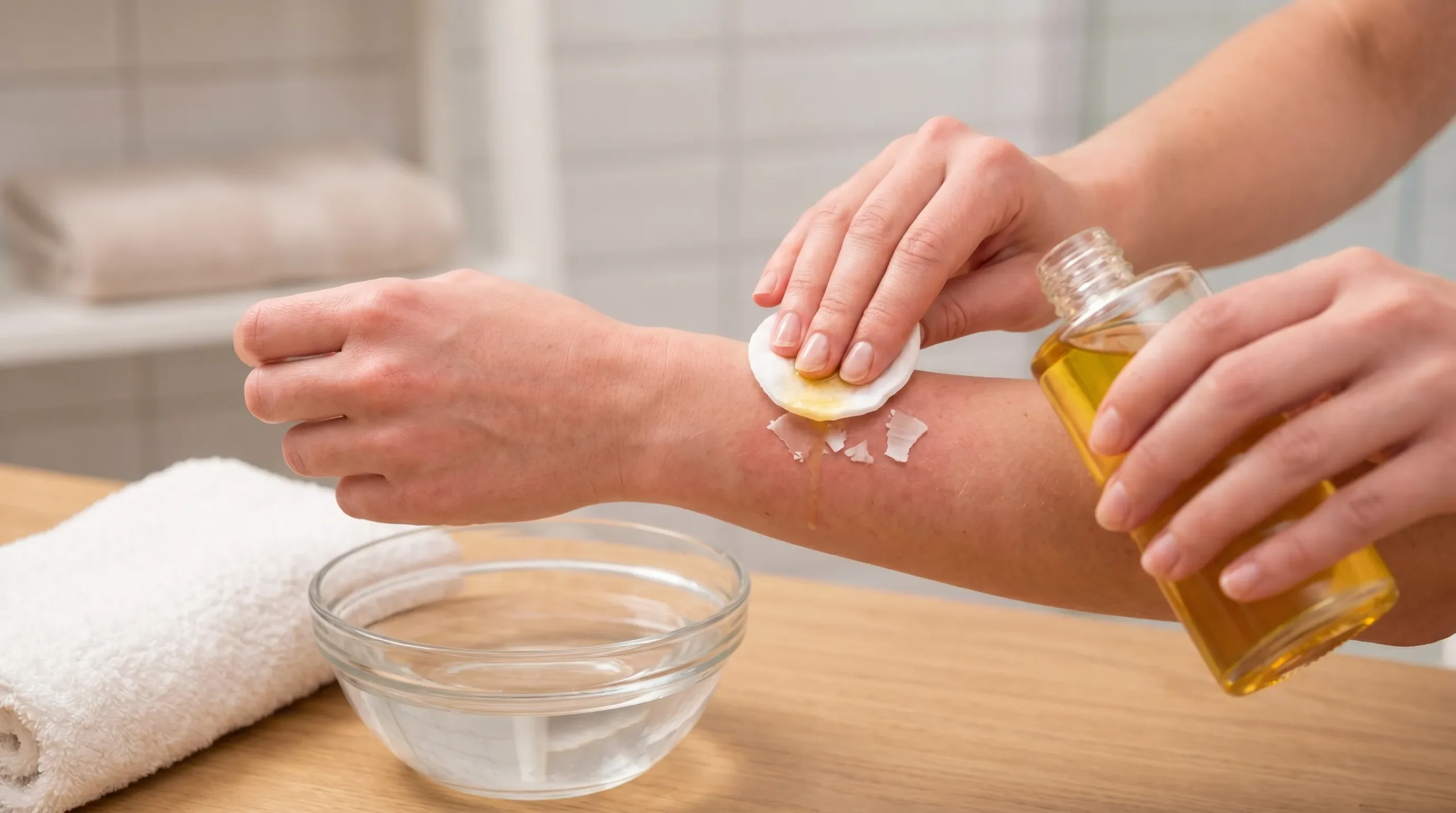
Without making the area more red, sticky, or irritated? In most cases, the safest answer is to match the removal method to the type of wax: oil works best for most hard wax, soft wax, and wax strip residue, while warm water usually works best for sugar wax because it is more water-soluble. The key is to be gentle. Scrubbing, picking, or peeling leftover wax can irritate the skin barrier and make redness worse.
This guide walks you through how to remove wax from skin safely, what to do for sticky residue, how to calm redness and irritation, and how to tell whether you are dealing with ordinary wax residue or a possible wax burn. It also covers hard wax, soft wax, sugar wax, wax strips, and sensitive areas like the face, underarms, and bikini line.
What Works Best?
If you want the fastest practical answer, use this simple rule:
| Type of wax | Best first step | Why it works |
|---|---|---|
| Hard wax | Baby oil, coconut oil, olive oil, or petroleum jelly | Oil helps loosen resin-based residue from the skin |
| Soft wax / wax strip residue | Oil on a cotton pad or soft cloth | Soft wax is usually sticky and lifts better with oil than with plain water |
| Sugar wax | Warm or lukewarm water | Sugar wax is usually water-soluble |
| If skin is sore or very red | Pause and check for a burn first | Burned skin should be treated differently |
This approach lines up with common after-wax guidance: use oil-based methods for most leftover wax, but rinse sugaring residue with water.
Why Wax Gets Stuck to Skin in the First Place?
If you keep ending up with wax residue on skin, the problem is not always the product. Often, it is the technique, temperature, or the condition of the skin.
Wax commonly sticks when you apply too much wax, let it cool too much before removing it, pull too slowly, or use the wrong wax for the area. A humid environment, very warm room, or skin that was not prepped properly can also make removal messier. Competitor content repeatedly focuses on wax consistency, temperature control, and proper removal technique for exactly this reason. Searchers are not only asking how to get wax off skin, but also why wax sticks to skin and how to stop wax from sticking next time.
Another common issue is misunderstanding the wax type. Sugar wax residue behaves very differently from hard wax residue. If you try to wash off hard or soft wax with water alone, it often smears. If you try to dissolve sugar wax with oils first, you may make cleanup harder than necessary. Getting the wax type right is the first step toward skin-safe wax removal.
How to Remove Wax From Skin Safely?: Step by Step
The best universal method for how to remove wax residue from skin is slow, simple, and gentle.
Start by checking whether the residue is sugar wax, soft wax, hard wax, or wax strip residue. If it is sugar wax, try warm water first. If it is another kind of wax, apply a small amount of baby oil, coconut oil, olive oil, almond oil, or petroleum jelly to the sticky area. Let it sit for a short time so the residue can soften. Then use a cotton pad, washcloth, or soft towel to wipe the wax away. After that, rinse gently if needed and apply a fragrance-free moisturizer to calm the skin.
If the wax still will not budge, resist the urge to scrub. That is where people often create more trouble. A second gentle pass with oil is safer than aggressive rubbing. This is especially important on the face, underarms, and bikini line, where the skin is more reactive and friction can lead to more redness, microtears, or bumps. Cleveland Clinic notes that bumps and redness right after waxing are common and usually temporary, which is one more reason not to overwork the area during cleanup.
A simple “best way to remove sticky wax from skin” sequence looks like this:
- Identify the wax type.
- Use warm water for sugar wax, or oil/petroleum jelly for most other waxes.
- Press and wipe gently with a soft cloth or cotton pad.
- Avoid picking, scraping, or peeling.
- Moisturize afterward with a gentle, fragrance-free product.
Best Removal Method by Wax Type
How to remove wax strip residue from skin?
If you used wax strips and have sticky patches left behind, the easiest fix is usually oil. Put a small amount of baby oil, coconut oil, or olive oil on a cotton pad or soft cloth, press it onto the residue, and wipe gently. This works because strip residue is usually not very thick, but it clings tightly to the skin. Water alone often does not break it down well.
How to remove soft wax residue from skin?
Soft wax behaves similarly to strip wax. If you are wondering how to remove soft wax from skin, think oil first. A soft oil-based cleanup is usually more effective than repeated washing. After the wax lifts, rinse lightly if needed and apply a moisturizer to protect the skin barrier.
How to remove leftover hard wax from skin?
People often panic when hard wax is stuck to skin, but the safest route is still patience. Apply petroleum jelly or a natural oil, let it sit, and then ease the wax away with a soft cloth. If the area is especially tender, stop and ask whether you might be dealing with a burn instead of simple residue. That matters because stuck material on burned skin should not be pulled off aggressively. NHS 111 Wales advises cooling burns with cool or lukewarm running water for at least 20 minutes and not removing anything stuck to burnt skin.
How to remove sugar wax from skin with water?
This is the exception many people miss. Sugar wax is usually much easier to remove with warm or lukewarm water because it is water-soluble. If you are asking, does sugar wax wash off with water? the answer is usually yes. A warm, damp washcloth often does the trick. Sugaring guidance also notes that residual sugaring mixture is typically rinsed away with water, unlike many traditional waxes that need oils or post-wax products.
What Dissolves Wax on Skin? Oils, Petroleum Jelly, and Warm Water Compared
A lot of users search for what dissolves wax on skin or the best oil to remove wax from skin. The truth is there is not one perfect answer for every situation, but there are a few reliable options.
Baby oil is one of the easiest choices because it spreads well and loosens sticky residue quickly. Coconut oil is popular because it also leaves skin feeling moisturized. Olive oil is useful when you need a quick household option. Almond oil can also work well for some people. Petroleum jelly is especially helpful when the wax is stubborn and needs more time to soften. Warm water, by contrast, is best for sugar wax and less effective on most traditional resin-based waxes.
Here is a simple comparison:
| Removal option | Best for | Texture / benefit | Possible downside |
|---|---|---|---|
| Baby oil | Soft wax, strip residue, hard wax residue | Spreads easily and works fast | Can feel greasy |
| Coconut oil | General wax cleanup | Moisturizing and gentle | May be too heavy for some skin |
| Olive oil | Emergency at-home cleanup | Easy to find | Heavier feel, strong scent |
| Petroleum jelly | Stubborn wax spots | Good at softening residue | Needs a little more time |
| Warm water | Sugar wax | Simple and non-greasy | Not enough for most resin-based wax |
This comparison section also helps you rank for useful gap keywords like baby oil vs coconut oil for wax removal and why water does not remove all wax types.
What Not to Do When Wax Won’t Come Off?
When people search what not to do when wax won’t come off skin, they are usually already frustrated. That is exactly when bad cleanup habits happen.
Do not pick at the wax with your nails. Do not scrub the area hard with a rough cloth. Do not keep applying more friction because the residue “almost” seems to be lifting. And do not assume that very hot water, harsh soap, or rubbing alcohol will fix the problem faster. Those choices are more likely to make the skin feel raw and irritated. Competitor pages often mention being gentle, but most do not fully explain the damage that comes from overdoing cleanup.
This matters because after hair removal, the skin is already stressed. Cleveland Clinic notes that redness, bumps, and itchiness can happen right after waxing, and scratching or over-irritating the area can make things worse. If you are trying to remove wax from skin without scrubbing, gentleness is not optional; it is the whole strategy.
Wax Residue or a Burn? How to Tell the Difference?
This is one of the most useful angles competitors do not fully cover. Sometimes you are not just dealing with leftover wax. You may be dealing with a wax burn.
Wax residue usually feels sticky, looks patchy, and sits on top of the skin. It may be annoying, but it should not feel intensely painful once the waxing pull is over. A burn, on the other hand, may cause ongoing pain, sharper tenderness, stronger redness, swelling, or even blistering. If you suspect a burn, stop trying to rub the wax off. Shift to first aid for hot wax on skin instead. NHS 111 Wales advises cooling the burn under cool or lukewarm running water and not trying to remove anything stuck to the burned area. Healthline’s waxing-burn guidance also recommends cool water for 20 minutes and avoiding direct ice on the skin.
A good rule is this: if the area is mainly sticky, think residue. If the area is mainly painful, hot, swollen, or blistered, think burn.
When to see a doctor after a waxing burn
Seek medical care if you have large blisters, worsening pain, signs of infection, or a burn on a very sensitive area that does not improve. High-stakes burn situations should not be self-managed too aggressively.
How to Calm Skin After Removing Wax?
Once the residue is gone, the next job is aftercare. This is where many people undo their good cleanup work.
Use a cool compress if the area feels hot or irritated. Follow with a fragrance-free moisturizer or soothing product. Cleveland Clinic notes that some redness and itchiness can be normal after waxing, while Cleveland Clinic’s general aftercare guidance for hair-removal irritation also supports cooling and calming the skin. Fragrance-free moisturizers are also recommended after hair-removal products because they are less likely to further irritate freshly treated skin.
Helpful soothing ingredients include aloe, panthenol, allantoin, and bisabolol. You should also avoid friction, tight clothing on the area, and harsh fragranced products for a bit. If you are dealing with the underarms or bikini line, keeping the area cool and dry can make a big difference in comfort.
Common Problems After Wax Removal: Redness, Bumps, Rash, and Ingrown Hairs
A lot of users are not just asking how to get leftover wax off skin after waxing. They are really asking, “Now that I got it off, why does my skin still look angry?”
Redness and bumps
Mild redness and small bumps right after waxing are common and usually temporary. Cleveland Clinic notes this clearly. The best response is usually simple aftercare: cool compress, gentle moisturizer, and no scratching.
Itchiness or rash
Some itchiness can happen as the skin settles. Try not to scratch. If you notice a spreading rash or signs of an allergic reaction after waxing, that is different from normal temporary irritation and may need medical advice.
Ingrown hairs
Ingrown hairs can show up after waxing, plucking, or shaving. Cleveland Clinic notes friction can contribute, so looser clothing and gentler aftercare can help reduce the chance of trouble, especially on the underarms and bikini line.
Post-inflammatory dark marks
On some skin tones, irritation can leave lingering discoloration. That is one reason to avoid over-scrubbing or over-exfoliating fresh waxed skin.
Area-Specific Advice: Face, Underarms, Bikini Line, and Eyebrows
Different body areas need different levels of caution.
Face and eyebrows
If you need to remove wax from face without irritation or remove wax from eyebrows safely, use the gentlest option possible. A small amount of oil on a cotton pad is better than aggressive rubbing. Facial skin can stay red longer if you overwork it.
Underarms
To remove wax from underarms safely, use oil, wipe gently, and avoid heavy friction afterward. Since underarms deal with sweat, deodorant, and rubbing, they can become irritated fast. If you frequently get ingrown hairs there, minimizing friction can help.
Bikini line
If you need to remove wax from bikini line safely, patience matters. The area is sensitive, and post-wax redness or bumps can be more noticeable. Cleveland Clinic notes that bumps and redness after waxing are common and usually temporary, but prep and aftercare still matter.
How to Prevent Wax From Sticking Next Time?
Prevention is a major search angle, and it deserves its own section. If you want fewer sticky situations next time, focus on prep, temperature, and technique.
Make sure the skin is clean and dry before waxing. Use the right wax for the area and hair type. Pay attention to wax consistency; wax that is too cool or too thick can be harder to remove cleanly. If you are waxing at home, test temperature carefully. Pull in a smooth motion, and do not overwork the same patch. Competitor pages repeatedly tie sticky residue to poor technique, and that makes this a high-value section for how to stop wax from sticking to skin next time and proper waxing technique.
A smart prevention checklist includes keeping layers even, not rushing, and not repeating too many passes. Some competitor content mentions 1 to 2 passes per area and testing on the inner wrist as practical technique markers. Those are useful operational reminders even if your article presents them in simpler language.
Final Takeaway
The safest answer to how do I remove wax from skin is simple: figure out the wax type, use the right remover, and be gentle. For most hard wax, soft wax, and wax strip residue, use oil or petroleum jelly. For sugar wax, use warm water. Do not scrub, peel, or pick. After cleanup, protect the skin with a fragrance-free moisturizer and a little patience. And if the area looks more like a burn than a sticky patch, stop trying to rub it off and switch to proper burn care.
FAQs
What is the fastest way to remove wax from skin at home?
For most waxes, use baby oil, coconut oil, or petroleum jelly, let it soften the residue, then wipe gently. For sugar wax, use warm water.
Can I use baby oil to remove wax?
Yes. It is one of the most common and practical options for soft wax, hard wax residue, and wax strip residue.
Can I use soap to remove wax residue?
Soap alone is often not enough for traditional wax and may dry out already irritated skin. It is not the best first move.
Can I use rubbing alcohol to remove wax from skin?
It is not a good idea for freshly waxed, irritated skin. It can sting and worsen dryness.
Can I shower after waxing?
You can, but keep it gentle. Avoid very hot water right away if the skin feels irritated.
Can I exercise after waxing?
Intense sweating and friction right after waxing may aggravate the area, especially the underarms or bikini line.
Can I exfoliate after waxing?
Not immediately if the skin is irritated. Give the area time to calm first.
Can I moisturize right after waxing?
Yes, a fragrance-free moisturizer is usually helpful. Cleveland Clinic and other aftercare guidance support gentle soothing care after hair removal irritation.
Can wax residue clog pores?
It can feel occlusive and uncomfortable, especially on oily or sensitive areas, so it is best to remove it gently and completely.