
 By Admin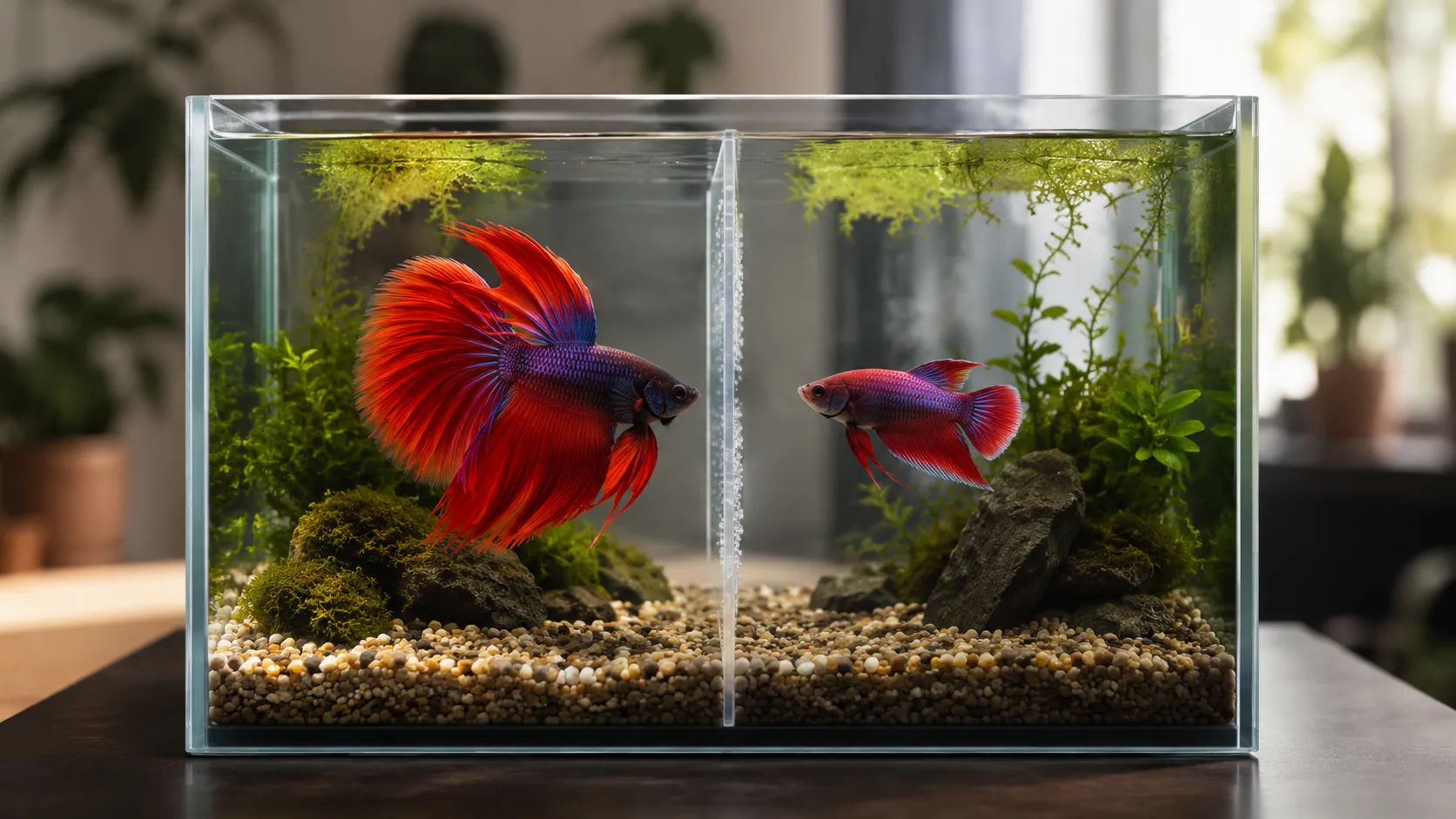
Introduction: Can a Female and Male Betta Fish Live Together?
Can a female and male betta fish live together is one of the most common questions new betta owners ask, especially when they want to keep a beautiful betta fish pair in the same tank. The short answer is: usually no, male and female bettas should not live together as permanent tank mates.
Although a male and female betta may sometimes be placed together briefly for controlled breeding, this is very different from keeping them together every day. Breeding requires experience, a proper setup, close supervision, and a safe way to separate the fish quickly. Without that preparation, the situation can become stressful or dangerous for one or both bettas.
The confusion is understandable. Pet stores may display bettas close to each other, online advice can be mixed, and many beginners assume that a male and female fish will behave like a peaceful pair. But betta compatibility is not that simple. Bettas are territorial fish, and betta fish aggression can happen even between males and females.
This guide explains whether male and female betta fish together is ever safe, when temporary pairing may be used for breeding, what risks to watch for, how tank setup affects behavior, and what safer alternatives are better for betta care for beginners.
Male and Female Bettas Should Not Live Together Permanently
The short answer is that male and female bettas should not live together permanently in the same tank. While it may seem natural to keep a male betta with a female betta, they are not like many peaceful community fish that enjoy living as a pair. Bettas are territorial, and their behavior can change quickly depending on space, stress, breeding instinct, and individual temperament.
A male betta may chase the female, nip at her fins, block her from hiding places, or keep her under constant pressure. In some cases, this can lead to torn fins, stress, injury, or even death. This is why the answer to can male and female bettas live together is usually no for everyday housing.
Female bettas can also be aggressive. Even though females are often seen as calmer than males, they may become defensive if they feel trapped, especially in a small tank, a bare aquarium, or a setup without enough plants and hiding spaces. A female may nip back, flare, chase, or fight if she feels threatened.
One of the biggest mistakes beginners make is assuming that a quiet first day means the fish are compatible. Not fighting today does not mean the setup is safe long-term. Bettas may seem calm at first because they are still adjusting, but tension can build over time. A peaceful-looking tank can quickly turn into a stressful one if one fish starts guarding territory, chasing, or showing breeding behavior.
For that reason, trusted betta care advice usually recommends keeping a male and female together only for short, supervised breeding situations, not as permanent tank mates. If you are not intentionally breeding bettas and do not have experience, a backup tank, and a separation plan, it is much safer to keep them apart.
In simple terms, keeping a betta fish same tank pair is risky because betta fish fighting is not always loud or obvious at first. Watch for early betta stress signs such as hiding, clamped fins, faded color, torn fins, refusing food, or one fish constantly chasing the other. For most new owners, the safest and kindest choice is one betta per tank.
Why Male and Female Betta Fish Often Fight or Stress Each Other
Male and female betta fish often fight or stress each other because bettas are naturally territorial fish. This is especially true for males. Bettas are also known as Siamese fighting fish, and while that does not mean every betta will attack immediately, it does explain why they need careful housing and plenty of personal space.
A male betta may see a female in several ways. He may see her as a possible breeding partner, but he may also see her as a rival or an intruder in his territory. This can lead to common betta fish behavior such as flaring, chasing, nipping, biting, and guarding certain areas of the tank. If the female cannot get away, the situation can become stressful very quickly.
Females are usually less aggressive than males, but they are not always peaceful. Some female bettas are bold, defensive, or territorial, especially if they are placed in a small tank or a tank without enough plants, caves, and hiding areas. Female betta stress can also show up when she is constantly watched, chased, or blocked from food and resting spots.
Stress is a serious issue in bettas. A stressed betta may hide more, lose color, clamp its fins, stop eating, or become more likely to develop health problems. Long-term stress can weaken the immune system and increase the risk of illness, fin damage, and infection. Even if the fish are not visibly fighting, one betta may still be living under constant pressure.
The difference between wild conditions and an aquarium is important. In nature, a betta that feels threatened may be able to swim away, hide in dense plants, or leave the other fish’s space. In a home aquarium, that escape route is limited. If the tank is small or open with no sight breaks, the weaker or more stressed fish may have nowhere safe to go.
This is why space, sight breaks, temperament, and timing all matter. A larger tank, live plants, floating cover, and hiding places can reduce tension, but they do not remove the risk completely. Some bettas simply will not tolerate another betta in their space. For new owners, understanding betta territorial behavior is the key to understanding why bettas fight and why male and female bettas are usually safer when kept apart.
When Can a Male and Female Betta Be Together? Only for Controlled Breeding
A male and female betta should only be placed together for a short, controlled breeding period, not as regular tank mates. This setup is very different from keeping a peaceful pair of fish in a community aquarium. With bettas, the goal is not companionship. The goal is a carefully managed breeding attempt where both fish can be separated quickly if stress or aggression appears.
Before breeding, both fish are usually conditioned with high-quality food and kept in healthy water conditions. The male is often placed in a prepared betta breeding tank, where he may begin building a betta bubble nest at the surface. This nest is a sign that the male may be ready to breed, but it still does not guarantee that the pair will accept each other safely.
The female is usually introduced only after she shows possible female betta breeding signs, such as a rounder belly, interest in the male, and vertical breeding bars. Even then, many experienced keepers use a clear divider, container, or careful visual introduction first. This lets the fish see each other without immediate physical contact.
According to common betta care guidance, the female may be placed with the male only long enough to release eggs, often around 12 to 24 hours, and then she should be removed. This is important because the male may become aggressive after spawning while he guards the nest. If the female stays too long, she may be chased, injured, or badly stressed.
After spawning, the male usually collects the eggs and places them into the bubble nest. He may guard the eggs and newly hatched fry for a short time, but he also must be removed once the fry become free-swimming. At that stage, even the male can become a danger to the young fish.
This is why breeding male and female betta fish is not recommended for casual beginners. It requires extra tanks, a backup separation plan, gentle filtration, stable water quality, proper fry food, and time to care for the babies. Betta fry care is much more demanding than simply feeding adult fish.
The most important point is this: supervised betta breeding is not the same as a community tank. A breeding setup is temporary, planned, and closely watched. A permanent male-female tank is risky and usually unsafe for long-term betta care.
What Happens If You Keep a Male and Female Betta Together Too Long?
If you keep a male and female betta together too long, the tank can quickly turn from calm to stressful. Even if both fish seem peaceful at first, bettas can become territorial once they settle in, feel trapped, or enter breeding behavior. This is why a quiet first day does not always mean the setup is safe.
One of the most common problems is constant chasing. The male may follow the female around the tank, block her from resting places, or push her away from food. Over time, this can create a stressed betta fish that hides constantly, loses interest in food, or spends too much time near the filter, corners, plants, or surface.
Physical injuries can also happen. Watch for betta fin nipping, torn fins, missing scales, red marks, or open wounds. These are serious betta injury signs because damaged fins and skin can increase the risk of infection, especially if water quality is poor. A small bite or tear may not look alarming at first, but it can lead to bigger betta fish health problems if the fish remains stressed.
The female often shows stress by hiding, refusing food, losing color, or holding her fins tightly against her body. Betta clamped fins are a common warning sign that something is wrong. She may also stay low in the tank, avoid open swimming areas, or freeze when the male comes near.
The male can suffer too. A male that is constantly chasing, flaring, and guarding space may become exhausted or overly aggressive. If breeding does not happen smoothly, a failed breeding attempt can turn into fighting. Instead of courtship, the tank may become a cycle of chasing, biting, hiding, and stress.
Long-term stress can weaken a betta’s immune system and make illness more likely. Problems such as fin rot, lethargy, faded color, poor appetite, and slow recovery from injuries are more common when fish are kept in unsafe conditions.
The important thing for new owners to understand is that injury can happen quickly. A male and female betta may seem fine in the morning and show torn fins or severe stress by evening. If you see chasing, hiding, clamped fins, wounds, or one fish refusing food, separate them immediately. For most home aquariums, keeping them apart is the safest way to prevent stress and injury.
Minimum Tank Setup If You Are Breeding Bettas Temporarily
If you are breeding bettas temporarily, the setup should be planned before the male and female ever share space. A betta breeding setup is not the same as placing two bettas into a normal display tank and hoping they get along. It should be a separate, controlled tank made for short-term breeding, close observation, and quick separation if either fish becomes stressed or aggressive.
Use a separate betta breeding tank, not the male’s permanent tank with other fish, snails, or random decorations. Breeding can trigger strong territorial behavior, so the tank should be calm, clean, and easy to monitor. A bare or simple bottom can also make it easier to see eggs, leftover food, and waste.
Water conditions are very important. Bettas are tropical fish, so they need warm, stable water. Aqueon recommends a general betta tank temperature of 76° to 85°F for overall health. Sudden temperature changes can stress the fish and make breeding less safe, so use a reliable heater and check the temperature regularly.
Filtration should be gentle. Strong filters can disturb the bubble nest, push the fish around, or pull eggs and tiny fry into the intake. A betta sponge filter is often a safer choice because it provides light filtration without creating a harsh current. Clean, stable betta water conditions are more important than strong water movement.
The tank should also include plenty of betta hiding places. Add floating plants, soft live or silk plants, caves, or other smooth shelters. Floating cover can help the male build and protect a bubble nest, while plants and visual breaks give the female places to rest if the male becomes too intense. Avoid sharp decorations because torn fins can easily become infected.
A controlled introduction is also part of betta breeding safety. Many experienced keepers use a clear divider, breeder box, or floating container so the male and female can see each other before full contact. This helps you watch their behavior before allowing them to interact directly.
Most importantly, keep a second tank or safe holding container ready before breeding begins. The female may need to be removed quickly after spawning or sooner if the male chases, bites, or stresses her. Never leave a male and female betta together unsupervised for long periods. Even with the right setup, breeding bettas requires close attention, patience, and a clear plan to protect both fish.
Signs You Should Separate Male and Female Bettas Immediately
Knowing when to separate bettas can prevent serious injury, stress, and illness. Male and female bettas should never be left together if one fish is clearly afraid, trapped, or being attacked. Even during a temporary breeding attempt, separation should happen as soon as the behavior becomes unsafe.
One of the clearest betta aggression signs is nonstop chasing. A short chase can sometimes happen during breeding behavior, but constant chasing is different. If one fish cannot rest, eat, or swim freely without being followed, the situation is no longer safe.
You should also separate them if the female is hiding all the time. A stressed female may stay in corners, behind the filter, under plants, near the heater, or close to the surface to avoid the male. Betta fish stress is not always dramatic. Sometimes the fish simply becomes quiet, pale, and withdrawn.
Physical damage is an emergency warning sign. Torn fins, missing scales, red marks, or visible wounds mean the fish should be separated right away. Do not assume a small injury will heal while the fish remain together. If biting continues, the damage can get worse quickly and may lead to infection.
A betta that stops eating is also showing that something is wrong. Stress can make a fish lose its appetite, especially if the other betta is guarding food or chasing it away. Clamped fins, pale color, heavy breathing, and weak swimming are also serious warning signs.
If the male attacks every time the female moves, the female may become exhausted or trapped. This is especially dangerous in a small tank or a tank without enough hiding places. Failed breeding attempts can turn into fighting, and betta fighting signs should never be ignored.
The safest rule is simple: do not wait for “serious” damage before acting. If you see chasing, hiding, fin damage, clamped fins, pale color, or one fish being cornered, make a betta emergency separation immediately. It is always better to separate too early than to risk an injured or severely stressed fish.
Can Female Bettas Live Together Instead?
Female bettas can sometimes live together in groups called a female betta sorority, but this does not mean they are always peaceful or easy to manage. A sorority is more advanced than many beginners expect, and it still carries a risk of chasing, stress, bullying, and injury.
Trusted betta care guidance often explains that females may sometimes be housed in groups, while males should usually be housed alone. However, a female betta group tank needs the right setup. It should be larger than a basic single-betta tank, heavily planted, and arranged with plenty of hiding places and visual barriers. This gives each fish space to move away, rest, and avoid constant eye contact with stronger or more dominant females.
One common mistake is keeping only two female bettas together. This can create a bullying problem because one female may become dominant and constantly target the other. In a proper betta sorority tank, keepers usually aim for a carefully planned group so aggression is spread out instead of focused on one weaker fish. Even then, it requires close monitoring.
Female bettas also have individual personalities. Some are calm, while others are bold, territorial, or aggressive. Female betta aggression may show as flaring, chasing, nipping, guarding food, or pushing weaker fish away from certain areas of the tank. A sorority often forms a hierarchy, and some chasing can happen as the fish establish dominance. The problem starts when one fish is constantly attacked, hiding, losing color, or unable to eat.
So, can female bettas live together? Sometimes, yes, but only with the right tank size, enough cover, careful fish selection, and a backup plan. For most new owners, a single female betta in her own heated, filtered tank is easier, safer, and less stressful than trying to manage a sorority. A peaceful solo setup is often the better choice for healthy beginner betta care.
Better Alternatives to Keeping a Male and Female Betta Together
If you want a peaceful tank, there are safer choices than keeping a male and female betta together. The easiest option is a single betta tank with one male betta living alone in a properly heated, filtered aquarium. Many male bettas are healthiest and calmest when they have their own space, clean water, gentle filtration, and places to rest.
A single female betta can also be a good choice, especially if you want a slightly calmer-looking setup. Female bettas can still be active, colorful, and full of personality, but they are often easier to keep alone than in a group. A solo female setup gives her space without the stress of competing with another betta.
Some owners also choose a betta community tank, but this should be done carefully. Whether a betta can live with other fish depends on tank size, water conditions, the betta’s personality, and the type of tank mates selected. Some bettas ignore peaceful fish, while others chase anything that moves. There is no perfect betta compatibility chart that works for every fish because temperament matters.
When choosing peaceful fish with betta, look for calm, non-aggressive species that do not nip fins and do not look like another betta. Bottom-dwelling tank mates may work better in suitable tanks because they usually stay out of the betta’s main swimming space. Some keepers consider options like small cory catfish, kuhli loaches, or certain snails, but only if the tank is large enough and the water conditions match.
Avoid long-finned, brightly colored, or flashy fish. These can trigger betta aggression because the betta may mistake them for rivals. Fin-nipping fish are also risky because they may damage the betta’s fins and cause stress.
If you want to keep more than one betta, the safest method is to use separate tanks. Place the tanks apart or use visual barriers so the bettas are not constantly flaring at each other. Even seeing another betta all day can be stressful for some fish.
The most important thing to remember is that some bettas simply prefer living alone, and that is completely normal. A good betta tank setup is not about adding more fish. It is about giving your betta warm water, clean conditions, safe hiding places, and a calm environment where it can thrive.
Common Myths About Male and Female Bettas Living Together
There are many betta fish myths that make new owners think a male and female betta can live together safely. Some of these ideas sound reasonable at first, but they can lead to serious beginner betta mistakes if the fish are placed together without understanding their behavior.
One common male female betta myth is that a pair will be happier together. In reality, bettas do not need a mate to feel healthy, secure, or active. A single betta can live a full and comfortable life in a clean, warm, well-designed tank. For many bettas, being alone is less stressful than sharing space with another betta.
Another myth is that if the fish are not fighting, they must be fine. This is not always true. Stress can be quiet. A female may hide, lose color, avoid food, or clamp her fins without obvious fighting. A male may also stay tense, flare often, or guard space constantly. These signs may not look dramatic, but they still show that the setup is not peaceful.
Some owners believe a large tank makes male and female bettas completely safe together. A larger tank can lower the risk because it gives the fish more room and more ways to avoid each other. However, it does not guarantee compatibility. If one betta is highly territorial, even a large tank may not prevent chasing, nipping, or stress.
Another piece of betta misinformation is that females are always peaceful. Female bettas are often less aggressive than males, but they can still be territorial. Some females chase, flare, nip, or guard food and hiding spots. Each betta has its own temperament, so gender alone does not guarantee calm behavior.
A dangerous myth is that male and female bettas should live together after breeding. In most cases, the female should be removed after spawning because the male may become aggressive while guarding the bubble nest. Later, the male also needs to be removed once the fry become free-swimming. Breeding is a temporary process, not a reason to keep the pair together long term.
Pet store advice can also be confusing. Some staff may be experienced, while others may give general advice that does not fit your tank or your fish. This is why owners should cross-check information with trusted care sources, experienced aquarists, and veterinarian-backed fish care guidance when possible.
The safest way to avoid betta care mistakes is to remember that bettas are individual fish with strong personalities. A calm-looking setup can still become stressful, so male and female bettas should not be kept together permanently just because a myth makes it sound easy.
Beginner-Friendly Decision Guide: Should You Try It?
If you are asking, should I keep bettas together, the safest beginner answer is usually no. Permanent male-female housing is not a good idea for new betta owners because the risk of stress, chasing, injury, and fighting is too high. A male and female betta may look beautiful together, but they are not a simple “pair” like some other aquarium fish.
You should not try keeping a male and female betta together in a small tank, bowl, vase, or uncycled aquarium. These setups do not give the fish enough space, stable water, or safe escape areas. Poor water quality can make stress worse and can turn minor fin damage into a serious health problem.
You should also avoid trying it without a backup tank. If the male starts chasing the female, or if either fish becomes pale, hides, stops eating, or shows torn fins, you need a safe place to move one fish immediately. Waiting too long can lead to injury.
Do not place a male and female together just because you want “a pair.” Bettas do not need another betta for companionship. In many cases, a safe betta setup means one betta in its own heated, filtered tank with clean water, plants, and resting spots.
Temporary pairing should only be considered if you are intentionally breeding bettas and understand the responsibility. Breeding is not just about putting two fish together. It requires planning, supervision, extra tanks, proper food for fry, and a clear separation plan. For most beginners, learning strong beginner betta care with one fish is the better first step.
Before attempting any temporary breeding setup, use this simple betta fish checklist:
| Question | Why It Matters |
| Is the tank cycled? | Stable water protects fish from ammonia and nitrite stress. |
| Is there a heater? | Bettas need warm, steady water to stay healthy. |
| Are there hiding places? | Plants and shelters help reduce stress and chasing. |
| Is there a divider? | A divider allows safer introduction before direct contact. |
| Is a second tank ready? | One fish may need to be removed immediately. |
| Can you supervise closely? | Aggression can happen quickly. |
| Do you have a fry care plan? | Baby bettas need special food, clean water, and later separation. |
If you cannot answer yes to every point on this betta breeding checklist, do not place the male and female together. Keeping them separate is not a failure. It is often the most responsible choice for their health, safety, and long-term care.
Conclusion: Can a Female and Male Betta Fish Live Together Safely?
So, can a female and male betta fish live together permanently? For most owners, the answer is no. Male and female bettas are not ideal long-term tank mates because their territorial behavior can lead to chasing, stress, fin damage, and fighting.
The only time a male and female betta should usually be together is during a short, controlled breeding setup. Even then, the tank must be prepared carefully, the fish must be watched closely, and the female should be removed at the first sign of trouble or once spawning is complete. Breeding is temporary, not a reason to keep a pair together every day.
For new owners, the safest choice is usually one betta per tank. A single male or female betta can live a healthy, active life in a safe betta tank with warm water, gentle filtration, clean conditions, and enough resting places. This is often the best betta fish care advice for anyone learning the basics.
If you do attempt breeding, prepare before the fish meet. Have a divider, hiding places, stable water, and a second tank ready. Watch for stress, torn fins, hiding, clamped fins, or nonstop chasing, and separate the fish immediately if anything looks wrong.
A peaceful betta setup is not about forcing companionship. It is about giving each fish enough safety, space, warmth, and clean water to thrive. For most beginners, the best betta owner tip is simple: keep bettas apart unless you have a clear, supervised breeding plan.
FAQs About Can a Female and Male Betta Fish Live Together
Can a male and female betta live in the same tank?
Usually, no, a male and female betta should not live in the same tank permanently. They may look like a natural pair, but bettas are territorial fish, and the male may chase, nip, or stress the female over time.
A male and female betta may sometimes be placed together briefly for supervised breeding, but this should only happen in a controlled setup with a backup tank ready. For everyday betta pair care, keeping them separate is the safer choice.
Will a male betta kill a female betta?
Yes, it can happen. A male betta may seriously injure or kill a female betta if he becomes too aggressive, especially in a small tank or a setup without enough hiding places.
Even if death does not occur, the female may suffer from constant chasing, torn fins, stress, missing scales, or poor appetite. These problems can lead to illness if the fish are not separated quickly.
Can male and female bettas live together in a 10-gallon tank?
A 10-gallon tank is still not a safe permanent setup for a male and female betta pair. While more space can help reduce tension, it does not remove the risk of aggression.
Male female betta tank size matters, but temperament matters too. Some bettas will still chase, flare, nip, or guard territory even in a larger tank. A 10-gallon tank is usually better used for one betta with a safe setup or carefully chosen non-betta tank mates.
Can male and female bettas live together if the tank is heavily planted?
A heavily planted tank can reduce stress by giving the fish more hiding places and sight breaks. Plants, caves, floating cover, and decorations can help one fish move away from the other.
However, plants do not guarantee safety. A male may still chase the female, and the female may still become stressed or defensive. If you ever place them together for breeding, you still need close supervision and a backup separation plan.
Do betta fish need a partner?
No, betta fish do not need a partner to be healthy or happy. Bettas are not schooling fish, and they can live very well alone when their tank is clean, warm, filtered, and enriched with plants or resting spots.
For many owners asking do bettas need friends, the best answer is simple: a properly maintained solo tank is often the safest and most peaceful setup.
How long can a male and female betta stay together for breeding?
A male and female betta should usually stay together only until spawning is complete. Some care guidance describes short betta breeding time windows, such as around 12 to 24 hours, but the exact timing depends on the behavior of the fish.
If the male becomes too aggressive, the female hides constantly, or either fish shows stress or injury, they should be separated immediately. Breeding should always be supervised, and the female should not be left with the male as a permanent tank mate.
Disclaimer
This article is for general informational purposes only and is not a substitute for professional aquarium, veterinary, or aquatic health advice. Betta fish behavior, health, and compatibility can vary based on temperament, tank setup, water quality, and individual circumstances. For serious health concerns or breeding questions, consult an experienced aquarist or aquatic veterinarian.