
 By Admin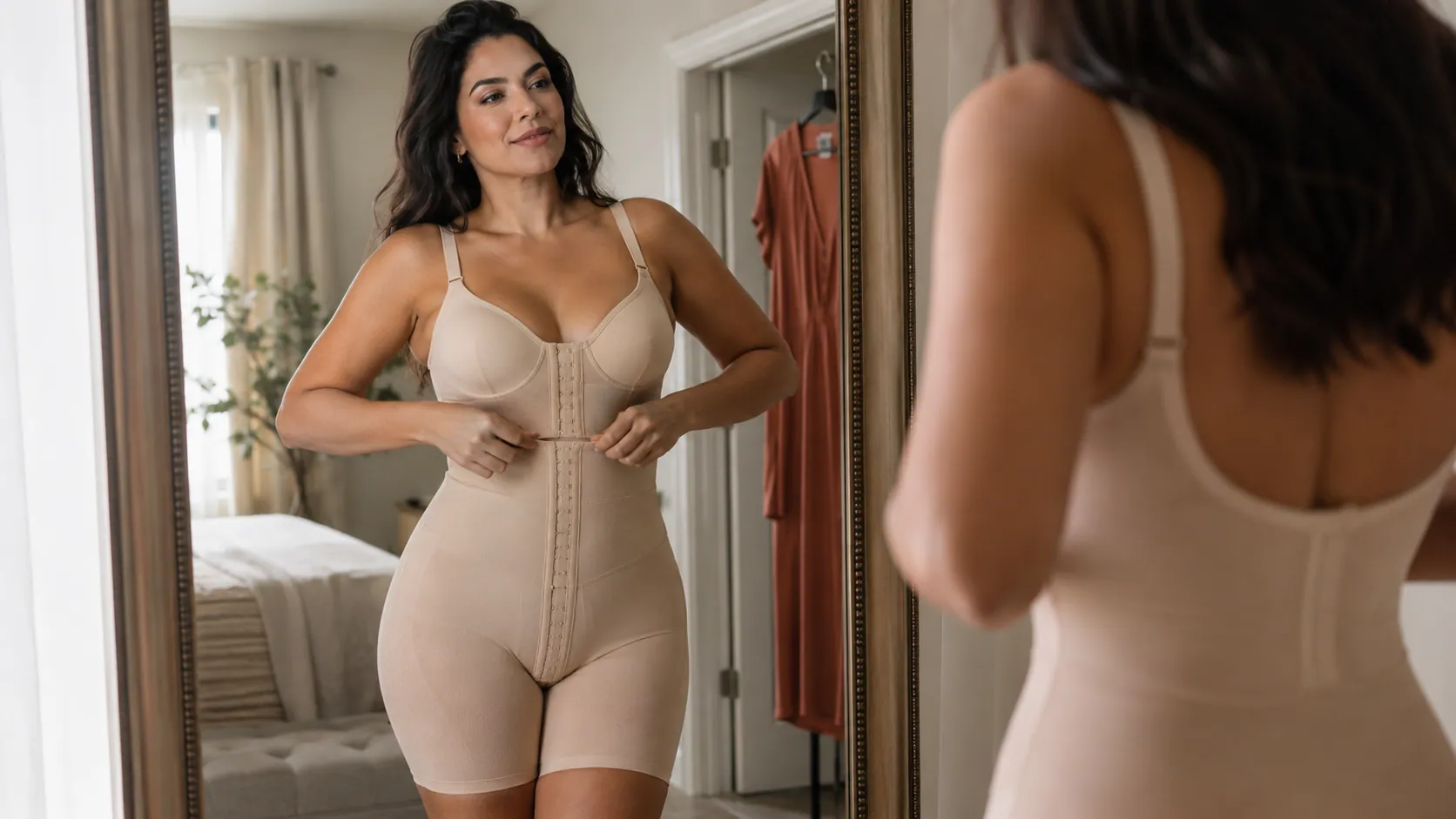
Yes, a faja can help your body look smoother, more supported, and more contoured while you are wearing it. It works like a compression garment, gently pressing and holding certain areas such as the waist, stomach, hips, back, or thighs to create a cleaner shape under clothing.
However, it is important to understand what a faja can and cannot do. A faja may give you temporary faja results, such as a slimmer-looking waist, better posture support, and a smoother silhouette. But it does not permanently change your bone structure, burn body fat, remove loose skin, or replace cosmetic surgery. Once you take it off, your body usually returns to its natural shape.
That does not mean a faja is useless. For many people, it can be a helpful part of body shaping without surgery, especially for everyday outfits, special events, postpartum support, or extra confidence after weight changes. The key is to use it with realistic expectations and choose a safe, comfortable fit.
In this guide, we’ll look at how fajas actually work, what kind of shapewear results you can expect, whether they help after pregnancy, common waist-shaping myths, safety concerns, sizing tips, and expert-backed advice for using a faja in a healthy way.
What a Faja Actually Does to Your Body?
A faja works through compression, not fat loss. It gently presses and holds the body in place, which can make areas like the waist, belly, hips, thighs, and back look smoother under clothing. This is why many people wear a faja under dresses, fitted outfits, jeans, or work clothes when they want a cleaner, more supported shape.
The main effect comes from faja compression. The fabric helps flatten soft areas, reduce visible lines, and create a more even silhouette. For example, if your stomach feels bloated or your clothes are showing bumps around the waist, a faja may help create a smoother silhouette while you are wearing it.
A faja may also help with posture. Because it supports the midsection and back, it can remind you to stand straighter and avoid slouching. This does not mean it fixes posture permanently, but some people feel more supported and aware of their body position when wearing one.
The most important thing to understand is the difference between looking shaped and being permanently reshaped. A faja can create temporary body shaping by compressing soft tissue and improving how clothes sit on the body. However, it does not melt fat, rebuild muscle, tighten loose skin, or change your natural body structure.
Once the faja is removed, most visible shaping effects usually go away. Your body may look smoother while the body contouring garment is on, but the result is mainly temporary. That is why a faja should be seen as a support and styling tool, not a permanent body-changing solution.
Can a Faja Permanently Shape Your Body Without Surgery?
A faja can create an instant hourglass effect, especially around the waist, stomach, hips, and back. When it fits correctly, it can smooth the midsection, hold soft tissue in place, and make clothing look more fitted. This is why many people like wearing a faja without surgery for special events, everyday confidence, or postpartum support.
However, the honest answer is that a faja does not permanently shape your body by itself. It cannot remove fat cells, tighten separated abdominal muscles, erase stretch marks, lift loose skin, or change your natural bone structure. If you are wondering, does a faja permanently shape your body, the realistic answer is no — not in the same way that fat loss, muscle building, medical treatment, or cosmetic surgery can change the body.
Most faja body transformation results are temporary because they come from compression. While the garment is on, your waist may look smaller and your body may appear more contoured. Once you take it off, your body usually returns to its natural shape. This does not mean the faja is not useful, but it does mean its role should be understood clearly.
Long-term visible changes usually come from other factors, such as healthy fat loss, strength training, better posture, reduced bloating, postpartum healing, improved core strength, or surgical procedures. A faja may support your body during these changes, but it is not the main reason the body changes.
Some people feel their waist looks better after wearing a faja consistently, but that can be due to posture awareness, lifestyle changes, temporary waist compression, or less bloating. It is easy to confuse these changes with permanent reshaping. This is where many faja myths begin, especially around “waist training” claims.
So, can fajas reshape your waist permanently? A faja may help your waist look more defined while worn, but it should not be seen as a guaranteed method for non surgical waist shaping. The safest way to think about it is simple: a faja can shape your appearance temporarily, but lasting body changes require healthy habits, time, and sometimes professional guidance.
Temporary Results vs. Real Body Changes
When people search for faja before and after results, it is easy to expect dramatic changes. Some photos may show a smaller-looking waist, a flatter stomach, or a smoother shape. But many of those results come from temporary faja results, not permanent body changes.
A faja can improve how your body looks while you are wearing it, but it does not work the same way as fat loss, muscle building, skin tightening, or cosmetic surgery.
| What a Faja May Do | What a Faja Cannot Do |
| Smooth belly bulges | Burn belly fat |
| Create a slimmer look under clothes | Permanently shrink the waist |
| Support the abdomen and lower back | Repair diastasis recti |
| Help clothing fit better | Replace tummy tuck or liposuction |
| Improve posture awareness | Tighten loose skin permanently |
This difference matters because realistic shapewear results can still be helpful. A faja may make you feel more comfortable in a fitted dress, help jeans sit more smoothly, or give light support during postpartum recovery. For special events, photos, work outfits, or everyday confidence, these temporary effects can be valuable.
The problem starts when temporary shaping is marketed as permanent body shaping. A faja may give visible faja waist results while it is on, but it cannot create the same outcome as a tummy tuck, liposuction, strength training, or long-term weight management. That is why comparing faja vs surgery should be done honestly: a faja can shape your appearance for a period of time, while surgery changes tissue more directly and comes with medical risks, costs, and recovery.
Keeping realistic expectations helps protect readers from misleading claims. A faja can be a useful support and styling tool, but it should not be treated as a magic solution for permanent body transformation.
Why People Wear Fajas Without Surgery?
Many people are interested in wearing a faja without surgery because they want support, smoothing, or a more defined shape without a medical procedure. A faja is often used as an everyday body contouring garment, not only as a post-surgery garment. When chosen carefully, it can help clothes fit better and make the body feel more supported.
One of the most common reasons for everyday faja use is smoothing under clothing. A faja can help reduce visible lines under dresses, jeans, skirts, workwear, or formal outfits. For someone wearing a fitted dress or high-waisted pants, a faja may help the belly, waist, hips, or back look smoother and more balanced.
Some people also use a postpartum faja for abdominal and lower back support after pregnancy. After childbirth, the core area can feel weak, stretched, or unsupported. A gentle compression garment may help some new mothers feel more secure while walking, standing, or caring for their baby. However, postpartum use should be comfortable and should not replace medical advice, especially after a C-section or difficult delivery.
A faja can also be helpful after weight fluctuation. If someone has gained weight, lost weight, or is adjusting to body changes, a faja may offer extra confidence while they find clothing that fits comfortably. It can make outfits feel more structured without requiring permanent body changes.
Some people wear a faja for belly control during mild bloating or water retention. In these cases, the faja does not treat the cause of bloating, but it may help clothing feel smoother for a short time. The fit should still allow normal breathing, sitting, and movement.
Another reason people wear a faja under clothes is posture awareness. Because the garment supports the midsection and back, it can remind the wearer to stand taller and avoid slouching. This does not permanently correct posture, but it may provide a helpful physical reminder during daily activities.
There are also cultural and fashion reasons. Colombian-style fajas are popular in many communities because they are known for firm compression, shaping panels, and a curvier silhouette. For some people, wearing a faja is part of their beauty routine, fashion style, or personal comfort habit.
Overall, a faja for confidence can be useful when it is worn safely and realistically. It should help you feel supported, not restricted or uncomfortable. The best reason to wear one is not to force your body into a different shape, but to feel smoother, more comfortable, and more confident in the body you already have.
Can a Faja Help After Pregnancy or Childbirth?
A postpartum faja or belly wrap may help some new mothers feel more supported after pregnancy, but it should be used with realistic expectations. After childbirth, the stomach, back, hips, and pelvic area may feel different for a while. The body has gone through major changes, and gentle support can sometimes make daily movement feel easier.
A faja after pregnancy works by giving light to firm compression around the midsection. This may help support the abdomen, lower back, and posture while the body is healing. Some new mothers feel more comfortable wearing a postpartum compression garment when walking, standing, nursing, or doing light daily tasks. It may also help clothing feel more secure during a time when the body is still changing.
For some people, a belly wrap after birth can provide a sense of stability around the core. This can be especially helpful when the abdominal muscles feel weak or stretched. However, postpartum support is not the same as “snapping back.” A faja does not force the body to return to its pre-pregnancy shape, and it should never be used as a pressure tool to rush recovery.
A faja after C-section needs extra care. Gentle compression may feel supportive for some mothers, but the incision area must be protected. A garment that is too tight, rough, or poorly placed can irritate the skin or put pressure where the body is still healing. If there is pain, swelling, redness, drainage, or unusual discomfort near the incision, the faja should not be worn until a healthcare professional gives guidance.
Postpartum recovery is different for every person. It can depend on the type of delivery, healing speed, abdominal separation, pelvic floor condition, breastfeeding posture, sleep, activity level, and medical history. Someone who had a vaginal birth may need different support than someone recovering from a C-section. A mother with diastasis recti, pelvic pressure, or back pain may also need more specific help than a standard faja can provide.
This is why firm postpartum compression should be discussed with an OB-GYN, midwife, or pelvic floor physical therapist, especially in the first weeks after birth. These professionals can help decide whether a faja is safe, when to start wearing it, how tight it should be, and whether gentle core rehab or pelvic floor therapy would be more helpful.
In simple terms, a postpartum faja can be useful for new mom body support, but it is not a guaranteed body-shaping solution. The goal should be comfort, stability, and safe healing — not forcing the waist smaller before the body is ready.
Faja vs Waist Trainer vs Postpartum Belly Wrap: What’s the Difference?
When comparing faja vs waist trainer or faja vs belly wrap, it helps to understand that these garments are not all designed for the same purpose. They may look similar, but the fit, compression level, and intended use can be very different.
A faja is a full or partial compression garment used to shape, smooth, and support the body. Some fajas focus only on the waist and stomach, while others cover the hips, thighs, back, or full torso. People may wear them for everyday shaping, postpartum support, or after cosmetic procedures when recommended by a medical professional.
A waist trainer is usually firmer and more corset-like. It focuses mainly on waist compression and may include hooks, boning, or stiff panels. Some people use it to create a more dramatic hourglass look under clothing. However, when it comes to waist trainer safety, stronger compression is not always safer or more effective. If it restricts breathing, causes pain, or makes it hard to move normally, it is too tight.
A postpartum belly wrap is usually designed for gentler abdominal support after birth. It often wraps around the stomach and lower back to help the body feel more stable during recovery. When comparing postpartum wrap vs faja, a belly wrap may be easier to adjust and may feel softer for new mothers, especially in the early weeks after childbirth.
A medical compression garment is different because it is often recommended after surgery, childbirth, or certain medical situations. These garments may help with support, swelling management, and comfort during recovery. They should be worn according to professional guidance, especially after a C-section, tummy tuck, liposuction, or other procedure.
The most important thing to remember is that stronger is not always better. A garment that feels extremely tight may create a smaller-looking waist for a short time, but it can also cause discomfort, skin irritation, breathing restriction, or pressure in the wrong areas. Good compression should feel supportive, not painful.
For new parents, postpartum-specific support is usually a safer choice than extreme waist compression. The best faja for postpartum is not always the firmest one. It is the one that supports the abdomen and back gently, protects healing tissue, allows easy movement, and does not put pressure on sensitive areas.
How Long Do Faja Results Last?
If you are wondering how long do faja results last, the honest answer is that the visible slimming effect usually lasts only while you are wearing the faja. The garment compresses and smooths the body, which can make the waist, belly, hips, or back look more defined under clothing. But this effect is mostly temporary.
Once you remove the faja, your body gradually returns to its normal shape. This is because faja results without surgery come from compression, not from permanent fat loss, muscle repair, or skin tightening. A faja can make your waist look smaller for an outfit or event, but it does not permanently shrink the waist on its own.
Some people may notice better posture habits with consistent use. Because a faja supports the midsection and back, it can remind you to stand taller, sit straighter, and avoid slouching. These posture changes may improve how your body looks, but they are different from permanent reshaping.
Reduced bloating or water retention can also make the waist look temporarily smaller. For example, if your stomach feels puffy, a faja may help clothing look smoother for the day. However, this should not be confused with fat loss. Losing water or reducing bloating is not the same as changing body composition.
A realistic faja body shaping timeline depends on what you expect. If your goal is smoother clothing fit, the result can happen immediately. If your goal is long-term body change, a faja alone is not enough. Lasting results usually come from nutrition, exercise, recovery, sleep, posture work, postpartum healing, and medical guidance when needed.
So, when thinking about how long to wear a faja, remember that more hours do not always mean better results. The best approach is to wear it safely, choose the right fit, and understand that faja waist results are usually temporary unless they are supported by healthy, long-term lifestyle changes.
Can Wearing a Faja Help With Weight Loss?
A common question is, does a faja help lose weight? The honest answer is no, not directly. A faja can make your waist or stomach look smaller while you are wearing it, but it does not burn fat, remove fat cells, or cause true weight loss on its own.
Some people believe a faja for belly fat works because they sweat more while wearing it. However, sweating under a faja is mostly water loss, not fat loss. You may feel slightly lighter or less bloated for a short time, but that does not mean your body has burned belly fat. Once you drink fluids and your body rehydrates, that temporary change usually goes away.
This is one of the biggest faja weight loss myths. A faja may compress the stomach area and create a slimmer look under clothing, but it should not be described as something that “melts belly fat” or “permanently shrinks your waist.” Those claims are misleading and can give people unrealistic expectations.
A faja may still support better habits for some people. For example, wearing one may remind you to stand straighter, move with better posture, or pay attention to how your clothes fit. Some people also feel more aware of their eating comfort while wearing compression. But this does not make it a weight-loss device.
The same idea applies to waist trainer weight loss claims. A waist trainer or faja can change how your body looks temporarily, but it cannot replace healthy eating, regular movement, strength training, sleep, hydration, or medical guidance when needed.
So, can shapewear burn fat? No. The best way to use a faja is as a clothing and support tool, not as a shortcut for weight loss. It can help you feel smoother and more supported, but lasting body changes come from consistent, healthy habits over time.
Is It Safe to Wear a Faja Every Day?
If you are wondering, is wearing a faja safe, the answer depends on the fit, compression level, wear time, and your personal health situation. For some people, wearing a faja every day can be okay when the garment fits correctly, feels comfortable, and does not restrict normal breathing or movement.
A safe faja should feel snug and supportive, not painfully tight. It should help smooth and support the body without causing pressure that feels sharp, heavy, or hard to tolerate. If you feel discomfort soon after putting it on, that is usually a sign that the size, style, or compression level may not be right for you.
You should avoid wearing a faja that causes pain, numbness, tingling, shortness of breath, acid reflux, bruising, dizziness, or skin irritation. These can be signs that the garment is too tight or pressing on the body in an unhealthy way. Tight shapewear risks can include restricted movement, digestive discomfort, pressure marks, and irritated skin, especially when worn for long hours.
It is also smart to take breaks during the day. Even if the faja feels comfortable, your skin and body need time without compression. Removing it for rest periods can help reduce sweating, rubbing, and pressure on the stomach, ribs, hips, or lower back.
Sleeping in a tight faja is usually not a good idea unless a medical professional has specifically advised it for a recovery reason. During sleep, you may not notice discomfort right away, and firm compression can become irritating or restrictive over several hours.
To reduce faja skin irritation, choose breathable fabric when possible and wash the garment often. Sweat, body oils, and friction can irritate sensitive skin, especially in warm weather or after long wear. If you notice redness, itching, rashes, or broken skin, stop wearing the faja until the area heals.
Some people should be more careful with compression garment safety. New parents, post-surgery patients, and anyone with circulation problems, digestive issues, breathing conditions, pelvic floor concerns, or ongoing pain should ask a clinician before using firm compression. This is especially important after childbirth, a C-section, liposuction, tummy tuck, or any medical procedure.
A faja can be safe and useful when it supports your body comfortably. But if it causes pain, pressure, or health symptoms, it is not helping. The best rule is simple: a faja should make you feel supported, not trapped.
Signs Your Faja Is Too Tight
A faja should feel firm, smooth, and supportive, but it should never feel painful. If you are wondering whether your faja is too tight, listen to your body. Discomfort is not a sign that the garment is “working better.” In many cases, it means the size, style, or compression level is wrong for you.
One of the clearest shapewear too tight symptoms is trouble breathing normally. You should be able to take a full breath, talk, sit, and move without feeling restricted. If the faja makes your chest feel tight or you feel short of breath, remove it.
Sharp pressure is another warning sign. A faja should not press hard into your ribs, stomach, hips, lower belly, or incision areas. This is especially important after childbirth, C-section recovery, or surgery. If the garment creates pain in one specific spot, it may be digging into sensitive tissue.
Your skin can also tell you if the compression is too much. Deep red marks, bruising, itching, rashes, burning, or irritation are signs of faja discomfort. Light temporary marks can happen with snug clothing, but painful marks or skin changes should not be ignored.
You should also remove the faja if you feel numbness, tingling, dizziness, nausea, or unusual pressure. These symptoms may mean the garment is too restrictive or affecting your comfort in an unsafe way.
Movement matters too. A properly fitted faja should let you sit, walk, bend, and eat comfortably. If you cannot sit down without pain, if your stomach feels squeezed after a normal meal, or if you feel forced to move stiffly, the garment is likely too tight.
Another common fit problem is rolling, digging, or bunching. If the faja rolls down at the waist, cuts into your thighs, digs under your bust, or creates painful pressure points, it may not match your body shape. A good faja fit guide should focus on both measurements and comfort, not just choosing the smallest size possible.
The safest rule is simple: safe faja compression should feel supportive and snug, not punishing. A faja should help you feel smoother and more secure, not trapped, breathless, or sore.
How to Choose the Right Faja Without Surgery?
Knowing how to choose a faja matters just as much as knowing what a faja can do. The right garment can feel supportive, smooth your shape under clothes, and help you move with more confidence. The wrong one can feel painful, roll down, dig into your skin, or create pressure where your body does not need it.
Start by choosing a faja based on your goal. If you want everyday smoothing, a lighter or medium-compression style may be enough. If you want support under formal clothing, you may prefer a garment that covers the waist, stomach, hips, or thighs. If you need postpartum support, look for a design made for gentle recovery rather than extreme waist compression. If you are recovering from surgery, use only the type and compression level recommended by your healthcare provider.
Understanding faja compression levels can also help. Light compression is usually best for comfort and daily wear. Medium compression can offer more shaping while still allowing normal movement. Firm compression may create a stronger contour, but it should not restrict breathing, sitting, or eating. Medical-grade compression is different and should be used with professional guidance, especially after childbirth or surgery.
A good faja size guide starts with accurate measurements. Measure your waist, hips, torso length, and bust if the faja covers the upper body. Do not guess your size based only on jeans or dress size, because shapewear brands can fit differently. Most importantly, do not size down aggressively. A smaller faja may seem like it will give stronger results, but it can cause discomfort, rolling, bruising, or pressure marks.
Look for features that make the garment easier to wear. Adjustable hooks can help you control the fit. Breathable fabric can reduce sweating and skin irritation. Open-bust styles may work better if you want to wear your own bra. Bathroom-friendly designs can make daily use much easier, especially if you plan to wear the faja for several hours.
For postpartum use, a postpartum faja fit should be gentle, supportive, and easy to remove. The goal is to help the abdomen and lower back feel stable, not to force the waist smaller. New mothers should be able to breathe deeply, sit comfortably, feed the baby, walk, and rest without feeling squeezed.
For C-section recovery, be extra careful. Avoid direct pressure on the incision unless your doctor, midwife, or physical therapist says it is safe. A comfortable faja should never rub against healing skin, cause sharp pain, or make swelling worse.
The best faja without surgery is not the tightest or most expensive one. It is the one that fits your body, supports your goal, feels comfortable during real daily movement, and helps you feel secure without causing pain.
How Long Should You Wear a Faja Per Day?
If you are new to fajas, it is better to start slowly instead of wearing firm compression all day. A good faja wearing schedule should give your body time to adjust. Even if the garment feels fine at first, long hours of compression can become uncomfortable if your skin, stomach, ribs, or back are not used to it.
For beginners, one of the best faja beginner tips is to try short wear periods first. You might wear it for a few hours around the house, under an outfit, or during light daily activity to see how your body responds. Pay attention to breathing, sitting, walking, eating, and skin comfort. A faja should support your body, not make basic movement difficult.
You can slowly increase wear time only if there is no pain, breathing restriction, skin irritation, numbness, tingling, acid reflux, or digestive discomfort. If the faja starts to dig in, roll down, or feel tighter after a meal, it is a sign to remove it or choose a more comfortable style.
Postpartum or post-surgical wear schedules are different. If you are using a faja after childbirth, a C-section, liposuction, tummy tuck, or another procedure, follow the guidance of your doctor, midwife, surgeon, or physical therapist. In these cases, the timing, compression level, and garment style matter more because the body is healing.
You should also remove the faja during intense discomfort, sleep, exercise, or meals if it feels restrictive. Some people can eat comfortably in light compression, but others feel pressure on the stomach. The safest choice is to listen to your body instead of forcing yourself to keep it on.
So, how long should you wear a faja? There is no perfect number that works for everyone. For regular faja daily use, comfort and safety are more important than hours. More time does not always mean better results, especially because most shaping effects are temporary. A faja works best when it helps you feel supported without causing pain, pressure, or unhealthy restriction.
Can You Exercise in a Faja?
Many people ask, can you exercise in a faja, especially if they believe extra compression or sweating will help shape the body faster. The safest answer is that it depends on the type of activity, the fit of the faja, and how your body feels while wearing it.
Light walking may be fine if the faja allows normal breathing, comfortable movement, and good posture. For example, some people may wear a light-compression garment while walking around the house, running errands, or doing gentle movement. The key is that the faja should not make you feel restricted, overheated, dizzy, or short of breath.
A tight workout with faja is different. Intense exercise in firm compression can limit deep breathing, reduce core movement, and make bending, twisting, or stretching uncomfortable. During exercise, your ribs, diaphragm, stomach, and core muscles need room to move. If the faja holds everything too tightly, your workout may become less effective and less comfortable.
It is also important to understand the truth about faja and sweating. Sweating more does not mean you are burning more fat. Sweat is mostly your body’s way of cooling down. Any quick drop in weight from heavy sweating is usually water loss, not real fat loss. Once you drink fluids again, that temporary change usually returns.
For postpartum readers, extra care is needed. After pregnancy or childbirth, the pelvic floor, abdominal muscles, and core may still be healing. Tight compression workouts should not come before safe recovery. Gentle movement, breathing exercises, pelvic floor work, and gradual core rebuilding are often more helpful than trying to force the waist smaller with firm compression.
If you want support during exercise, safer alternatives may include supportive leggings, a well-fitted sports bra, breathable light compression, or a garment designed specifically for movement. New mothers may also benefit from advice from a pelvic floor physical therapist, while others may prefer guidance from a qualified trainer.
In simple terms, wearing a faja during exercise is not always necessary and should never make movement harder. If the garment restricts your breathing, causes pain, traps too much heat, or limits your workout, remove it and choose a more flexible support option.
Faja Myths You Should Not Believe
There are many faja myths online, and some of them can make people expect results that are not realistic. A faja can be useful for smoothing, support, and confidence, but it is not a magic body-changing tool. Understanding the faja truth helps you use one safely without falling for misleading claims.
One common myth is that a faja melts belly fat. This is not true. A faja can compress the stomach area and make it look flatter while worn, but it does not burn fat cells. Sweating under a faja may make the skin feel hot or damp, but sweat is not the same as fat loss. This is one of the biggest faja fat loss myth claims to avoid.
Another myth is that the tighter the faja, the faster the results. In reality, a faja that is too tight can cause pain, skin irritation, breathing restriction, digestive discomfort, or pressure marks. Stronger compression does not automatically mean better shaping. A good faja should fit your body properly and allow normal movement.
Some people also believe they must wear a faja all day to reshape their waist. This is another misleading idea. Long wear time does not guarantee permanent changes, and it may increase discomfort if the garment is too firm. A faja can temporarily shape the waist, but it does not permanently rebuild your body structure.
A faja also cannot fix loose skin. Loose skin can happen after pregnancy, weight loss, aging, or natural body changes. A faja may hold the skin more smoothly under clothes, but it cannot tighten the skin permanently. The same is true for stretch marks, separated abdominal muscles, and deep tissue changes.
Another harmful myth is that a postpartum faja makes the body “bounce back.” After childbirth, the body needs time to heal. A postpartum faja may offer support, but it should not be used to force quick changes. Recovery depends on delivery type, hormones, sleep, nutrition, pelvic floor health, and medical history.
It is also not true that one faja works for every body type. Different people need different lengths, compression levels, fabrics, closures, and coverage areas. A faja that works well for one person may roll down, dig in, or feel uncomfortable on another.
Finally, pain does not mean the faja is working. Pain is a warning sign. If a garment causes sharp pressure, numbness, bruising, dizziness, or trouble breathing, it should be removed.
The best way to think about faja body shaping claims is simple: a faja can support and smooth your body, but it should not hurt you. Support should never feel like punishment.
When a Faja May Not Be a Good Idea
A faja can be helpful for smoothing and support, but it is not right for every person or every situation. If you are wondering who should not wear a faja, the safest answer is that anyone with pain, healing tissue, medical concerns, or unusual symptoms should be careful before using firm compression.
You should avoid wearing a faja or ask a doctor first if you have had recent surgery. This includes cosmetic surgery, abdominal surgery, or any procedure where swelling, stitches, drains, or healing skin may be involved. In these cases, compression should follow medical instructions, not guesswork.
A faja may also not be a good idea if you have C-section incision pain. Postpartum support can feel helpful for some new mothers, but pressure on or near the incision can cause irritation or discomfort. For better postpartum faja safety, the garment should not rub, squeeze, or press directly on healing skin unless your clinician says it is safe.
People with breathing problems should also be cautious. A tight faja can make it harder to take deep breaths, especially if it compresses the ribs or upper abdomen. If you already have asthma, shortness of breath, or chest tightness, firm shapewear may make you feel more uncomfortable.
Compression can also be risky for people with circulation issues. If you have numbness, tingling, swelling, or a medical condition that affects blood flow, ask a healthcare professional before wearing a firm faja. These can be important compression garment warning signs.
A faja may worsen severe acid reflux or digestive discomfort if it puts too much pressure on the stomach. If you notice heartburn, nausea, stomach pain, or pressure after wearing one, the garment may be too tight or not suitable for you.
You should not wear a faja over skin infections, rashes, open sores, or irritated skin. Compression, sweat, and friction can make skin problems worse. Let the skin heal first, and choose breathable fabric if you try shapewear again later.
New parents should also be careful if they have pelvic floor pain, pelvic pressure, heaviness, or leaking symptoms. A tight faja may increase downward pressure for some people, especially after childbirth. In this situation, a pelvic floor physical therapist can give safer guidance.
Unexplained abdominal pain is another reason to avoid compression. A faja should not be used to “hold in” pain or hide discomfort. If your stomach, pelvis, ribs, or back hurt in a way you do not understand, it is better to find the cause before wearing firm shapewear.
The most important rule is simple: discomfort is a signal, not something to push through. A faja should never cause sharp pain, breathing trouble, bruising, dizziness, numbness, or worsening symptoms. If you notice unusual or persistent symptoms, stop wearing it and seek medical advice. This helps reduce faja risks and protects you from avoidable shapewear health risks.
Expert-Backed Tips for Better Results Without Surgery
If your goal is body shaping without surgery, a faja can be part of your routine, but it should not be the whole plan. The healthiest results come from using the faja as a support and styling tool while also caring for your body in practical, sustainable ways.
One of the most important faja tips is to use it for support, not punishment. A faja should help you feel smoother, more secure, and more comfortable in your clothes. It should not make you feel trapped, breathless, sore, or pressured to force your body into a shape that hurts.
For longer-term changes, strength training can help more than compression alone. When medically appropriate, exercises that build the core, glutes, back, and legs can improve posture, body balance, and muscle tone. This kind of healthy body shaping is slower than putting on a faja, but the results are more meaningful because they come from real strength and movement.
Daily habits also matter. Protein helps support muscle repair, hydration can reduce the feeling of bloating, sleep helps recovery, and walking is one of the simplest ways to support circulation and overall health. These basics may not sound dramatic, but they often make a bigger difference than relying on firm compression for long hours.
For new parents, postpartum core recovery should be gentle and careful. A faja may provide support, but it cannot replace healing. If there is abdominal separation, pelvic pressure, leaking, C-section pain, or deep core weakness, a pelvic floor physical therapist can offer safer guidance. Gentle breathing work, pelvic floor exercises, and gradual core rehab are often better than rushing into tight compression or intense workouts.
Posture is another area where small changes can help. Stretching tight muscles, improving mobility, and strengthening the upper back can make the waist and torso look more balanced. This supports waist shaping naturally because better posture can change how the body carries itself, even without surgery or shapewear.
Clothing choices can also improve your shape without relying only on compression. High-waisted bottoms, structured fabrics, wrap styles, smooth underlayers, and well-fitted bras can make outfits look more flattering and comfortable. A faja can help, but it should not be the only reason your clothes feel good.
Finally, track comfort, not just inches. A smaller-looking waist is not worth pain, skin irritation, digestive discomfort, or breathing restriction. The best approach to non surgical body contouring is realistic and body-aware: use the faja when it helps, remove it when it does not, and build habits that support your body over time.
Realistic Before-and-After Expectations
When people look up faja before and after photos, they may expect a dramatic faja transformation. Some results can look impressive, especially in fitted clothing, but it is important to understand what is really happening. Most visible changes come from compression, posture support, and smoother clothing fit, not permanent body reshaping.
Before wearing a faja, your body may show natural belly softness, bloating, clothing lines, or areas where fabric clings. If you are postpartum, your belly may also feel tender, stretched, or less supported than before. These changes are normal and do not mean your body needs to be forced smaller.
While wearing a faja, you may notice a smoother waistline, a more supported abdomen, and better clothing fit. Dresses may sit more evenly, jeans may feel more structured, and the stomach or back area may look less visible under clothes. These are realistic faja results because they happen while the garment is doing its job.
After removing the faja, your body usually returns mostly to normal. The waist may not look as compressed, the stomach may feel softer again, and clothing may fit the way it did before. This does not mean the faja failed. It simply means the result was temporary, which is how most shapewear works.
Long-term body shaping expectations should be based on the full picture. Lasting changes depend on lifestyle habits, weight changes, muscle tone, posture, postpartum healing, genetics, sleep, nutrition, and activity level. A faja may support your shape while worn, but it cannot control all of these factors by itself.
It is also wise not to compare your body to edited social media results. Many before-and-after images use posing, lighting, angles, tight clothing, filters, or temporary compression to make results look more dramatic. Your real body in normal daily life may look different, and that is completely normal.
For new parents, postpartum body changes can take time. Some bodies heal in weeks, while others need months or longer. Comfort, breathing, incision healing, pelvic floor health, and energy matter more than trying to look smaller quickly. A faja should support your recovery and confidence, not add pressure during an already demanding season.
Conclusion: Can a Faja Shape Your Body Without Surgery?
Can a faja shape your body without surgery? Yes, but mostly in a temporary way. A faja can smooth the waist, compress the belly, support the lower back, and help clothes fit more neatly. It can create a more defined shape while you are wearing it, which is why many people use it for daily outfits, special events, postpartum support, or extra confidence.
However, a faja does not permanently remove fat, tighten loose skin, repair muscles, or replace cosmetic surgery. Most faja results come from compression, so once the garment is removed, the body usually returns to its natural shape. This is why it is important to see faja body shaping as temporary support rather than a guaranteed body transformation.
For postpartum readers, a faja may help with comfort, posture, and abdominal support after pregnancy or childbirth. But healing should always come before shaping. If you recently gave birth, had a C-section, or have pelvic floor discomfort, it is best to ask an OB-GYN, midwife, or pelvic floor physical therapist before using firm compression.
The safest approach is to choose the right size, use moderate compression, take breaks, and pay attention to your body. Safe faja use means you can breathe, sit, walk, eat, and move comfortably. If the faja causes pain, numbness, skin irritation, shortness of breath, or pressure in sensitive areas, it is too tight or not right for your body.
In the end, a faja can support body confidence without surgery, but it should not be treated as a shortcut or a promise of permanent transformation. It works best as a helpful support tool — something that can make you feel smoother, more secure, and more comfortable while still respecting your body’s natural shape.
FAQs About Can a Faja Shape Your Body Without Surgery
Can a faja flatten your stomach without surgery?
Yes, a faja can make your stomach look flatter while you are wearing it. It works by compressing the belly area and helping clothing sit more smoothly over the body. This is why many people use a faja for flat stomach support under dresses, jeans, or fitted outfits.
However, a faja does not remove belly fat or permanently tighten loose skin. The flatter look is usually temporary and comes from compression. If your goal is long-term change, a faja can support your appearance, but it cannot replace healthy habits, core strengthening, or medical treatment when needed.
Can a faja make your waist smaller permanently?
Usually, no. A faja may temporarily compress the waist and create a smaller-looking shape while worn, but it does not usually create permanent waist shaping on its own. Once you remove the garment, your waist generally returns to its natural shape.
If you are asking, can faja make waist smaller permanently, the honest answer is that lasting waist changes usually come from body composition changes, strength training, posture improvement, weight changes, or medical procedures. A faja waist trainer may change how your waist looks under clothing, but it should not be treated as a guaranteed permanent reshaping tool.
Can I wear a faja if I have not had surgery?
Yes, many people wear a faja without surgery. Fajas are often used for everyday smoothing, support, posture awareness, and confidence. You do not need to have had a cosmetic procedure to use one.
The key is correct sizing and safe compression. A faja no surgery routine should feel comfortable and supportive, not painful or restrictive. For everyday faja use, choose a breathable garment that lets you breathe, sit, walk, and move normally.
Is a faja good after pregnancy?
A faja after pregnancy may be helpful for some postpartum people because it can offer belly support, lower back support, and a more stable feeling around the midsection. Some new mothers use it for comfort while walking, standing, or adjusting to body changes after birth.
However, postpartum faja benefits depend on the person. New parents should ask a doctor, midwife, or pelvic floor specialist before using firm compression, especially after a C-section, complicated delivery, pelvic floor symptoms, or abdominal separation. A faja can support recovery, but it should not rush healing or create pressure to look smaller.
Does sleeping in a faja help shape your body?
Sleeping in tight shapewear is usually not necessary and may be uncomfortable. A faja works through compression, but wearing it overnight does not guarantee permanent body shaping. In some cases, sleeping in a tight garment may cause skin irritation, pressure, digestive discomfort, or restricted movement.
For general use, faja sleep safety matters more than longer wear time. If you are considering sleeping in faja or want to wear faja overnight after surgery or childbirth, follow professional medical instructions. Otherwise, it is usually better to let your body rest without firm compression.
How tight should a faja be?
A faja should feel snug and supportive, not painful. It should smooth and hold the body gently without making it hard to breathe, sit, walk, bend, or eat. If it causes sharp pressure, numbness, bruising, dizziness, or shortness of breath, it is too tight.
When thinking about how tight should faja be, focus on comfort and movement. Good faja fit means the garment stays in place without rolling, digging, or creating painful pressure points. Correct faja sizing is safer and more effective than forcing yourself into a smaller size.
Disclaimer
This article is for general informational purposes only and is not a substitute for professional medical advice. Individual results, comfort levels, body changes, and postpartum recovery experiences may vary. Always consult a qualified healthcare professional if you have health concerns, recent surgery, pregnancy-related questions, or discomfort while using a faja.