
 By Admin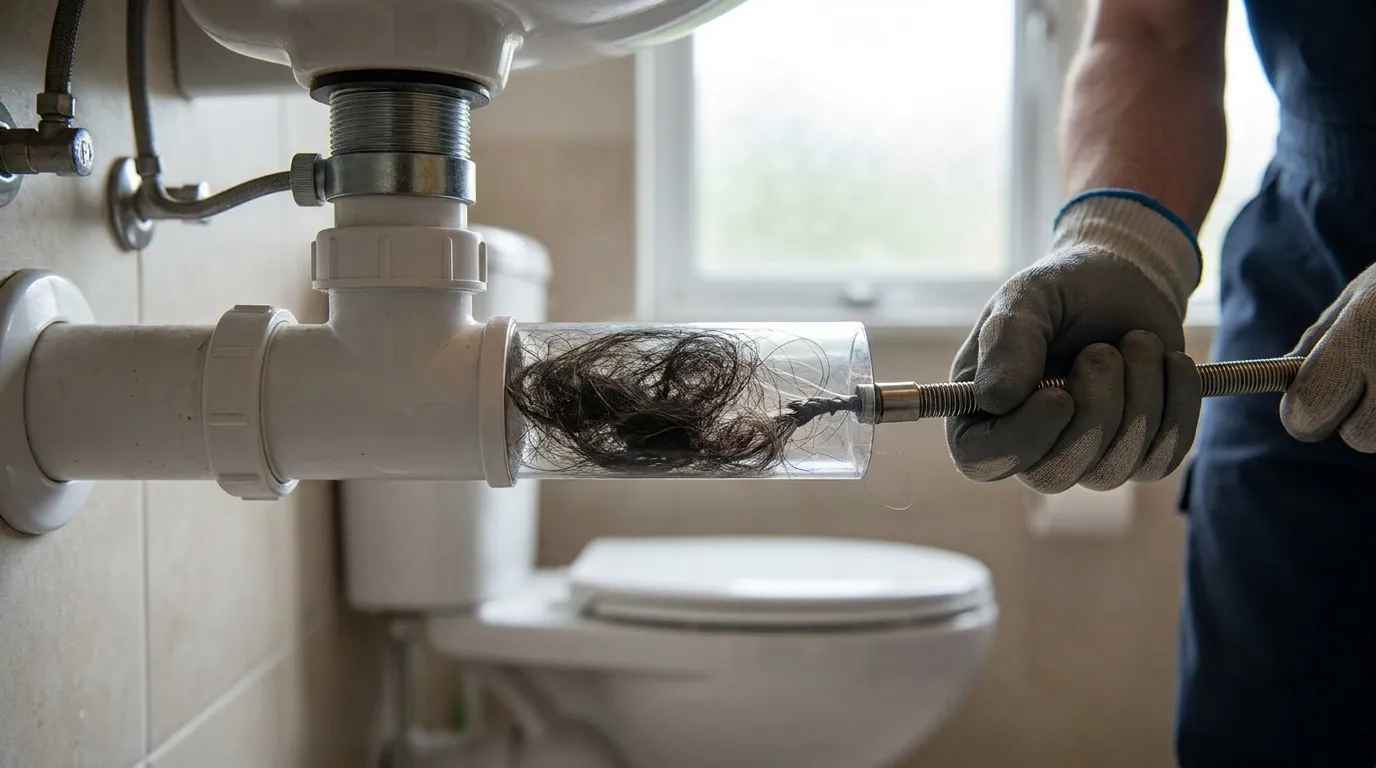
Introduction: A Quick Answer Before You Flush
No, you should not flush hair down the toilet because hair does not dissolve in water the way toilet paper does. Even though hair may disappear from the toilet bowl after flushing, it can still collect inside the toilet drain, toilet trap, pipes, or deeper parts of the plumbing system.
Hair may look harmless, especially if it is only a few strands from a brush, beard trim, or haircut. But over time, flushing hair down the toilet can lead to hair buildup, pipe blockages, slow drainage, and a clogged toilet. Long hair, pet hair, and thick hair clumps are especially risky because they can snag on pipe walls and trap waste, soap residue, grease, and debris.
The safest choice is simple: put hair in the trash can, not the toilet.
Can You Flush Hair Down the Toilet?
The short answer is no. You should not flush hair down the toilet, even if the amount seems small. Toilets are designed for the 3 P’s: pee, poo, and toilet paper. Hair is not part of that list because it is not made to break apart quickly in water.
Toilet paper is designed to soften and break down after flushing. Hair is different. It is made mostly of keratin, a strong protein that helps hair hold its shape and strength. Because of that, hair can stay intact inside the drain for a long time. Instead of dissolving, it may wrap around rough pipe interiors, pipe seams, or existing debris.
A few tiny shaving hairs may pass through without causing an immediate problem. But that does not mean flushing hair is a safe habit. The risk grows when you flush long hair, body hair, beard trimmings, pet hair, or hair from a brush. These can form a hair clog or combine with other non-flushable items like wipes, dental floss, paper towels, and cotton pads.
So, if you are asking, “Can I flush hair down the toilet?” the best answer is: avoid flushing hair completely.
Why Hair Can Clog Toilets and Pipes
Hair can clog toilets and pipes because it behaves like a small net inside the plumbing system. It does not break down quickly, and it can snag, twist, and collect other materials as water moves through the drain.
Inside a toilet drain, hair can catch on:
| Where Hair Gets Stuck | Why It Matters |
| Toilet trap | Curved shape can hold hair and waste |
| Pipe seams | Hair can snag on uneven connections |
| Pipe walls | Rough surfaces can catch long strands |
| Old plumbing pipes | Corrosion and buildup make clogs easier |
| Sewer line | Hair can join larger blockages deeper down |
Once hair gets caught, it can trap toilet paper, soap residue, grease, oil, paper bits, and other solids. This creates a larger obstruction. At first, you may not notice anything. The toilet may still flush normally. But with repeated flushing, the hair accumulation can restrict water flow.
This is why a hair clog often develops slowly. You may only notice the problem when the toilet starts flushing weakly, draining slowly, bubbling, or backing up.
Long strands are the biggest concern because they can wrap around debris more easily. Short hair, whiskers, and shaving hair may be less likely to form a large knot, but they can still contribute to buildup over time.
What Happens If You Flush Hair Down the Toilet?
If you flush hair once, nothing serious may happen right away. A small amount of short hair may move through the toilet drain without causing a visible issue. But the problem is that hair can remain inside the plumbing system and build up over time.
Here is what can happen after flushing hair:
First, the hair may move through the toilet bowl and into the toilet trap. This curved section helps block sewer gases from entering your bathroom, but it can also catch objects and debris. If hair gets stuck there, it may begin trapping more waste.
Second, hair may travel farther into the drainage pipes. If it catches on pipe walls, pipe junctions, or uneven surfaces, it can slowly form a blockage. This may lead to slow drainage, weak flushing, or a toilet that needs plunging more often.
Third, hair can contribute to a deeper sewer line clog. Hair alone may not always be the only cause, but when mixed with wipes, grease, dental floss, and other non-flushable items, it can become part of a larger plumbing problem.
In serious cases, the result may be plumbing repairs, professional drain cleaning, or expensive sewer services. That is why the safest habit is to stop hair before it enters the toilet at all.
Is It Okay If You Flushed Hair Once?
If you already flushed hair once, do not panic. A few strands or a small amount of short hair may not clog the toilet immediately. However, it is still better not to repeat it.
The risk depends on the amount and type of hair. A small amount of beard hair or shaving hair is less risky than a large clump of long hair from a hairbrush. Pet fur can also be risky because it often forms thick clumps.
After flushing hair once, watch the toilet for warning signs. If the toilet flushes normally, the bowl water does not rise, and there are no gurgling sounds, you may not need to do anything right away. But if the toilet drains slowly, backs up, bubbles, or clogs again, there may already be a partial blockage.
Do not keep flushing again and again to “push it through.” Repeated flushing can make a clog worse or cause water to overflow. Instead, stop flushing hair and use safe prevention habits going forward.
What to Do If You Already Flushed Hair
If you already flushed hair down the toilet, your next steps depend on how the toilet is behaving. If it flushes normally, you can simply avoid doing it again and monitor the toilet for a few days.
If the toilet seems slow, weak, or clogged, take action carefully.
Start by using a flange plunger, which is made for toilets. Place it over the toilet drain opening, create a firm seal, and plunge steadily. This may help move a minor clog through the trap.
If plunging does not work, a toilet auger or closet auger may help remove or break up hair caught near the toilet trap. This tool is safer for toilets than using sharp objects or random wires, which can scratch the porcelain or push the clog deeper.
Avoid using harsh chemical drain cleaners unless the product clearly says it is safe for toilets. Chemical cleaners can sit in the bowl if the clog does not clear, and some may damage pipes or create safety risks.
Call a professional plumber if:
- The toilet keeps clogging after plunging
- Water backs up into the tub, sink, or shower
- Multiple drains are slow at the same time
- You smell sewer odors in the bathroom
- A toilet auger does not solve the problem
These signs may point to a deeper drain obstruction or main sewer line issue.
Are Short Hair, Beard Hair, and Shaving Hair Safe to Flush?
Short hair, beard hair, whiskers, shaving hair, and body hair may seem less risky than long hair, but they still should not be flushed as a regular habit.
The reason is simple: even short hair can collect with soap residue, toothpaste, grease, toilet paper, and other debris. It may not form a large knot as easily as long hair, but repeated flushing can still add to buildup inside the pipes.
Beard trimmings are especially common around bathroom sinks and toilets. If you trim your beard over the sink, wipe the hair up with tissue or a damp paper towel and throw it in the trash. Do not rinse large amounts into the sink drain or flush them down the toilet.
The same rule applies to pubic hair, body grooming hair, and shaving cleanup. A few tiny hairs may not create an instant clog, but the better habit is to collect them before they enter any drain.
For home haircuts, sweep or vacuum the hair clippings and place them in a garbage bag. This protects both your toilet and your bathroom sink or shower drain.
Can You Flush Pet Hair Down the Toilet?
No, you should not flush pet hair down the toilet. Dog hair, cat hair, and animal fur can form dense clumps that are difficult for plumbing systems to move. Pet hair may also contain dirt, dander, litter dust, or grooming products that make clogs more likely.
Pet owners often deal with heavy shedding during seasonal changes. During pet shedding season, it may be tempting to gather fur from brushes, floors, or bath drains and flush it away. But this can create the same problem as human hair, and sometimes a worse one because fur clumps tightly.
The best method is to bag pet hair and throw it in the trash. If you bathe pets in a tub, use a drain cover or hair catcher to collect fur before it enters the shower drain. Clean the catcher after each bath.
Never flush cat litter mixed with pet hair. Even litter labeled as flushable can create plumbing and septic issues in many homes.
Is Hair Bad for Septic Systems?
Hair is especially bad for homes with a septic system. In a septic setup, everything you flush goes into your own wastewater system rather than directly into a municipal sewer system. That means poor flushing habits can affect your septic tank, pipes, and possibly the septic drain field.
A septic system depends on proper waste separation and healthy bacteria. Hair does not break down quickly, so it can add to solids inside the system. Over time, this may contribute to clogs, septic backups, or extra maintenance needs.
If your home uses a septic tank, you should be even stricter about what goes down the toilet. Stick to human waste and toilet paper only. Avoid flushing hair, wipes, paper towels, feminine hygiene products, dental floss, grease, chemicals, and medication.
Septic-safe toilet habits can help prevent costly problems. If you notice slow drains, gurgling toilets, sewage smells, or wet areas near the drain field, contact a septic professional.
Warning Signs Hair May Be Clogging Your Toilet
Hair clogs do not always appear immediately. Sometimes the problem grows slowly as hair catches more debris and restricts water flow. Knowing the warning signs can help you act before the toilet overflows.
Common signs of a toilet clog include:
| Warning Sign | What It May Mean |
| Slow toilet flush | Partial blockage in the toilet trap or drain |
| Water rises in the bowl | Wastewater is not moving properly |
| Toilet gurgling sounds | Air is trapped by a blockage |
| Toilet bubbles when flushed | Drain flow may be restricted |
| Bad smell from toilet drain | Waste or sewer gas may be trapped |
| Repeated clogs | Hair or debris may still be inside |
| Multiple drains clogged at once | Possible main sewer line issue |
If only one toilet is slow, the clog may be local. If your sink, shower, tub, and toilet all drain slowly, the problem may be deeper in the plumbing system. That is when professional help becomes more important.
Best Ways to Dispose of Hair Safely
The best way to dispose of hair is to throw it in the trash. This is simple, safe, and much better for your plumbing system.
Here is a practical guide:
| Hair Source | Best Disposal Method |
| Hair from a brush or comb | Pull it out and throw it in the trash |
| Haircut clippings | Sweep or vacuum, then bag and trash |
| Beard trimmings | Wipe up with tissue and throw away |
| Shaving hair | Collect with tissue or a damp cloth |
| Pet hair | Bag it and place it in the trash |
| Shower hair | Use a hair catcher and empty it into the trash |
Some people ask, can hair be composted? In small amounts, natural hair can be composted because it is biodegradable. However, it breaks down slowly and should not be added in large clumps. If the hair contains dyes, chemicals, flea treatments, or styling products, the trash is usually the better choice.
For everyday bathroom cleanup, keep a small lined trash can nearby. When disposal is easy, people are less likely to flush hair or rinse it down the drain.
How to Prevent Hair from Clogging Bathroom Drains
Preventing hair clogs is easier than fixing them. The goal is to stop hair before it enters the toilet, sink drain, or shower drain.
Use a hair catcher or drain cover in the shower or bathtub. This is one of the simplest ways to reduce hair buildup. Clean the catcher regularly so water can still drain properly.
Brush your hair before showering. This removes loose strands before they wash into the drain. If you have long hair, this habit can make a big difference.
When shaving or trimming, do not let large amounts of hair fall into the sink. Place a towel, tissue, or paper over the area, collect the hair, and throw it away.
Clean bathroom drains regularly with safe methods. For minor buildup, warm water and mild cleaner may help. Some people use baking soda and vinegar, but this is better for light cleaning than serious clogs.
Most importantly, do not flush hair to get rid of it. Once hair enters the plumbing system, it becomes harder to control.
How to Fix a Toilet Clogged With Hair
If you think your toilet is clogged with hair, start with the safest methods first. Do not keep flushing repeatedly, because that can cause an overflow.
A flange plunger is usually the first tool to try. It is designed to seal around the toilet drain better than a flat sink plunger. Push down gently at first to remove air, then plunge with steady pressure.
If that does not work, use a toilet auger. A toilet auger can reach into the toilet trap and help break up or pull out the obstruction. This is often better than a regular plumbing snake for toilets because it is designed to protect the porcelain.
Wear rubber gloves and use care. Avoid coat hangers, sharp tools, or anything that could scratch the toilet bowl.
If the clog remains, call a plumber. A professional may use drain cleaning tools, a camera inspection, or other methods to locate the blockage. For deeper sewer line problems, services such as hydro jetting may be needed.
A one-time clog may be simple. A repeated clog is a sign that something is still wrong.
Should You Use Drain Cleaner for Hair in a Toilet?
Be careful with drain cleaner in a toilet. Many chemical drain cleaners are not ideal for toilets, especially if the bowl is already clogged. If the cleaner cannot move through the pipe, it may sit in the toilet and create a safety risk.
Some harsh cleaners can also damage plumbing, harm septic tank bacteria, or react badly with other cleaning products. This is why mechanical methods, such as a plunger or toilet auger, are usually safer for a toilet clogged with hair.
If you choose any cleaner, read the label carefully. Make sure it is safe for toilets and safe for your type of plumbing. If you have a septic system, look for a septic-safe drain cleaner or ask a professional first.
Enzyme drain cleaners may be gentler than harsh chemical products, but they are usually slower and may not fix a serious hair obstruction. For a real clog, tools or professional drain cleaning are often more effective.
Does a Strong Flush Mean Hair Is Safe to Flush?
A strong flush does not mean hair is safe to flush. A powerful toilet may move hair out of the bowl quickly, but that does not make the hair dissolve. It may simply move the problem deeper into the drain line.
Some modern toilets have strong flushing systems, larger outlets, smooth glazing, or advanced designs. These features may help move waste more efficiently, but they do not change what hair is. Hair can still snag on pipe seams, combine with debris, and contribute to a clog farther away from the toilet.
This is an important point: a strong flush can move hair out of sight, but it cannot make hair break down.
Even if your toilet has a large drainage outlet or powerful flushing system, the safest rule is still the same. Flush only human waste and toilet paper.
Older Pipes, Apartments, and Shared Plumbing Risks
Some homes are more vulnerable to hair-related clogs than others. If you live in an older home, your plumbing may include old cast iron pipes, corroded sections, rough pipe interiors, or mineral buildup from hard water. These surfaces make it easier for hair to snag.
In newer homes with smooth PVC pipes, hair is still not safe to flush, but old plumbing may increase the risk of buildup and blockages.
Apartments and rental properties have another concern: shared drain lines. In multi-unit buildings, one person’s flushing habits can affect other units. Hair, wipes, grease, and other non-flushable items can combine in shared plumbing and create bigger problems.
Renters should be careful because avoidable clogs may lead to repair costs or landlord disputes. The safest bathroom habit is simple and universal: keep hair out of the toilet, sink, and shower drain whenever possible.
Other Things You Should Never Flush
Hair is not the only item that should stay out of the toilet. Many bathroom and household items can cause clogs, sewer problems, or wastewater treatment issues.
A helpful rule is the 3 P’s: pee, poo, and toilet paper. Everything else should usually go in the trash unless your local waste guidance says otherwise.
Do not flush:
- Hair
- Flushable wipes
- Paper towels
- Dental floss
- Q-tips
- Cotton pads
- Sanitary products
- Diapers
- Cat litter
- Food waste
- Grease or oil
- Medication
- Chemicals
Even items labeled “flushable” can still cause problems in many plumbing systems. Wipes, for example, do not break apart like toilet paper. Dental floss can tangle like hair. Grease can stick to pipes and trap debris.
A simple test is this: if it is not human waste or toilet paper, do not flush it.
When Should You Call a Plumber?
You do not need to call a plumber every time a few strands of hair enter the toilet. But you should call one if the problem keeps coming back or if you notice signs of a deeper blockage.
Call a professional plumber if the toilet clogs repeatedly, water backs up into other drains, the toilet overflows more than once, or a sewer smell appears in the bathroom. You should also get help if multiple drains are slow at the same time. That may suggest a main sewer line clog rather than a simple toilet clog.
A plumber can inspect the problem, remove the obstruction, and check whether hair is part of a larger issue involving wipes, grease, roots, pipe damage, or old plumbing.
Professional help may cost more than a plunger, but it can prevent bigger damage if the clog is deep inside the plumbing system.
Frequently Asked Questions
Does hair dissolve in toilet water?
No, hair does not dissolve in toilet water. Hair is made mostly of keratin, which is strong and slow to break down. Unlike toilet paper, hair can stay intact, snag in pipes, and trap debris.
Will hot water dissolve hair in the toilet?
Hot water will not dissolve hair. It may loosen some soap residue or soft debris, but it will not make hair disappear. Pouring very hot water into a toilet can also risk cracking porcelain in some cases, so be careful.
Does bleach dissolve hair in a toilet?
Bleach is not a reliable way to dissolve hair in a toilet. It may disinfect surfaces, but it is not a safe or complete solution for a hair clog. A plunger, toilet auger, or plumber is usually a better option.
Can one hair clog a toilet?
One strand of hair is unlikely to clog a toilet by itself. The bigger issue is repeated flushing, long hair, or hair clumps. Over time, hair can collect with paper, grease, soap residue, and other waste.
Can hair clog the main sewer line?
Hair can contribute to a main sewer line clog, especially when mixed with wipes, grease, roots, and other debris. If multiple drains are slow or backing up, the problem may be deeper than the toilet.
Can you flush hair from a hairbrush?
No, you should not flush hair from a hairbrush. Hair from a brush often comes out in clumps, which can easily tangle inside pipes. Pull it out and throw it in the trash.
Final Answer: Should You Flush Hair Down the Toilet?
So, can you flush hair down the toilet? The safest answer is no. Hair does not dissolve like toilet paper, and it can create toilet clogs, pipe blockages, slow drainage, and deeper plumbing issues over time.
A small amount flushed once may not cause an emergency, but flushing hair should never become a habit. Long hair, beard trimmings, body hair, and pet fur should all go in the trash instead.
To protect your toilet, use a hair catcher, clean bathroom drains regularly, throw hair away safely, and remember the simple rule: only pee, poo, and toilet paper belong in the toilet.
Disclaimer: