
 By Admin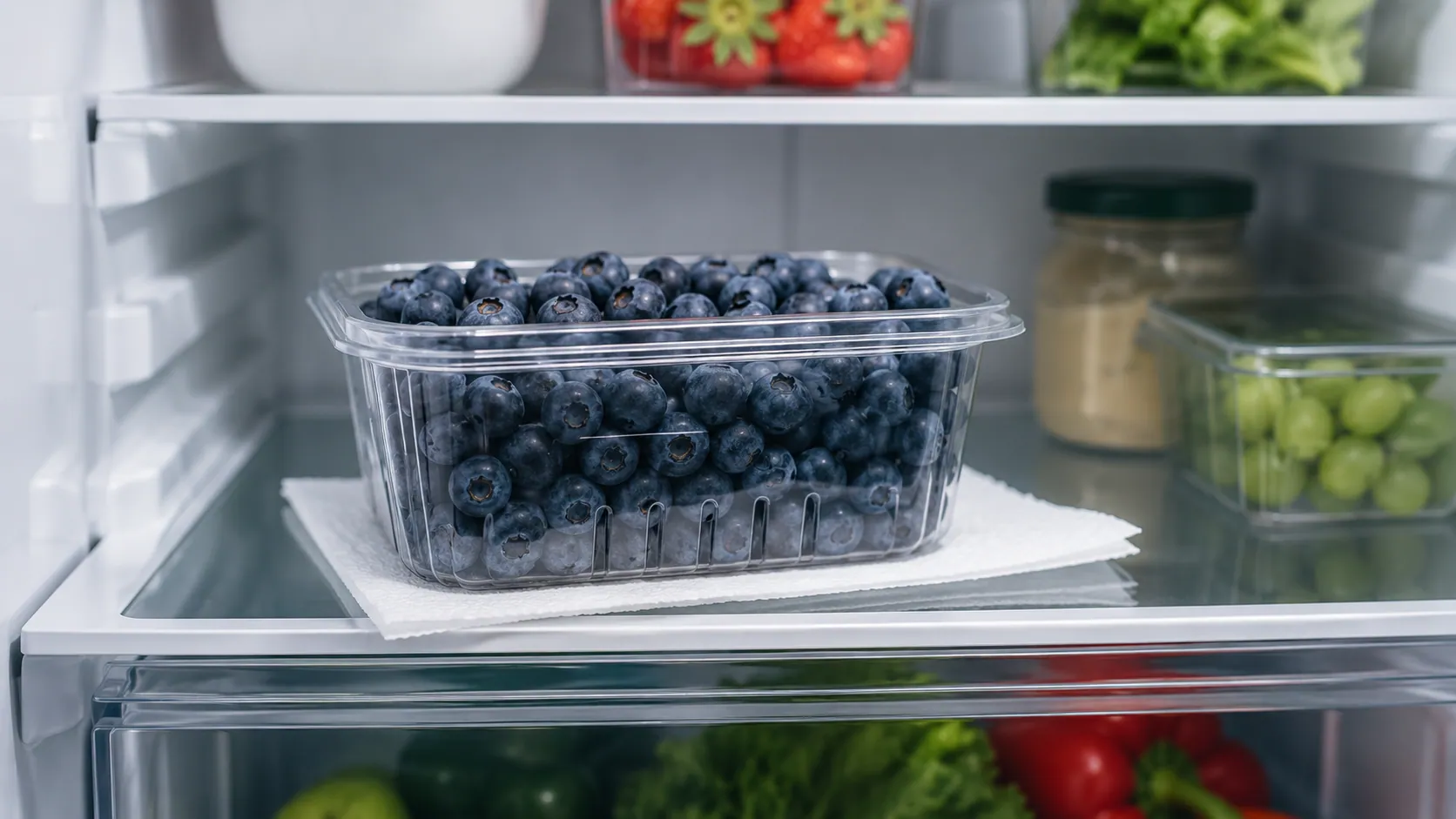
How long will blueberries keep in the fridge? Fresh blueberries usually last about 7–14 days in the refrigerator when they are kept dry, stored in the right container, and checked for mold or damaged berries. If they are already washed blueberries, very ripe, or sitting in a damp container, their fridge life may drop to about 3–5 days.
The key to a longer fresh blueberries shelf life is simple: avoid excess moisture, remove bad berries early, keep them cold, and give them enough air circulation. Blueberries are firmer than many other berries, so they often last longer than strawberries, raspberries, or blackberries, but they can still spoil quickly if they are stored wet or crushed.
This guide explains how long blueberries last in the fridge, the best way to store blueberries, when to wash them, how to spot bad berries, and what to do before they spoil.
Quick Answer: How Long Do Blueberries Last in the Fridge?
For most people, fresh unwashed blueberries keep in the fridge for about 7–14 days. Some containers may stay good for only 5–10 days, especially if the berries were already ripe or handled roughly before purchase. Very fresh, dry, firm berries may last up to two weeks when stored properly.
Here is a simple blueberry shelf life chart:
| Blueberry Type or Condition | Typical Storage Life |
| Fresh, unwashed blueberries in the fridge | 7–14 days |
| Very ripe blueberries | 3–7 days |
| Washed blueberries in the fridge | 3–5 days |
| Cut, crushed, or leaking blueberries | 1–3 days |
| Blueberries at room temperature | 1–2 days |
| Thawed blueberries in the fridge | 1–2 days |
| Frozen blueberries | 8–12 months for best quality |
So, if you are wondering how long do blueberries last in the refrigerator, the safest practical answer is: about one to two weeks for dry, unwashed berries. However, the exact timeline depends on how fresh they were when you bought them, whether there is moisture in the container, and whether any berries are bruised, moldy, or leaking juice.
A good rule is to check them every couple of days. Remove any mushy, moldy, or crushed berries before they affect the rest of the container.
Why Blueberries Go Bad So Quickly
Blueberries spoil mainly because of moisture, mold growth, bruising, and temperature changes. Even one bad blueberry can speed up spoilage in the whole container if it is left touching the others.
The biggest problem is excess moisture. When blueberries are washed too early or stored in a damp container, that moisture encourages mold, soft spots, and bacterial growth. This is why many food storage experts recommend washing blueberries right before eating rather than washing them before storage.
Another reason blueberries go bad quickly is damage. Bruised berries, crushed berries, and leaking blueberries break down faster because their skins are already weakened. Once a berry becomes soft or split, it releases moisture and juice, which can make nearby berries spoil faster.
Fridge conditions matter too. A stable, cold temperature helps slow spoilage. Blueberries do best in a refrigerator around 32–40°F or 0–4°C, with a general food-safety goal of 40°F or lower. If the fridge is opened constantly, or if the berries are placed in a humid area with poor airflow, they may become mushy sooner.
In short, why do blueberries go moldy so quickly? Usually because they are stored wet, packed too tightly, left with spoiled berries, or exposed to unstable temperatures.
How to Store Blueberries in the Fridge So They Last Longer
The best way to store blueberries is to keep them dry, cold, and lightly ventilated. You do not need a complicated system, but a few small steps can make a big difference.
First, inspect the container as soon as you bring it home. Look for visible mold, leaking juice, crushed berries, or berries that feel very soft. Remove any damaged blueberries right away. If one berry has mold, also check the berries touching it. Mold spreads quickly on soft fruit, so this simple step can help protect the rest of the container.
Next, avoid washing the berries before storing them. Dry berries usually last longer than wet berries because moisture is one of the fastest ways to trigger spoilage. If there is condensation inside the package, gently line the container with a dry paper towel to absorb extra moisture.
For containers, the original clamshell packaging is often a good choice because it allows some airflow. A breathable container also works well. If you use an airtight container, be careful: it can help protect berries from fridge odors, but it may also trap moisture if the blueberries are even slightly damp. For washed berries, an airtight or glass container lined with paper towel can work, but only if the berries are dried completely first.
Place blueberries on a middle shelf or upper shelf of the fridge where the temperature is steady. Some people use the crisper drawer, but if your crisper is very humid, it may make blueberries soften faster. A low-humidity drawer or a ventilated spot is usually better than a sealed, damp drawer.
A simple storage method looks like this:
| Step | What to Do | Why It Helps |
| 1 | Sort out moldy or damaged berries | Stops spoilage from spreading |
| 2 | Keep berries dry | Reduces mold growth |
| 3 | Use original clamshell or breathable container | Improves air circulation |
| 4 | Add a dry paper towel if needed | Absorbs excess moisture |
| 5 | Refrigerate promptly | Slows bacteria and mold |
If you follow these steps, your blueberries last in the fridge much closer to the higher end of the 7–14 days range.
Should You Wash Blueberries Before Storing Them?
In most cases, no — you should not wash blueberries before storing them. It is better to wash blueberries right before eating, cooking, or adding them to a recipe. This is because washed blueberries often spoil faster than unwashed ones.
The natural protective bloom on blueberries is the pale, dusty-looking coating you often see on fresh berries. This silvery-white bloom helps protect the fruit. Washing too early can remove some of that coating and add moisture, both of which may shorten shelf life.
If you are asking how long do washed blueberries last in the fridge, the answer is usually around 3–5 days, especially if they were not dried well. Wet berries can become mushy, squishy, or moldy much faster than dry berries.
If you already washed them, do not panic. Spread the berries in a single layer on paper towels or a clean kitchen towel. Let them dry completely before putting them back in the fridge. A colander can help drain them first, but drying on towels is still important.
Some people use a white vinegar and cold water rinse to help clean berries. A vinegar wash may help reduce some surface microbes, but it does not replace proper drying. If the berries go into the fridge wet, they can still spoil quickly.
The safest everyday approach is simple: store blueberries unwashed, then rinse them right before eating.
Best Container for Blueberries: Clamshell, Airtight, or Paper Towel?
The best container depends on whether the berries are dry, washed, or already opened. For most fresh blueberries, the plastic clamshell from the grocery store works surprisingly well because it gives the berries some airflow. Just remove any bad berries and add a paper towel if the container looks damp.
A breathable container is also a good choice because blueberries need some ventilation. If the container traps too much humidity, the berries may become soft or moldy. This is why a tightly sealed container is not always the best option for unwashed berries.
An airtight container can work if the blueberries are completely dry and you line the bottom with a paper towel. This is especially useful for berries that have already been washed. A glass container with a loose lid is another good option for people who want to store blueberries without plastic.
For bulk berries, a produce saver container may be helpful, especially if it controls moisture and allows airflow. But you do not need to buy a special container to keep blueberries fresh. A clean container, a dry paper towel, and proper fridge placement are usually enough.
The main rule is this: avoid trapping wet blueberries in a sealed container. Moisture plus poor airflow is one of the fastest paths to mold.
How to Tell If Blueberries Are Bad
Knowing how to tell if blueberries are bad is important for both food safety and taste. Blueberries do not have to look perfect to be edible, but certain signs mean they should be thrown away.
The most obvious sign is visible mold. Mold may look white, gray, green, fuzzy, or patchy. If you see white mold or fuzzy growth, remove the affected berries immediately. If mold is spread throughout the container, it is safer to discard the batch.
Texture is another clue. A few slightly wrinkled blueberries or shriveled berries may simply be drying out, and they can still be used in smoothies or baking if they smell fine and show no mold. But berries that are very mushy, slimy, leaking, or collapsing are past their best.
Smell matters too. Fresh blueberries should smell mild, fruity, and fresh. If they have a sour smell, fermented smell, or smell like alcohol, they may be fermenting or spoiling. Do not eat blueberries that smell unpleasant.
Watch for these signs:
| Sign | What It Means |
| Fuzzy mold | Spoilage; discard affected berries |
| Mushy texture | Overripe or breaking down |
| Leaking juice | Damaged and likely to spoil faster |
| Sour or fermented smell | Possible fermentation or spoilage |
| Slimy coating | Not safe or pleasant to eat |
| Dull, discolored appearance | Quality is declining |
If you are unsure whether blueberries are safe to eat, use caution. A berry that is slightly soft may be okay for cooking, but moldy, slimy, or sour-smelling berries should be discarded.
Blueberry Bloom vs Mold: How to Tell the Difference
One common mistake is confusing blueberry bloom vs mold. Fresh blueberries often have a pale, dusty, silvery coating. This is the natural protective bloom, not mold. It is normal and usually a sign that the berries have not been overhandled.
Bloom looks smooth, powdery, and evenly spread across the skin. It is not fuzzy or raised. When you rinse blueberries, this natural coating may wash away.
Mold looks different. White mold or gray mold is usually fuzzy, patchy, or clustered in spots. It may appear around the stem end or where berries are touching. Mold can also come with a bad smell, wetness, or soft texture.
A simple way to think about it is this: bloom is a natural waxy coating; mold is fuzzy growth. Bloom is safe and normal. Mold is a spoilage sign.
This section is important because many people throw away perfectly good blueberries when they see the natural white film. At the same time, you should not ignore actual mold. If the white area looks fuzzy, raised, or spreads between berries, treat it as mold and remove those berries.
Can You Freeze Blueberries Before They Go Bad?
Yes, you can freeze blueberries before they go bad, and freezing is one of the best ways to prevent waste. If you know you cannot eat the berries within the next few days, freeze them while they are still firm and fresh.
The best time to freeze blueberries is before they become moldy, slimy, or sour-smelling. Slightly soft berries can be frozen for smoothies or baking, but badly spoiled berries should not be saved.
To freeze blueberries, rinse them if desired, then dry them very well. Spread them in a single layer on a baking sheet lined with parchment paper. Freeze until solid, then move the berries into a freezer-safe bag or freezer-safe container. Add a date label so you know when you froze them.
Frozen blueberries are best used within 8–12 months for quality. They may still be safe beyond that if kept frozen, but texture and flavor can decline. To avoid freezer burn, press extra air out of the bag before sealing.
Frozen blueberries are excellent for smoothies, muffins, pancakes, oatmeal, sauces, and baking. They may become softer after thawing, so they are not always ideal for fresh snacking, but they work beautifully in cooked recipes.
What to Do With Blueberries Before They Spoil
If your blueberries are close to the end of their fridge life, use them before they become moldy. Slightly soft blueberries can still be delicious in recipes, even if they are not ideal for eating fresh.
One of the easiest options is a smoothie. Soft berries blend well with yogurt, milk, bananas, oats, or protein powder. You can also add blueberries to morning oatmeal, cereal, pancakes, waffles, or yogurt bowls.
For baking, older but still safe blueberries are perfect for blueberry muffins, quick breads, pies, and blueberry pancakes. Heat softens the berries further, so minor texture changes are not a problem.
You can also make a quick blueberry compote or sauce. Simmer blueberries with a little water, lemon juice, and sugar until they break down into a thick topping for pancakes, cheesecake, oatmeal, or ice cream.
A helpful “use them fast” plan looks like this:
| Berry Condition | Best Use |
| Firm and fresh | Snacking, salads, yogurt |
| Slightly soft | Smoothies, muffins, pancakes |
| Wrinkled but not moldy | Compote, sauce, baking |
| Moldy or sour-smelling | Discard |
Using blueberries before they spoil helps reduce food waste and saves money, especially when berries are expensive or bought in bulk.
Blueberries vs Other Berries: Which Lasts Longest?
Among common berries, blueberries usually last longer in the fridge than softer berries. Their skin is firmer, which helps protect them from quick breakdown. That is why blueberries often keep for 7–14 days, while raspberries or mixed berries may spoil much sooner.
Here is a simple berry storage chart:
| Berry Type | Typical Fridge Life | Notes |
| Blueberries | 7–14 days | Usually the longest-lasting common berry |
| Strawberries | 3–7 days | Spoil faster when wet or bruised |
| Raspberries | 2–3 days | Very delicate and mold quickly |
| Blackberries | 3–6 days | Soft and fragile |
| Mixed berries | 2–5 days | Shelf life depends on the most delicate berry |
If you buy mixed berries, remember that the softest berry usually controls the shelf life. A container with raspberries, blackberries, and blueberries will not last as long as blueberries alone.
For the longest storage, keep each berry type separate, dry, and cold.
Common Blueberry Storage Mistakes
Even fresh blueberries can spoil quickly if they are handled the wrong way. The most common mistake is washing them too early. Washing adds moisture, and why wet blueberries spoil faster comes down to mold and bacteria thriving in damp conditions.
Another mistake is leaving a moldy berry in the container. If you see one bad berry, remove it quickly. Also check the berries touching it, because mold can spread before it becomes obvious.
A tightly sealed container can also be a problem if the berries are wet. Airtight containers are useful only when the berries are dry or when a paper towel is used to manage moisture. Otherwise, the container may trap humidity.
Do not leave blueberries in a hot car after grocery shopping. Warm temperatures and condensation can shorten their shelf life before they even reach your fridge. Refrigerate them as soon as possible, especially in warm climates or humid weather.
Another overlooked mistake is storing blueberries near raw meat or messy packages. Keep fruit away from foods that could cause cross-contamination. Clean storage areas and basic handwashing help keep produce safer.
If you remember only one thing, remember this: dry berries last longer than wet berries.
FAQ About Blueberry Fridge Storage
Can blueberries last two weeks in the fridge?
Yes, blueberries can last up to two weeks in the fridge if they are fresh, dry, unwashed, and stored properly. However, many containers are best eaten within 7–10 days for peak texture and flavor.
Are blueberries still good after 10 days?
Blueberries can still be good after 10 days if they look, smell, and feel normal. Check for mold, sliminess, leaking juice, or a sour smell. If they pass those checks, they may still be safe to eat.
Can blueberries last three weeks in the fridge?
Sometimes store-bought blueberries may look fine after three weeks, but that is longer than the usual recommended quality window. Inspect them carefully. If they are moldy, slimy, sour-smelling, or fermented, throw them away.
Should blueberries be stored covered or uncovered?
Blueberries should be protected but not trapped in heavy moisture. A breathable container, original clamshell, or loosely covered container with a paper towel is usually better than a tightly sealed damp container.
Do blueberries last longer in the crisper drawer?
They can, but only if the drawer is not too humid. If your crisper drawer traps moisture, blueberries may spoil faster. A middle shelf or low-humidity drawer often works better.
Can you eat wrinkled blueberries?
Yes, wrinkled blueberries can be eaten if they are not moldy, slimy, or sour-smelling. They may be better for smoothies, oatmeal, sauces, or baking than fresh snacking.
Should you wash organic blueberries?
Yes. Even organic blueberries should be rinsed before eating to remove dirt, debris, and possible surface residue. Just avoid washing them too early unless you dry them completely before storage.
Conclusion
So, how long will blueberries keep in the fridge? In most cases, fresh blueberries last about 7–14 days when stored dry, cold, and properly ventilated. For the best results, keep them unwashed until you are ready to eat, remove moldy berries quickly, use the original clamshell packaging or a breathable container, and control moisture with a dry paper towel if needed.
If your berries are getting soft but are still safe, use them in smoothies, muffins, pancakes, oatmeal, or compote. If you cannot use them in time, freeze them in a single layer and store them in a freezer-safe bag for about 8–12 months of best quality.