
 By Admin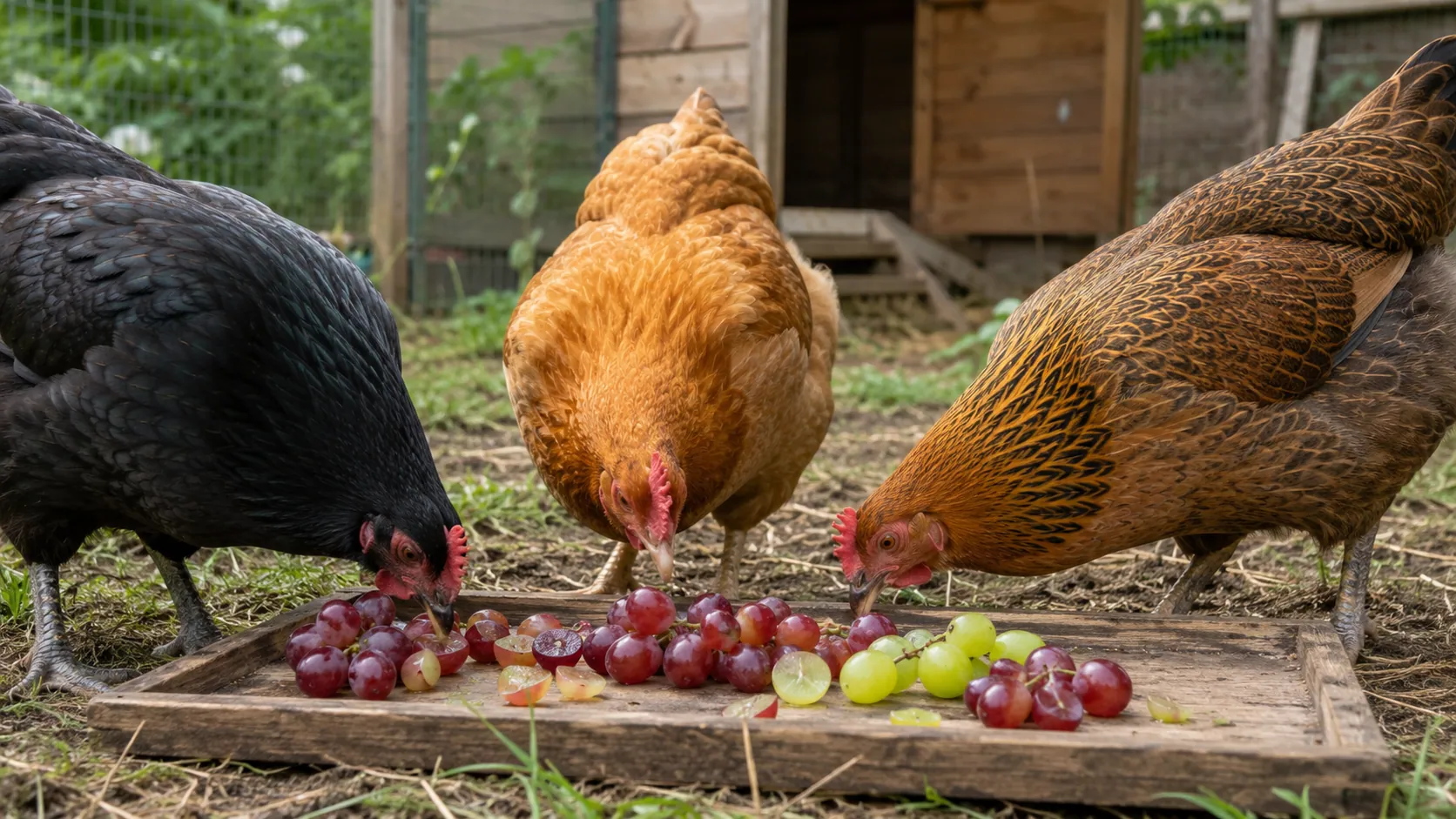
Introduction
Can chickens eat grapes? Yes, grapes are generally safe for chickens when they are served the right way. For many backyard chickens, a few fresh grape pieces can be a sweet, juicy treat that adds variety to their normal diet.
However, grapes should be treated as chicken treats, not as a replacement for complete poultry feed. Chickens need balanced feed for protein, minerals, calcium, energy, egg production, and overall health. Grapes can be enjoyable, but they do not provide everything a flock needs to stay healthy.
Many chicken keepers ask, “Are grapes safe for chickens?” because grapes are common kitchen scraps and are known to be toxic to dogs. That naturally makes owners wonder whether chickens and grapes are a safe combination. The good news is that grapes are not considered toxic to chickens in the same way they are for dogs, but portion size and preparation still matter.
Are Grapes Safe for Chickens?
Fresh grapes are not considered toxic to chickens when they are served in a safe, sensible way. If you are wondering, can hens eat grapes or can chickens have grapes, the answer is yes — most healthy adult chickens can enjoy small amounts of grapes as an occasional treat.
Chickens can eat red grapes, green grapes, black grapes, and seedless grapes. The color does not make a big safety difference. What matters more is that the grapes are fresh, clean, and served in small pieces. Many chicken keepers prefer seedless grapes for chickens because they are easier to prepare, but seeded grapes are not usually a major problem if they are cut properly.
Some owners worry because grapes are known to be dangerous for dogs and cats. That concern is understandable, but poultry are different animals with different digestive systems. Just because grapes can be unsafe for some pets does not automatically mean grapes are bad for chickens. For chickens, the bigger concerns are usually overfeeding, choking risk, spoiled fruit, or too much sugar, not grape toxicity itself.
A good rule is to introduce any new treat slowly. Give your flock a small amount first, then watch how they respond. If your chickens eat normally, stay active, and have normal droppings afterward, grapes can remain an occasional part of their treat rotation.
Are Grapes Good for Chickens? Nutrition Benefits and Limits
Grapes can be a healthy treat for chickens when they are served in small amounts. They contain plenty of water, along with natural sugars, fiber, potassium, vitamin C, vitamin K, and antioxidants. These nutrients can add a little variety to a chicken’s diet and make grapes a refreshing snack, especially for birds that enjoy soft, juicy fruits.
One reason many backyard flock owners like grapes is their hydration value. Because grapes have a high water content, they can be useful as a light treat during warm weather. On hot days, a few chilled grape pieces can encourage chickens to peck, stay active, and take in extra moisture. Still, grapes should never replace clean drinking water, which should always be available.
It is also important to understand the limits of grapes nutrition for chickens. Grapes are not protein-rich, and they do not provide the complete balance of nutrients that chickens need for growth, strong feathers, healthy bones, and steady egg production. Laying hens especially need enough protein, calcium, vitamins, and minerals from proper chicken feed. Grapes may be enjoyable, but they cannot support a flock’s health on their own.
A balanced chicken diet should be built mainly around nutritionally complete poultry feed. Treats, including fruits and kitchen scraps, should only make up a small part of what chickens eat. If chickens fill up on grapes before eating their regular feed, they may miss the nutrients they need for egg quality, energy, and long-term health.
A simple practical tip is to offer grapes after your chickens have already eaten their regular feed, not first thing in the morning. This helps make sure they get the nutrition they need before enjoying treats. When used this way, grapes can be one of the better hydration treats for chickens, but only as a small extra, not the main meal.
How Many Grapes Can Chickens Eat?
If you are wondering how many grapes can chickens eat, the safest answer is: only a small amount. Grapes should be served as a light snack, not a large part of the daily diet. Because they are sweet and watery, most chickens enjoy them quickly, but that does not mean they should eat a lot at once.
A practical serving guide is:
| Chicken Type | Safe Serving Amount |
| Small bantams | 1–2 small grape pieces |
| Standard adult hens | A few grape halves or quarters |
| Larger breeds | Slightly more, but still limited |
For most backyard flocks, it is better to think in terms of small pieces, not whole grapes. Cutting grapes into halves or quarters also helps reduce choking risk and makes it easier for every bird to get a fair share.
A helpful feeding rule is the 90/10 rule for chickens. About 90% of a chicken’s diet should come from complete poultry feed, while treats should make up only a small portion. This matters because balanced feed gives chickens the protein, calcium, vitamins, and minerals they need for energy, feather health, strong eggshells, and steady laying. Treats like grapes can be enjoyable, but they can dilute nutrition if they are offered too often.
Feeding too many grapes to chickens may lead to loose droppings, reduced interest in regular feed, weight gain, or poor nutrition over time. Chickens that fill up on sweet treats may eat less of the feed they actually need, which can affect overall health and egg production.
As a simple routine, offer grapes once or twice a week as occasional treats for hens. Keep the portions small, watch your flock’s reaction, and remove any uneaten fruit before it spoils. This gives your chickens variety without letting treats take over their diet.
How to Feed Grapes to Chickens Safely
Knowing how to feed grapes to chickens is just as important as knowing whether grapes are safe. Grapes are soft and easy for chickens to enjoy, but they should still be prepared carefully to reduce choking risk, avoid spoiled food, and keep the flock’s diet balanced.
Start by washing the grapes well. This helps remove dirt, dust, sprays, or possible residues from the skin. Even if the grapes look clean, it is still a good habit to wash grapes before feeding chickens, especially when they come from a grocery store.
Next, check each grape and remove any that are spoiled, moldy, mushy, or fermented. Chickens may peck at almost anything, but spoiled fruit is not a good choice. Moldy or fermented grapes can upset their digestion and may create health risks, especially if birds eat a lot of them.
After washing and checking them, cut grapes for chickens into halves or quarters. Adult chickens can often manage small foods well, but whole grapes can still be a chicken choking hazard, especially for bantams, young birds, or greedy eaters that swallow quickly. Smaller pieces are easier to peck, share, and digest.
When serving grapes to a flock, scatter the small pieces in different areas instead of placing one pile in the run. This reduces food competition and helps quieter hens get a chance to eat without being pushed away by stronger birds.
A helpful summer tip is to offer frozen grapes for chickens as a refreshing warm-weather snack. Cut the grapes first, freeze the halves or quarters, and serve only a few pieces at a time. They can help add variety on hot days, but they should still be treated as small safe chicken snacks, not a full meal.
Can Baby Chicks Eat Grapes?
Can baby chicks eat grapes? It is better to be careful. Baby chicks have different nutritional needs than adult chickens because they are growing quickly and need a steady supply of balanced nutrients. Their digestive systems are also still developing, so treats should be introduced slowly and only when they are ready.
For the first stage of life, chicks should mainly eat chick starter feed. Starter feed is made to provide the right balance of protein, vitamins, minerals, and energy for healthy growth, feather development, and strong bones. Grapes may be soft and sweet, but they do not provide the complete nutrition that young chicks need.
If you offer grapes for chicks, the pieces should be tiny, soft, and finely chopped. Never give a baby chick a whole grape or a large grape piece, because it can be hard to swallow and may become a choking risk. Grapes should only be offered after the chick is old enough to handle small treats and is already eating properly.
Some poultry care guidance, including Chewy’s chicken feeding advice, notes that chicks may have very small amounts of finely chopped grapes after about 3 weeks of age. Even then, grapes should stay as a rare treat, while chick starter feed remains the main food.
For new chicken keepers, the safest approach is to skip grapes for very young chicks unless they are already eating grit and handling small treats well. There are many safe treats for baby chicks, but treats should always come second to proper starter feed, clean water, warmth, and careful daily observation.
Can Chickens Eat Grape Seeds, Skins, Stems, Leaves, and Raisins?
When feeding grapes to chickens, it helps to understand which parts are safe and which ones need extra caution. Chickens may peck at more than just the soft fruit, especially if they free-range near grape vines or are given kitchen scraps.
Grape skins are generally safe for chickens. Most chickens eat them without any problem, and the skins are part of the fruit’s normal fiber content. If you are wondering can chickens eat grape skins, the answer is yes, as long as the grapes are fresh and washed well before serving.
Grape seeds are also usually not a major concern for adult chickens. Chickens have a strong digestive system and a gizzard that helps break down food. Still, many keepers prefer seedless grapes because they are easier to prepare and cleaner to feed. So, can chickens eat grape seeds? In small amounts, yes, but seedless grapes are often the simpler choice.
Grape stems are not the best treat. A chicken may peck at them, but tough stems can be harder to swallow and may increase the chance of choking or crop irritation, especially in smaller birds. It is better to remove stems before serving grapes.
Grape leaves and vines may be nibbled by chickens if they have access to them. In many backyard settings, chickens will peck at leaves, vines, and fallen fruit while exploring. However, can chickens eat grape leaves safely? Only if the leaves and vines have not been sprayed with pesticides, herbicides, fungicides, or other garden chemicals. If you are unsure whether the plant has been treated, do not let your flock eat it.
Raisins are dried grapes, but they should be treated differently from fresh grapes. Because raisins contain much less water, their natural sugar is more concentrated. This means a small amount goes a long way. If you are asking can chickens eat raisins, the safer answer is: rarely, in tiny amounts, and not as a regular snack. Fresh grapes are usually a better option than dried grapes for chickens.
Avoid sweetened dried fruit, trail mix, chocolate-covered raisins, and any grapes mixed with unsafe foods. These products may contain added sugar, salt, chocolate, oils, preservatives, or other ingredients that are not suitable for chickens. For the safest treat, stick with fresh, plain, washed grapes cut into small pieces.
Risks of Feeding Chickens Too Many Grapes
Grapes are safe as an occasional treat, but too many grapes for chickens can create problems. The main issue is not that fresh grapes are toxic. The bigger concern is that grapes are sweet, watery, and easy for chickens to overeat if they are given too often.
One common problem is chicken digestive upset. Because grapes contain water and natural sugar, large portions may lead to soft or watery droppings. If you notice chicken diarrhea after grapes, it may be a sign that your flock had too much fruit at once or that treats are making up too much of the diet.
Another risk is reduced appetite for balanced feed. Chickens need complete poultry feed for protein, calcium, vitamins, minerals, and energy. If they fill up on grapes or other scraps, they may eat less of the feed that supports strong feathers, healthy body condition, and steady egg production. Over time, too many treats can cause nutrient dilution, meaning the bird gets calories but not enough of the nutrients it actually needs.
This matters even more for laying hens. A proper egg production diet helps support egg size, shell strength, and overall flock health. When scraps and sweet treats take over, hens may lay fewer eggs, produce weaker shells, or lose condition. Grapes should add variety, not replace the food that keeps hens productive and healthy.
Feeding too many grapes may also contribute to possible weight gain, especially in less active chickens. Uneaten fruit can create another problem by making the coop or run messy. Grapes left on the ground can spoil, attract flies, invite pests, and increase the chance of chickens pecking at old or unsafe food.
Watch your flock after feeding grapes or any new treat. Warning signs include watery droppings, lethargy, loss of appetite, crop swelling, repeated choking or coughing behavior, and a sudden decline in laying. These signs do not always mean grapes are the only cause, but they do mean the chicken needs closer attention.
So, are grapes bad for chickens? Not when served correctly. They become a problem when portions are too large, treats are too frequent, or spoiled fruit is left in the run. If a chicken seems unwell after eating grapes or any treat, remove treats for now, offer clean water and normal feed, and contact a poultry-aware veterinarian if symptoms continue or worsen.
Best Times to Offer Grapes and Smarter Feeding Tips
Grapes work best when they are used as a small, planned treat instead of a random daily snack. One of the best times to offer grapes is on hot afternoons, when chickens may enjoy a cool, juicy bite. Because grapes contain plenty of water, they can be one of the more refreshing summer treats for chickens, especially if they are chilled or lightly frozen in small pieces.
Grapes can also be useful for simple training. If your flock enjoys them, a few grape pieces can help teach chickens to come when called. This is helpful for moving birds back into the run, checking on the flock before evening, or gathering them during supervised free-range time. Treats can support chicken enrichment and flock bonding, but they should not create picky eating or make chickens ignore their balanced feed.
A smart routine is to offer grapes after regular feed has already been eaten. This keeps treats in the right place: enjoyable extras, not the main meal. For better backyard flock care, rotate grapes with other safe fruits for chickens and healthy snacks such as watermelon, blueberries, strawberries, cucumber, leafy greens, and apple slices without seeds. This gives your birds variety without relying too much on one sweet fruit.
One uncommon but useful chicken keeper tip is to use grapes as a simple “check-in treat.” If a hen normally runs over for grapes but suddenly refuses them, she may need closer observation. A missed treat does not always mean something is wrong, but changes in appetite, energy, or behavior can be early signs that a chicken is not feeling well.
Used this way, grapes can be more than just one of the best treats for chickens. They can also help you build trust with your flock, encourage natural pecking behavior, and notice small health changes before they become bigger problems.
What Grapes or Grape Products Should Chickens Avoid?
Fresh grapes can be safe in small amounts, but not every grape product belongs in a chicken’s diet. Some forms are too sugary, too processed, or may carry a higher risk of spoilage. When in doubt, plain fresh grapes are always the better choice.
Avoid feeding chickens moldy grapes or fermented grapes. Moldy scraps should not be offered to chickens because spoiled food can create health risks and may upset digestion. Fermented grapes can also be a problem because they may contain alcohol-like byproducts from the fermentation process. If grapes smell sour, look fuzzy, feel slimy, or have been sitting outside too long, throw them away instead of giving them to your flock.
Chickens should also avoid grapes with possible pesticide, herbicide, or chemical residue. Always wash grapes well before feeding, and do not let chickens eat grape leaves, vines, or fallen fruit from areas that have been sprayed. This is especially important for backyard flocks that free-range near garden plants.
Many keepers also ask, can chickens eat grape jelly or can chickens drink grape juice? These are not good choices. Grape jelly, jam, juice, sugary fruit cups, and similar processed foods are often high in sugar and may contain additives that are not appropriate for chickens. These foods do not add meaningful nutrition and can encourage unhealthy eating habits.
Other unsafe foods for chickens include chocolate-covered raisins, trail mix with salted nuts or candy, and grapes mixed with spoiled kitchen scraps. Chocolate, excess salt, added sugar, oils, and candy ingredients are not suitable for poultry. Even if the grape itself is safe, the food mixed with it may not be.
FAQs
Can chickens eat grapes every day?
No. Chickens should not eat grapes every day. Grapes are best served as an occasional treat, not a daily food. Too many grapes can add extra sugar to the diet and may reduce how much balanced feed your chickens eat.
Can chickens eat whole grapes?
Adult chickens may be able to eat whole grapes, but it is safer to cut them first. Whole grapes can be a choking risk, especially for small breeds, bantams, young birds, or fast eaters. Cutting grapes into halves or quarters makes them easier to peck and swallow.
Can chickens eat seedless grapes?
Yes, chickens can eat seedless grapes. In fact, seedless grapes are one of the easiest options because they are simple to prepare. Just wash them well, cut them into small pieces, and offer them in moderation.
Can chickens eat frozen grapes?
Yes, chickens can eat frozen grapes if they are cut into small pieces. Frozen grape halves or quarters can be a refreshing treat in hot weather. Still, they should only be offered in small amounts and should not replace fresh water or regular feed.
Can chickens eat raisins?
Chickens can eat raisins only rarely and in very tiny amounts. Raisins are dried grapes, so their sugar is much more concentrated than fresh grapes. Fresh grapes are usually a better choice for chickens than raisins.
Can roosters eat grapes?
Yes, roosters can eat grapes the same way hens can. They should be fresh, washed, cut into small pieces, and served in moderation. Roosters also need a balanced diet, so grapes should stay as a small treat.
Can chickens eat grapes with seeds?
Yes, chickens can eat grapes with seeds, but seedless grapes are often easier for keepers to use. Grape seeds are usually not the main concern for adult chickens. The bigger issue is overfeeding, so keep portions small.
Are grapes toxic to chickens like they are to dogs?
No, grapes are not treated the same way for chickens as they are for dogs. Grapes are known to be dangerous for dogs, but fresh grapes are not considered toxic to chickens when served properly. Even so, chickens should only eat grapes in moderation.
Conclusion
Can chickens eat grapes? Yes, chickens can eat grapes when they are fresh, washed, cut into safe pieces, and served in moderation. Grapes can be a sweet and enjoyable snack for backyard flocks, but they should always be treated as occasional extras rather than an important part of the daily diet.
The main rule is balance. Grapes for chickens are safe as a treat, but they should not replace complete poultry feed. Too many grapes can lead to digestive upset, watery droppings, reduced feed intake, or unbalanced nutrition over time. Baby chicks need extra caution because they rely on starter feed for healthy growth and may not handle treats as well as adult chickens.
It is also best to avoid moldy grapes, fermented fruit, processed grape products, grape jelly, grape juice, sugary dried fruit, and anything mixed with unsafe scraps. The safest option is always plain, fresh grapes served in small pieces.
Grapes can be one of the more enjoyable safe chicken treats, but strong backyard chicken care starts with clean water, balanced feed, safe housing, and thoughtful feeding habits that support healthy flock feeding every day.
Disclaimer:
This article is for general informational purposes only and should not replace professional veterinary advice. Chicken health, diet needs, and reactions to treats can vary by age, breed, flock condition, and overall care. If your chicken seems unwell after eating grapes or any new food, contact a poultry-aware veterinarian for proper guidance.