
 By Admin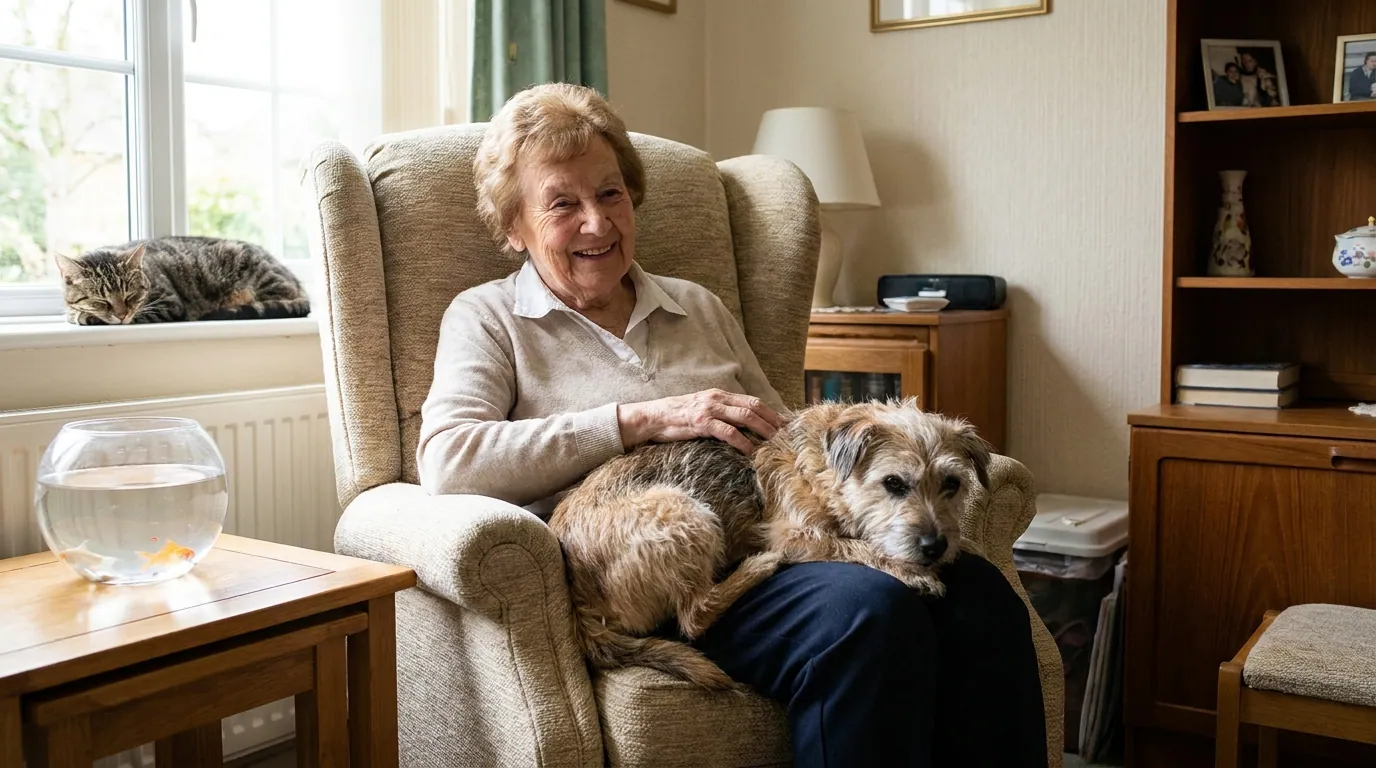
What are the best pets for elderly people? The best choices are usually low-maintenance, calm, safe, affectionate, and easy to care for, such as an adult cat, a small older dog, fish, a gentle bird, or even a robotic companion pet when a live animal is not practical.
For many seniors, the right pet can bring companionship, comfort, routine, and a stronger sense of purpose. A pet can help reduce loneliness, encourage light physical activity, and make daily life feel warmer and more connected. But not every pet is suitable for every older adult. The best pet depends on the senior’s mobility, budget, home size, health, energy level, and support system.
This guide explains the best pets for elderly people, including dogs, cats, fish, birds, rabbits, and alternative options. It also covers pet safety, costs, dementia care, apartment living, and how families can choose the right companion for an elderly loved one.
Quick Answer: Best Pets for Elderly People by Lifestyle
The best pet for an older adult is the one that fits their daily routine without creating stress, danger, or financial pressure. A very active senior may enjoy a small dog, while someone with limited mobility may do better with a calm cat, fish, bird, or robot pet.
| Senior’s Lifestyle | Best Pet Options | Why They Work |
| Lives alone | Adult cat, small dog, bird | Offers companionship and daily routine |
| Limited mobility | Cat, fish, small bird, robot pet | Requires less walking and physical effort |
| Apartment living | Cat, fish, guinea pig, small dog | Fits smaller spaces and quieter homes |
| Wants exercise | Small older dog | Encourages gentle daily walks |
| Fixed income | Fish, adult cat, small bird | Often lower daily care costs |
| Dementia or Alzheimer’s | Supervised therapy pet or robot pet | Provides comfort with less risk |
Overall, adult cats are often among the best low-maintenance pets for seniors because they are affectionate, quiet, and do not need daily walks. Small older dogs are ideal for seniors who want companionship and can safely manage walks. Fish and birds can be calming choices for elderly people who enjoy watching and listening more than handling a pet.
Benefits of Pets for Seniors
Pets can have a powerful emotional effect on older adults. Many seniors experience loneliness, especially after retirement, the loss of a spouse, reduced mobility, or living far from family. A pet can make the home feel less empty by offering steady companionship and a daily reason to stay engaged.
For seniors living alone, a pet often becomes part of the daily rhythm. Feeding, grooming, talking to, or simply sitting near a pet can create a comforting routine. This routine may support mental health, reduce feelings of isolation, and provide a stronger sense of purpose.
Dogs can encourage light movement through short walks, which may support physical health and social interaction. Cats can provide quiet comfort without requiring outdoor exercise. Birds can add sound and liveliness to the home. Fish can create a peaceful environment and may help reduce stress.
Pets can also help families. An elderly parent with a gentle companion animal may feel less alone between visits. However, pet ownership should always improve the senior’s quality of life, not add pressure. The goal is not just to get any pet. The goal is to choose the right companion animal for the person’s health, home, and lifestyle.
What to Consider Before Choosing a Pet for an Elderly Person
Before choosing a pet for a senior, families should think carefully about daily care, safety, and long-term planning. A pet may be loving and helpful, but it also needs feeding, cleaning, vet care, and attention.
The first factor is mobility. Can the senior walk a dog safely? Can they bend down to clean a litter box? Can they lift a fish tank, bird cage, or bag of pet food? Seniors with arthritis, balance problems, Parkinson’s, or wheelchair use may need a pet that requires very little physical effort.
Budget is another major factor. Pets can involve food costs, vet bills, vaccinations, grooming, litter, toys, pet-sitting, dog walking, and emergency medical care. A senior on a fixed income or pension income may need a lower-cost pet or access to low-cost pet care resources.
Home environment matters too. Seniors living in apartments, assisted living, or retirement communities may face pet size limits, breed restrictions, noise rules, or vaccination requirements. A large dog may not fit a small apartment, while a noisy bird may not be ideal in shared housing.
Finally, every elderly pet owner needs a backup pet care plan. If the senior becomes ill, has a doctor visit, or needs an overnight hospital stay, someone should be ready to feed, walk, clean, or temporarily care for the pet.
Best Dogs for Seniors Who Want Companionship and Routine
Dogs can be wonderful companion pets for seniors, especially older adults who enjoy routine, affection, and light outdoor activity. A dog can encourage daily walks, create social opportunities, and provide loyal emotional support.
However, not all dogs are suitable for elderly owners. The best dogs for seniors are usually small or medium-sized, low-energy, gentle, easy to train, and not strong pullers. Large, powerful, or very energetic dogs can increase the risk of falls, especially if they jump, run indoors, or pull on the leash.
Some commonly recommended dog breeds for seniors include:
| Dog Breed | Why It May Suit Seniors |
| Cavalier King Charles Spaniel | Gentle, affectionate, and manageable |
| Shih Tzu | Small, loyal, and good for quiet homes |
| Maltese | Light, affectionate, and often lap-friendly |
| Pug | Playful but usually not overly demanding |
| French Bulldog | Compact and lower-energy |
| Bichon Frisé | Cheerful and often suitable for allergy-sensitive homes |
| Toy or Miniature Poodle | Intelligent, trainable, and often low-shedding |
| Miniature Schnauzer | Alert, friendly, and manageable |
| Yorkshire Terrier | Small and affectionate, though grooming is needed |
For many seniors, an older dog is better than a puppy. Puppies require house training, night waking, chewing management, and high energy during their first few months. A calm adult or senior dog often has a known personality and may already be trained.
Dogs are best for seniors who can safely handle walks or have support from family, neighbors, or dog walking services.
Best Cats for Seniors Who Want a Calm, Low-Maintenance Companion
Cats are often one of the best pets for elderly people because they offer companionship without needing outdoor walks. For seniors with limited energy, apartment living, or mobility concerns, an adult cat may be easier to care for than a dog.
A cat can sit beside an older adult, sleep nearby, and offer quiet comfort throughout the day. Many cats are independent enough to manage alone for short periods, yet affectionate enough to provide emotional connection. This makes cats especially suitable for seniors who want a low-maintenance pet but still want a warm companion.
The best cats for seniors are usually calm, litter-trained, gentle, and easy to groom. Short-haired cats may be better for elderly owners who cannot brush a pet frequently. An adult cat is usually easier than a kitten because kittens are playful, fragile, and require more supervision.
Common cat breeds often recommended for older adults include:
| Cat Breed | Why It May Suit Seniors |
| Ragdoll | Calm, affectionate, and relaxed |
| British Shorthair | Quiet and low-maintenance |
| Russian Blue | Gentle and often reserved |
| Persian | Calm but needs grooming |
| Birman | Friendly and affectionate |
| Maine Coon | Gentle, though larger and may need more care |
Cats are not care-free. They still need feeding, clean water, litter box cleaning, vet visits, and attention. But for many older adults, cats are among the easiest companion animals to manage.
Fish, Birds, Rabbits, and Other Low-Maintenance Pets for Seniors
Not every elderly person wants a dog or cat. Some seniors prefer quiet, small, or less physically demanding pets. Fish, birds, rabbits, and guinea pigs can all be good options when matched carefully to the senior’s abilities.
Fish can be calming and beautiful to watch. A small freshwater aquarium with Betta fish or other easy-care fish may suit seniors who enjoy peaceful routines. However, fish still require feeding, water testing, filter care, and tank cleaning. A tank that is too large can become difficult or unsafe to manage, so smaller setups are usually better.
Birds such as canaries, budgerigars, parakeets, and cockatiels can bring sound and life into a quiet home. They may be good for seniors who enjoy interaction but cannot walk a dog. Birds still need cage cleaning, fresh food and water, and regular attention. Some birds are noisy or long-lived, so families should consider long-term care before adopting.
Rabbits and guinea pigs can be gentle and enjoyable, but they need clean enclosures, proper food, and careful handling. They may be better when a family member or caregiver can help with cage cleaning.
Some unusual pets, such as tortoises, leopard geckos, tarantulas, or insects, may interest certain seniors, but they are not ideal for everyone. They can require special habitats, temperature control, and specific care knowledge.
For most elderly people, the best alternative pets are those that are quiet, safe, affordable, and easy to care for.
Dog vs Cat for Elderly People: Which Is Better?
Choosing between a dog and a cat is one of the biggest decisions for seniors. Both can be excellent pets, but they fit different lifestyles.
| Factor | Dog | Cat |
| Companionship | Very high | High |
| Exercise needs | Moderate to high | Low |
| Grooming | Depends on breed | Usually low to moderate |
| Cost | Often higher | Usually moderate |
| Best for | Active seniors | Seniors who want quiet companionship |
| Main risk | Pulling, tripping, falls | Scratches, allergies, litter cleaning |
A dog may be better for an elderly person who enjoys walking, wants a strong daily routine, and can safely manage outdoor care. A cat may be better for a senior who wants affection without daily walks or heavy physical demands.
In many cases, the best answer is not “dog or cat,” but “which individual animal has the right temperament?” A calm older dog may be easier than a high-energy kitten. A gentle adult cat may be better than a needy puppy. The senior’s lifestyle should guide the choice.
Best Pets for Seniors With Limited Mobility
For seniors with limited mobility, the best pets are those that do not require frequent walking, lifting, bending, or heavy cleaning. This includes older adults who use walkers, wheelchairs, canes, or have balance problems.
Good pet options may include an adult cat, a small bird, fish in a manageable tank, or a robotic pet. A small older dog may also work if someone else can help with daily walks.
The safest pets for seniors with mobility issues usually have these traits:
- Calm temperament
- Low exercise needs
- Minimal grooming
- Easy feeding routine
- Low fall risk
- Simple cleaning needs
A senior with arthritis may struggle to clean a litter box placed on the floor, but a raised or accessible setup may help. A wheelchair user may enjoy a cat or bird more than a dog that requires outdoor walks. A senior with balance problems should avoid pets that run underfoot, jump suddenly, or pull on a leash.
For seniors with serious mobility limitations, the best choice may be a pet that provides companionship without creating physical strain.
Best Pets for Elderly People Living Alone
For elderly people living alone, pets can provide comfort, structure, and emotional connection. A quiet home can feel warmer when there is a cat sleeping nearby, a small dog greeting them, or a bird singing in the morning.
The best pets for seniors living alone are usually affectionate but manageable. An adult cat is often a strong option because it offers companionship without needing constant supervision. A small older dog can be wonderful for a senior who can walk safely or has support. Birds and fish may also help reduce feelings of loneliness by adding sound, movement, and routine to the home.
However, living alone also means backup care is essential. If the senior becomes sick, falls, or needs to stay in the hospital, someone must be able to care for the pet. Families should discuss this before bringing an animal home.
For seniors who feel lonely but cannot manage a live animal, robot pets for elderly people may offer emotional comfort without feeding, grooming, vet bills, or cleaning.
Best Pets for Elderly People in Apartments or Senior Living Communities
Many older adults live in apartments, senior living communities, independent living centers, assisted living homes, or smaller dwellings. In these settings, the best pets are usually quiet, compact, and easy to manage.
Good apartment-friendly pets include:
| Pet | Why It Works in Apartments |
| Adult cat | Quiet, independent, and indoor-friendly |
| Small dog | Good if calm and allowed by housing rules |
| Fish | Quiet and space-saving |
| Small bird | Good companionship, but noise should be considered |
| Guinea pig | Gentle, but needs cage cleaning |
Before choosing a pet, seniors should check the senior living pet policy. Some communities have pet size limits, breed restrictions, vaccination requirements, pet deposits, or rules about noise and odor.
Small spaces also increase the importance of safety. Food bowls, toys, litter boxes, and pet beds should not block walking paths. This is especially important for seniors using walkers, canes, or wheelchairs.
Best Pets for Elderly People With Dementia or Alzheimer’s
Choosing pets for elderly people with dementia or Alzheimer’s requires extra care. A live pet can provide comfort, routine, and emotional support, but it can also create safety risks if the senior forgets to feed the pet, clean up properly, or handle the animal gently.
For early-stage dementia, a calm cat, small older dog, or supervised therapy pet may be helpful if a caregiver is involved. In more advanced dementia, a live pet may not be safe unless family members, home nursing support, or aged care staff can manage the animal’s needs.
In some cases, robot pets for dementia patients may be a better choice. Robotic cats and dogs can offer comfort, touch, and companionship without requiring food, vet care, walking, or cleaning. They may be especially useful for seniors who love animals but cannot safely care for a live one.
The key rule is simple: the pet’s wellbeing and the senior’s safety must both be protected.
Robot Pets for Elderly People: A Safe Alternative to Live Animals
Robot pets for elderly people are becoming a helpful option for seniors who want companionship but cannot manage a live animal. These lifelike robotic pets may look like cats, dogs, or other companion animals. Some respond to touch, make sounds, move gently, or provide comforting interaction.
Robot pets may be useful for seniors with dementia, Alzheimer’s, allergies, limited mobility, fixed income, or housing restrictions. They do not need feeding, litter boxes, grooming, vaccinations, walks, or emergency vet care. They also remove the concern of what happens to a pet if the elderly owner becomes ill.
Of course, robotic pets are not the same as live animals. They do not offer the same natural bond, personality, or mutual relationship. But for some seniors, especially those in memory care or assisted living, they can provide meaningful comfort.
A good article about the best pets for elderly people should include robot pets because not every senior can safely care for a live animal.
Safest Pets for Elderly Owners: Health, Hygiene, and Fall-Risk Tips
Safety should be a major part of choosing pets for seniors. A pet should bring joy, not increase the chance of injury.
The safest pets for elderly owners are usually calm, predictable, easy to handle, and matched to the senior’s physical ability. Large dogs that jump or pull can create fall risks. Small pets that run underfoot may also be dangerous in homes where a senior has balance problems.
To make pet ownership safer, keep food bowls, toys, leashes, beds, litter boxes, and cages away from walking paths. Use non-slip mats where needed. Choose a leash that is easy to grip, and avoid dogs that pull strongly.
Hygiene also matters. Seniors should wash hands after cleaning litter boxes, cages, or aquariums. Anyone with allergies, asthma, or a weakened immune system should discuss pet choice carefully with a healthcare professional.
A safe pet for seniors is not only friendly. It is also practical, manageable, and unlikely to create trip hazards, scratches, bites, or cleaning problems.
Pet Costs for Seniors: What to Budget Before Adopting
Cost is one of the most important parts of choosing a pet for an elderly person. Even a low-maintenance animal has ongoing expenses.
| Cost Category | Examples |
| Upfront costs | Adoption fee, carrier, bed, bowls, cage, tank |
| Monthly costs | Food, litter, treats, cleaning supplies |
| Routine care | Vet checkups, vaccinations, grooming |
| Emergency costs | Illness, injury, medication |
| Optional costs | Pet insurance, dog walking, pet sitting |
Dogs are often more expensive than cats, birds, or fish because they may need grooming, training, walking support, and more frequent supplies. Cats may cost less, but litter, food, and vet bills still add up. Fish may seem cheap, but tanks, filters, water care, and equipment can create costs too.
Seniors on a fixed income should look into animal shelters, senior discounts, low-cost vet clinics, pet food assistance, and adoption programs. Families should also discuss whether pet insurance for seniors makes sense.
A pet should never become a financial burden that affects food, medicine, housing, or healthcare needs.
Why Older Pets Are Often Better Than Puppies or Kittens for Seniors
Older pets are often better than puppies or kittens for elderly owners. A senior dog or adult cat usually has a calmer temperament and a more predictable personality. This helps families choose a pet that truly matches the senior’s lifestyle.
Puppies and kittens are cute, but they require intense care. They may chew, scratch, run underfoot, wake up at night, need training, and require close supervision. For an elderly person with mobility issues or limited energy, this can quickly become overwhelming.
An older dog may already be house-trained and leash-trained. An adult cat may already know how to use a litter box and may be less likely to climb curtains, scratch furniture, or dart around the home.
Senior pet adoption can also be emotionally rewarding. Many older animals in shelters need calm homes, and many older adults need calm companions. When the match is right, an older pet and an elderly owner can be a beautiful combination.
When a Pet May Not Be the Right Choice for an Elderly Person
A pet is not always the best choice. Sometimes, the most loving decision is to wait, choose a different kind of companion, or consider a non-live option.
A live pet may not be right if the senior has severe mobility problems with no backup help, advanced dementia without supervision, frequent hospital stays, serious allergies, asthma, fear of animals, or no emergency budget for vet care.
Housing restrictions can also make pet ownership difficult. Some senior apartments or assisted living communities do not allow certain animals, breeds, or sizes. In other cases, the senior may love animals but feel stressed by daily care.
Families should be honest. If a pet creates more anxiety than comfort, it may not be the right time. Alternatives include visiting therapy animals, fostering short-term, helping care for a family member’s pet, or using a robotic companion pet.
The best choice protects both the elderly person and the animal.
Senior Pet Ownership Checklist Before Bringing a Pet Home
Before adopting, seniors and family caregivers should ask practical questions.
| Question | Why It Matters |
| Can the senior feed the pet every day? | Daily care must be reliable |
| Can they clean litter, cages, or tanks? | Hygiene affects health and comfort |
| Can they afford vet bills and supplies? | Costs continue after adoption |
| Is the pet allowed where they live? | Senior living rules may apply |
| Can someone help during illness? | Backup care is essential |
| Is the pet calm and easy to handle? | Reduces stress and fall risk |
| Does the pet match their mobility? | Prevents unsafe daily demands |
| Is the pet’s lifespan realistic? | Long-term planning matters |
This senior pet ownership checklist is especially useful for adult children asking, “Should I get a pet for my elderly parent?” The answer should depend on the parent’s health, wishes, budget, home environment, and support network.
A pet should never be a surprise gift. The elderly person should be involved in the decision whenever possible.
Final Recommendation: The Best Pet Depends on the Senior’s Lifestyle
The best pets for seniors are not the same for everyone. The right pet depends on the senior’s lifestyle, health, home, budget, and care support.
For many elderly people, the best overall low-maintenance pet is an adult cat. For active seniors, a small older dog can be an excellent companion. For apartment living, cats, fish, small birds, and calm small dogs often work well. For seniors with limited mobility, fish, adult cats, birds, and robot pets may be safer. For dementia care, supervised therapy pets or robotic pets may be the most practical choice.
The best pet should provide companionship, not pressure. It should add comfort, routine, joy, and emotional support while staying realistic for the senior’s daily life.
FAQs About the Best Pets for Elderly People
What is the easiest pet for a senior to take care of?
The easiest pets for seniors are usually adult cats, fish, small birds, or robot pets. Adult cats are affectionate and do not need walks. Fish are quiet and calming, though tanks still need cleaning. Robot pets are easiest for seniors who cannot manage live animal care.
Are dogs or cats better for elderly people?
Dogs are better for active seniors who enjoy walking and daily outdoor routines. Cats are usually better for elderly people who want a quiet, lower-maintenance companion. The best choice depends on the senior’s mobility, energy level, and home environment.
Should an elderly person get a puppy?
Usually, an elderly person is better suited to an adult or senior dog rather than a puppy. Puppies require training, supervision, energy, and patience. Older dogs are often calmer, already trained, and easier to manage.
What pets are best for seniors with mobility issues?
The best pets for seniors with mobility issues include adult cats, fish, small birds, robot pets, and sometimes small older dogs if walking support is available. The pet should not require heavy lifting, frequent bending, or long walks.
Are robot pets good for elderly people?
Yes, robot pets can be good for elderly people who want companionship but cannot safely care for a live animal. They may be especially helpful for seniors with dementia, allergies, limited mobility, or housing restrictions.
What is the safest pet for an elderly person?
The safest pet for an elderly person is calm, low-maintenance, easy to handle, and matched to the senior’s mobility and home. For many seniors, this may be an adult cat, a small older dog, fish, a gentle bird, or a robotic companion pet.
Disclaimer: This content is for general informational purposes only and should not be considered professional veterinary, medical, or caregiving advice. Always consult a qualified veterinarian, healthcare provider, or senior care specialist before choosing a pet for an elderly person’s specific needs and situation.