
 By Admin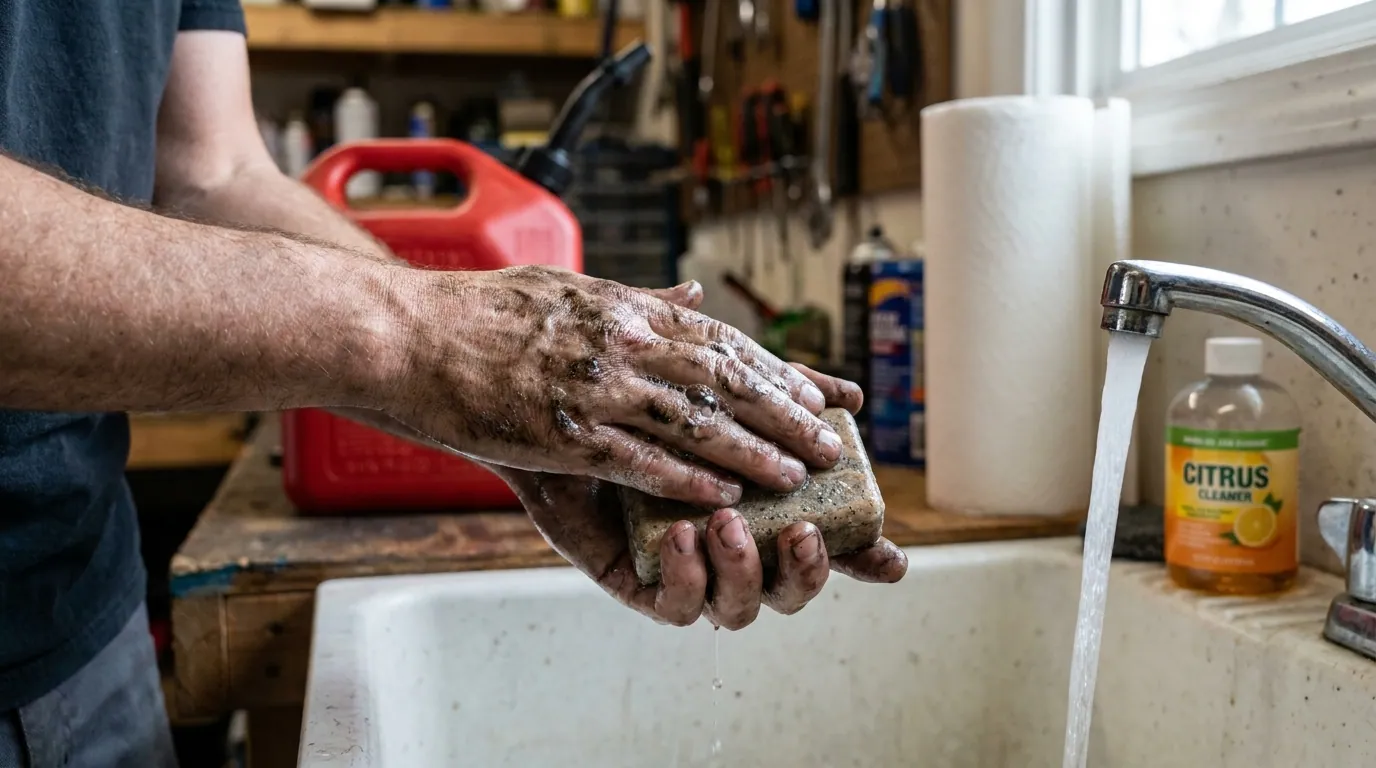
How to get the smell of gasoline off your hands is a common question after pumping gas, filling a lawn mower, handling a gas can, or working on a vehicle. Gasoline has a strong, sharp odor that can stay on your hands, fingers, and under fingernails even after normal washing. That lingering smell usually comes from gasoline residue, oily residue, and fuel compounds that cling to the skin.
The good news is that you can usually remove gasoline smell from hands with simple, skin-safe methods like dish soap, baking soda, white vinegar, lemon juice, or coffee grounds. The key is to break down the oily film first, then neutralize the odor.
This guide explains the best way to get gasoline smell off your hands, why the smell sticks, which home remedies work, what not to use, and when gasoline on skin may become a safety concern.
Quick Answer: Best Way to Get Gasoline Smell Off Your Hands
The fastest way to get gas smell off hands is to wash with dish soap and warm water first. Dish soap works better than regular hand soap because it is made to break down grease, oil, and sticky residue. Since gasoline can leave an oily film on your skin, dish soap is usually the best first step.
A simple method looks like this:
| Step | What to Do | Why It Helps |
| 1 | Rinse hands with clean water | Removes loose gasoline residue |
| 2 | Wash with dish soap | Breaks down oily residue |
| 3 | Scrub under nails | Removes trapped fuel odor |
| 4 | Use baking soda, vinegar, lemon, or coffee grounds | Helps neutralize lingering smell |
| 5 | Rinse and moisturize | Protects skin from dryness |
If your hands still smell like gasoline after one wash, do not panic. The odor may be trapped around your cuticles, skin cracks, or fingernails. Wash again gently, use an odor-neutralizing method, and avoid eating, smoking, or touching your face until your hands are clean.
Why Gasoline Smell Sticks to Your Hands
Gasoline smell can stay on your skin because gasoline is not just a simple liquid. It contains hydrocarbons and other petroleum-based compounds that create a strong chemical odor. When gasoline touches your skin, it can leave behind a thin oily residue that ordinary soap may not fully remove.
This is why you may notice that your hands smell like gasoline after washing. The surface of your hands may feel clean, but a small amount of fuel residue can remain in tiny areas such as:
- Around the fingernails
- Under the nails
- Near the cuticles
- Between fingers
- Inside small skin cracks
- Around rings, watches, or gloves
Gasoline odor also spreads easily. You may touch your steering wheel, phone, clothes, or door handle, then notice the smell again later. In some cases, the odor is not only on your skin but also on an object you touched.
Another reason the smell lasts is that gasoline gives off vapors. These vapors are part of what makes gasoline smell so strong. Because gasoline is also a flammable liquid, it is important to wash your hands carefully and stay away from an open flame or heat source until the residue is gone.
Step-by-Step Method to Remove Gasoline Smell from Hands
The best approach is not to scrub harshly or use strong chemicals. Instead, use a simple process that removes the residue while protecting your skin.
Step 1: Rinse Your Hands First
Start by rinsing your hands with clean water. This helps remove any loose gasoline from the surface of the skin. Use cool or warm water, not very hot water. Hot water can dry out your skin and may make irritation worse if gasoline has already bothered your hands.
Focus on the palms, fingers, between fingers, and wrists if the gasoline spread beyond your hands.
Step 2: Wash with Dish Soap or Anti-Grease Soap
Next, apply dish soap or an anti-grease soap. Rub your hands together for at least 30 seconds, making sure the soap reaches the areas around your nails and between your fingers.
Dish soap is useful because gasoline can leave a thick film of oil or a slick petroleum residue. Regular hand soap may smell nice, but it may not be strong enough to break down the oily layer.
If you work on cars, machinery, boats, generators, or lawn equipment often, a mechanic hand soap or citrus-based hand cleaner can also help remove fuel odor.
Step 3: Scrub Around Nails and Cuticles
If the gasoline smell stays after washing, check your nails. A lot of odor can hide under fingernails and around the cuticles.
Use a soft nail brush or an old clean toothbrush. Add a little dish soap and gently scrub under each nail. Do not dig too hard because broken or irritated skin can make gasoline exposure more uncomfortable.
Step 4: Use an Odor Neutralizer
If dish soap alone does not remove the odor, use a safe household odor neutralizer such as baking soda paste, white vinegar, lemon juice, or coffee grounds. These methods can help reduce the lingering smell without needing harsh chemicals.
Step 5: Rinse, Dry, and Moisturize
After using any cleaning method, rinse your hands well. Dry them with a clean towel or paper towel. Then apply hand cream or lotion. Gasoline, dish soap, and repeated washing can strip away your skin’s natural oils, leaving your hands dry or irritated.
Best Home Remedies for Gasoline Smell on Hands
Several household ingredients can help remove gasoline smell on hands. The best choice depends on what you have available and how strong the odor is.
Dish Soap and Warm Water
For most people, dish soap and warm water should be the first method. It is simple, affordable, and effective for oily residue. Rub the soap into your hands, nails, and fingers, then rinse thoroughly.
This is the best option if you want a quick answer to how to remove gasoline smell from hands without using anything harsh.
Baking Soda Paste
Baking soda is one of the most popular home remedies for odor removal. To use it, mix baking soda with a small amount of water until it forms a paste. Rub the paste gently over your hands, especially around nails and skin folds. Let it sit for a short time, then rinse well.
This method is useful for people searching for how to remove gasoline smell from hands with baking soda. Baking soda can help reduce odor and lightly scrub away residue without being too rough.
White Vinegar Rinse
White vinegar has a strong smell of its own, but it can help neutralize certain odors. Pour a small amount into your hands, rub gently, and rinse with water. You can also dilute it with water if your skin is sensitive.
Many people ask, does white vinegar remove gasoline smell from hands? It may help, especially after you have already washed with dish soap. However, vinegar should not be used on cracked, irritated, or broken skin because it may sting.
Lemon or Lime Juice
Lemon juice and lime juice contain citric acid, which can help cut through odor and leave a fresher scent. Rub a little lemon or lime juice on your hands, let it sit briefly, then rinse.
This can be helpful if you want a natural way to remove fuel smell on hands, but avoid using citrus juice if you have cuts, dry patches, or irritated skin.
Coffee Grounds
Coffee grounds can help absorb and cover strong smells. Rub a small amount of used or fresh coffee grounds between your hands with a little soap, then rinse well.
This method can be messy, but it works well for some people because coffee has a strong natural smell and light scrubbing texture. It is a good backup option if dish soap and baking soda do not fully remove the odor.
Rubbing Alcohol or Hand Sanitizer
Rubbing alcohol and hand sanitizer may help dissolve some odor-causing residue. However, use them carefully. Alcohol can dry the skin, especially after gasoline exposure and repeated washing.
If you use hand sanitizer, apply a small amount after washing with soap and water. If your hands burn, feel irritated, or look red, skip alcohol and use a gentler method.
Mechanic Hand Soap or Citrus-Based Hand Cleaner
If you often work around vehicles, motorcycles, gas cans, machinery, or outdoor equipment, mechanic hand soap may be the most practical option. Many mechanic soaps are designed to remove grease, grime, oil, and fuel residue.
Some products contain citrus cleaners or mild scrubbing particles. They can work well, but do not scrub aggressively. Too much scrubbing can lead to dryness, redness, or skin irritation.
How to Remove Gasoline Smell from Under Fingernails
If your hands still smell after washing, the odor may be trapped under your nails. This happens often after touching a gas cap, fuel nozzle, car part, lawn mower, or gas can.
To clean gasoline smell from under fingernails, wash your hands with dish soap first. Then use a soft nail brush with warm water and gently clean under each nail. After that, apply a small amount of baking soda paste around the nails and cuticles. Rub gently, rinse thoroughly, and dry your hands.
Avoid using sharp tools under your nails. They can damage the skin and create tiny cuts. If gasoline gets into broken skin, it can sting and cause irritation.
After cleaning, apply lotion or cuticle oil if your skin feels dry. This helps restore moisture after soap, gasoline, and scrubbing.
What Not to Use to Remove Gasoline Smell from Skin
When you are trying to remove a strong smell, it can be tempting to use whatever seems powerful. But some products are not safe for skin.
Avoid using:
- Bleach
- Paint thinner
- Harsh solvents
- Strong household cleaners
- Drain cleaner
- Oven cleaner
- Undiluted industrial degreasers
- Mixed cleaning chemicals
These products may damage your skin, cause burning, or lead to contact dermatitis. They can also create dangerous fumes, especially if mixed together.
You should also avoid using flames, heat, or smoking near gasoline residue. Gasoline is flammable, and even a small amount of residue can be unsafe near an open flame.
The safest method is simple: use soap, water, gentle odor neutralizers, and patience. If the smell remains after several gentle washes, it is better to repeat a skin-safe method than to use a harsh chemical.
Is It Safe to Eat or Handle Food After Getting Gasoline on Your Hands?
You should not eat, cook, smoke, or touch your face while gasoline residue may still be on your hands. If your hands smell strongly of gasoline or feel oily, wash again before handling food.
This is one reason people search for is it safe to handle food if hands smell like gasoline. A faint odor may remain even after cleaning, but if you can still feel slick residue or smell strong gasoline, it is best to keep washing gently.
Before preparing food, make sure you have cleaned:
- Palms
- Fingers
- Between fingers
- Under fingernails
- Wrists, if exposed
Also wash any object that may have picked up the smell, such as rings, watches, phone cases, or utensils you touched before cleaning your hands.
A simple rule is: if you can still smell or feel gasoline, do not handle food yet.
Is Gasoline on Your Hands Dangerous?
Brief gasoline contact with skin is usually handled by washing the area well with soap and water. However, gasoline is still a chemical product, and it should not be left on the skin.
Gasoline can cause skin irritation, dryness, redness, burning, or inflammation. Repeated exposure may remove natural oils from the skin and make your hands feel rough or cracked.
You should be more careful if you notice symptoms such as:
| Symptom | What It May Mean |
| Burning or stinging | Skin irritation or chemical exposure |
| Redness or rash | Possible contact dermatitis |
| Cracked skin | Loss of natural oils |
| Headache or dizziness | Possible vapor exposure |
| Nausea | Possible fume-related reaction |
Seek medical advice if gasoline causes strong burning, a rash that does not improve, dizziness, nausea, headache, or if a large amount of gasoline spilled on your skin or clothes. Also get help if gasoline contacts your eyes, mouth, or broken skin.
For a small splash on intact skin, washing thoroughly is usually the first step. But if symptoms continue, do not ignore them.
How to Remove Gasoline Smell from Rings, Watches, and Phone Cases
Sometimes the smell is not only on your hands. It may be stuck to your rings, watch band, gloves, phone case, steering wheel, or tools. If you wash your hands but touch these items again, the smell can come back.
Remove rings and watches before cleaning your hands if possible. Wash washable items with mild dish soap and water, then dry them completely. For phone cases, remove the case first and clean only the case if the material allows it. Be careful around electronics, leather, or delicate materials.
If the gasoline smell is on a watch band, the cleaning method depends on the material. Silicone and metal are easier to clean than leather. When unsure, check the care instructions before using vinegar, alcohol, or strong cleaners.
This extra step matters because oily fuel residue can cling to accessories and keep transferring back to your skin.
How to Prevent Gasoline Smell on Hands Next Time
Prevention is easier than odor removal. If you often handle fuel, a few small habits can keep the smell off your skin.
Wear disposable gloves, nitrile gloves, or rubber gloves when filling a gas can, working with a lawn mower, using a generator, or repairing a vehicle. Gloves are especially helpful if you know you will touch fuel lines, caps, or oily parts.
At the gas station, use a paper towel around the fuel handle if available. Avoid overfilling the tank because spilled fuel can splash onto your hands, shoes, or car. After pumping gas, wash your hands before eating or touching your face.
If you are handling a gas can, keep it upright and wipe spills quickly. Remove rings before working with gasoline because jewelry can trap odor underneath.
For mechanics, boat owners, motorcycle riders, and people using outdoor equipment, keeping a bottle of degreasing hand cleaner nearby can save time.
What If the Gasoline Smell Gets on Clothes, Shoes, or Your Car?
Gasoline smell can spread from your hands to clothes, shoes, car interiors, and tools. If gasoline gets on fabric, handle it carefully and keep it away from heat, flames, and dryers until the smell is gone.
For light gasoline odor on clothes, air the item outside first if safe to do so. Then wash it separately with laundry detergent. Do not place gasoline-smelling clothes in a dryer because heat can be dangerous if fuel residue remains.
For shoes, wipe the affected area with mild soap and water if the material allows it. For a steering wheel, tools, or car interior surfaces, use a cleaner that is safe for that material.
This article focuses on hands, but related searches like how to remove gasoline smell from clothes, how to remove gasoline smell from shoes, and how to remove gasoline smell from car interior often happen because the odor spreads quickly.
Gasoline Smell, Petrol Smell, and Diesel Smell: Are They the Same?
In the United States, people usually say gasoline or gas. In many other countries, people say petrol. So, how to remove petrol smell from hands usually means the same thing as removing gasoline smell from hands.
Diesel smell is related but not exactly the same. Diesel often feels oilier and may cling more strongly to skin or clothes. If you are dealing with diesel smell on hands, you may need more focus on degreasing with dish soap, mechanic soap, or a citrus-based cleaner.
Whether you call it gasoline, petrol, gas, or fuel, the basic cleaning idea is similar: remove the oily residue first, then neutralize the remaining odor.
Common Mistakes to Avoid When Cleaning Gasoline Off Hands
One common mistake is washing only once with regular hand soap and assuming the smell will disappear. Regular soap may help, but it may not fully remove gasoline residue from nails, cuticles, or skin cracks.
Another mistake is scrubbing too hard. Strong scrubbing can irritate your skin and make dryness worse. Gentle repeated washing is better than aggressive rubbing.
People also forget to clean under nails, rings, watches, and phone cases. If these items still smell like fuel, your hands may pick up the odor again.
The biggest mistake is using harsh chemicals such as bleach, paint thinner, or strong solvents. These can damage the skin and may create unsafe fumes. You should also avoid mixing cleaning products.
Finally, do not skip moisturizer. Gasoline and repeated washing can remove natural oils from the skin. A simple hand lotion or hand cream can help your skin recover.
FAQ About Getting Gasoline Smell Off Your Hands
How long does gasoline smell stay on skin?
Gasoline smell may stay on skin for a few hours if not cleaned properly. If residue is trapped under nails or around jewelry, it may last longer. Washing with dish soap and using baking soda or vinegar can help reduce the smell faster.
Does vinegar remove gasoline smell from hands?
Yes, white vinegar may help reduce gasoline odor after you wash with soap. It works best as a follow-up method, not as the only cleaning step. Avoid vinegar on cracked or irritated skin.
Does baking soda remove gasoline smell?
Baking soda can help remove gasoline smell because it absorbs and neutralizes odors. Mix it with water to make a paste, rub gently, and rinse well.
Can hand sanitizer remove gasoline smell?
Hand sanitizer may help with some remaining odor, but it should not replace soap and water. It can also dry your skin, so use it carefully.
Why do my hands still smell like gasoline after washing?
Your hands may still smell because gasoline residue can stay under nails, around cuticles, or in skin cracks. The smell may also be coming from a ring, watch, phone case, or steering wheel you touched.
Is it safe to handle food if my hands still smell like gasoline?
If your hands still smell strongly or feel oily, wash again before handling food. Do not eat, cook, smoke, or touch your face until your hands are clean.
What is the fastest way to get gas smell off hands?
The fastest method is dish soap and warm water, followed by scrubbing under the nails. If the smell remains, use baking soda paste, white vinegar, lemon juice, or coffee grounds.
Conclusion: The Safest Way to Remove Gasoline Smell from Hands
The safest way to remove gasoline smell from hands is to start with dish soap and warm water, scrub around the nails, and then use a gentle odor neutralizer like baking soda, white vinegar, lemon juice, or coffee grounds if needed. Avoid harsh chemicals, bleach, paint thinner, and strong solvents because they can irritate or damage your skin.
If gasoline causes burning, rash, dizziness, nausea, or lasting irritation, seek medical advice. For everyday fuel contact, careful washing, rinsing, and moisturizing usually solves the problem.
Next time, wear nitrile gloves, avoid overfilling fuel tanks, and wash your hands before touching food, your face, phone, or steering wheel.
Disclaimer: This article is for general informational purposes only and does not replace professional medical, safety, or chemical exposure advice. If gasoline exposure causes severe irritation, breathing problems, dizziness, burns, or other concerning symptoms, seek medical attention immediately and follow all local fuel safety guidelines carefully.