
 By Admin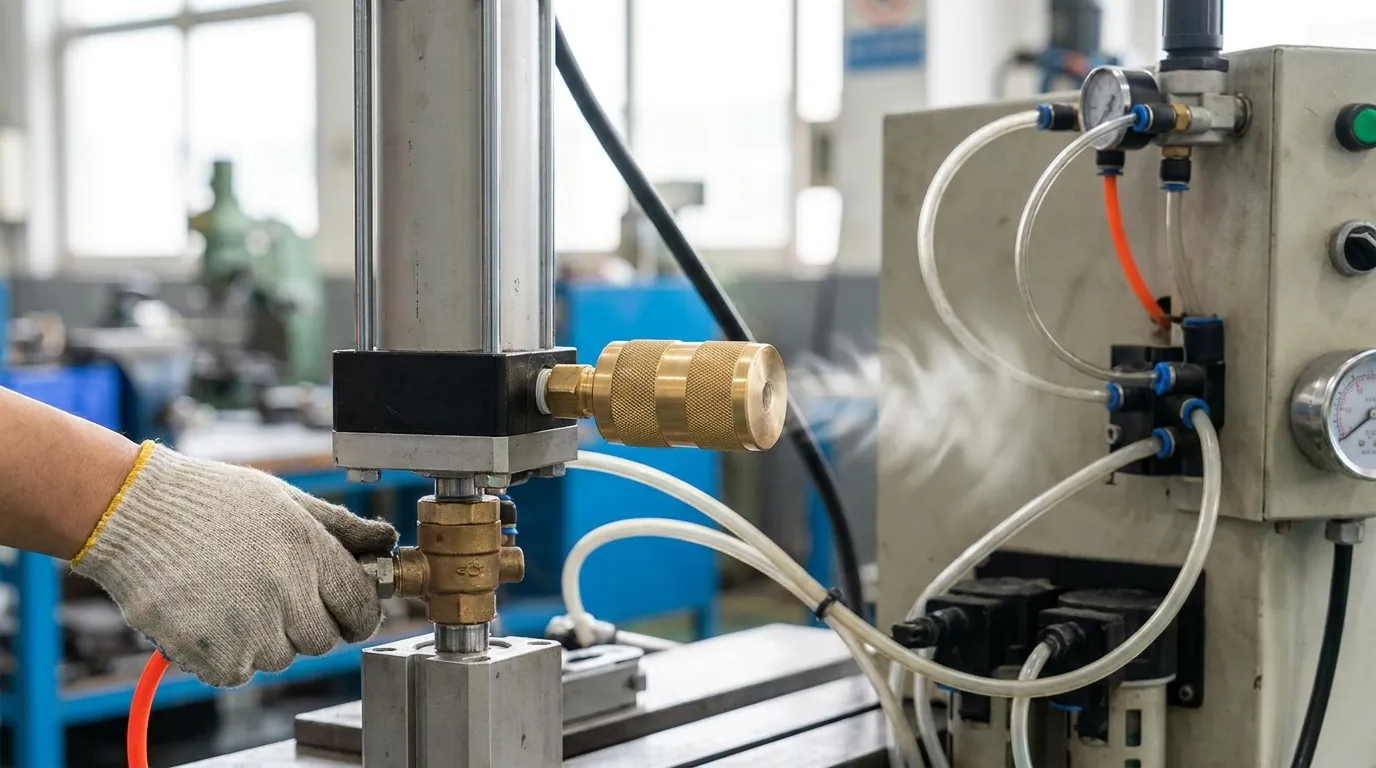
State the function of muffler in pneumatic system and the clearest answer is this: a pneumatic muffler reduces the noise created when compressed air exhaust leaves a valve, cylinder, motor, or other pneumatic component, while also helping improve operator comfort, support industrial noise control, and manage airflow more safely at the exhaust port. In many manuals and catalogs, this part is also called a pneumatic silencer or pneumatic muffler silencer. Across current engineering and supplier sources, that core function stays consistent even when the wording changes.
A lot of people search this topic because they want more than a one-line definition. They want to know what is a pneumatic muffler, how do pneumatic silencers work, where the part is installed, whether it causes back pressure, and how to choose the right one for a real machine. That is where the topic becomes more interesting. A muffler is not just a comfort accessory. In real pneumatic systems, it can affect noise reduction, flow capacity, pressure drop, maintenance needs, and even how smoothly a cylinder or valve performs.
What Is a Pneumatic Muffler?
A pneumatic muffler is a small device attached to the outlet port or exhaust port of a pneumatic component to quiet the release of air. When compressed air exits a system quickly, it creates turbulence and sharp sound waves. The muffler softens that discharge by giving the air a more controlled escape path. This is why many sources describe it as a device that lets air vent to atmosphere more safely and more quietly.
You will also see the terms pneumatic silencer, pneumatic exhaust muffler, and sometimes exhaust silencer for solenoid valve. In practice, muffler vs silencer in pneumatics is mostly a terminology difference rather than a major functional difference. Both refer to a component designed to reduce the sound created by air exhaust. Some designs also help limit the discharge of contaminants or oil mist, depending on the application and material.
Most mufflers are installed on pneumatic valves, pneumatic cylinders, pneumatic motors, and air-powered tools. Common connection styles include threaded versions for NPT, BSP, or metric ports, as well as push-in styles. The right choice depends on exhaust flow, thread type, environment, and the level of noise suppression required.
Main Function of a Muffler in a Pneumatic System
The function of muffler in pneumatic system starts with one job above all others: noise reduction. When compressed air is released rapidly from a valve or cylinder, the sudden expansion can create loud exhaust noise. Some industrial sources describe untreated pneumatic exhaust in the range of 90–110 dB, while better-controlled systems can bring levels closer to 70–85 dB, depending on equipment, flow, and muffler design. That matters because workplace hearing safety standards such as OSHA’s noise rules make sound control a real operational issue, not just a comfort issue.
But the purpose of muffler in pneumatic system does not stop at making the area quieter. A muffler also helps improve the overall work environment. A machine that vents air with a harsh burst all day can create worker fatigue, communication problems, and unnecessary stress around automated lines. In packaging, robotics, production lines, and general industrial automation, reducing repeated exhaust bursts can noticeably improve day-to-day usability.
A third function is more technical. Some mufflers are designed to support cleaner discharge by reducing the spread of fine oil mist or airborne particles. That is why certain pages pair filters and mufflers together. So if someone asks, why pneumatic systems need mufflers, the answer is broader than “to make less noise.” The more complete answer is that mufflers help with noise control, safer exhaust handling, machine usability, and, in some designs, better contaminant management.
How a Pneumatic Muffler Works
If you are wondering, how do pneumatic mufflers work and why are they critical for industrial noise control, the simplest explanation is that they slow and spread out the escaping air. Instead of letting compressed air burst directly into open space, the muffler guides it through internal baffles, chambers, porous material, or a diffuser structure. That extra path breaks up the turbulent blast and reduces the energy of the sound.
Many designs use sintered bronze, stainless steel, brass, or durable plastic elements. A porous sintered element has a large internal surface area, which helps distribute the airflow through many tiny paths instead of one violent exhaust burst. Some sources describe this as turning part of the sound energy into heat through friction and controlled flow. Others emphasize expansion chambers, flow paths, or even a two chamber system that lowers exhaust intensity before the air fully exits.
That is the real working principle of pneumatic muffler design: it controls air release, reduces turbulent air, and weakens sound waves before they reach the surrounding workspace. More advanced designs may target broadband reduction or better performance across high frequencies, mid frequencies, and low frequencies. In simple terms, the muffler makes the air leave the system in a calmer, less violent way.
You can think of it like this: compressed air leaving a port without a muffler behaves like a quick burst through an open hole. Add a muffler, and that same air is forced through a controlled route that spreads the flow, softens the pressure change, and lowers the sharp crack of exhaust noise. That is why the role of muffler in pneumatic system is both mechanical and acoustic at the same time.
Practical quote-style takeaway: A pneumatic muffler works by giving exhaust air a controlled air escape path instead of a sudden uncontrolled burst. That single change is what makes it so effective for industrial noise control.
Where the Muffler Is Installed in a Pneumatic System
A common question is, where is a muffler installed in a pneumatic circuit. In most cases, it is installed directly on the exhaust port of the device that is venting air. That could be a 5/2-way solenoid valve, a 4/2-way pneumatic valve, a cylinder control valve, a pneumatic motor, or another air-powered component. The point is always the same: the muffler goes where the air leaves the system.
This detail matters because muffler placement in pneumatic system affects both sound control and performance. A well-placed muffler reduces exhaust noise right at the source. A poorly chosen or poorly placed muffler may still reduce sound, but it can also create unnecessary back pressure if it is too restrictive for the application. That is why installation is not just about making the threads fit. It is about matching the muffler to the port, flow, and duty conditions.
How Mufflers Affect Back Pressure, Flow, and Performance
One of the most important things competitors discuss is the balance between noise reduction and airflow. A muffler cannot magically silence exhaust without influencing the exhaust path at all. Whenever air moves through porous materials, flow paths, or expansion chambers, there is some resistance. The goal is to get strong noise control with minimal back pressure to prevent cylinder speed reduction and other performance problems.
This is where flow capacity becomes essential. If a muffler is sized correctly, the pressure drop can stay low while still achieving useful sound attenuation. Some sources mention targets such as less than 2 PSI pressure drop for better-performing solutions, while more restrictive conditions may create 2–8 PSI pressure drop or even 5–15 PSI pressure drop. Those numbers vary by flow demand and product design, but the principle is clear: too much exhaust restriction can slow system response.
That leads to a very practical question: does a pneumatic muffler affect cylinder speed? Yes, it can. If the muffler is clogged, undersized, or mismatched, exhaust air cannot leave fast enough. That can reduce actuator speed, delay valve response, and create the symptoms of high back pressure in pneumatic system operation. Machines may feel sluggish, the exhaust note may change, and in severe cases downtime risk increases.
Here is a simple table that explains the tradeoff:
| Condition | Noise Level | Flow / Back Pressure Effect | System Result |
|---|---|---|---|
| No muffler | High | No muffler restriction, but uncontrolled exhaust | Loud operation, poor comfort |
| Correctly sized muffler | Lower | Controlled flow with acceptable pressure drop | Good balance of noise and performance |
| Undersized or clogged muffler | May rise again over time | Higher back pressure, reduced exhaust speed | Slower cylinder response, more maintenance risk |
This is why exhaust restriction in pneumatic systems must be handled carefully. A good muffler is not simply the quietest one on paper. It is the one that delivers the best optimal combination of flow capacity and noise reduction for the specific application.
Types of Pneumatic Mufflers and Common Materials
There is no single muffler for every job. Current competitor pages reference basic expansion mufflers, sintered element mufflers, multi-stage mufflers, and adjustable flow designs. Some are shaped as cone, flat, or cylindrical forms. Others combine sound reduction with filtering or more specialized exhaust handling.
The most common material names you will encounter are sintered bronze, stainless steel, brass, and plastic. Sintered bronze is popular because it offers porous structure and useful sound control at a practical cost. Stainless steel is often chosen where corrosion resistance or tougher environments matter. Plastic options can be lighter and cost-effective for less severe conditions. The right answer depends on pressure, contamination, temperature, and mechanical exposure. Some sources list broad environmental ranges such as -40°C to 200°C or even -200°C to 800°C for certain materials and designs, though exact limits depend on product type.
A short material comparison helps:
| Material | Best For | Strength | Watch Out For |
|---|---|---|---|
| Sintered bronze | General industrial use | Good sound control, common choice | May clog in dirty environments |
| Stainless steel | Harsh or corrosive settings | Strong durability and resistance | Usually higher cost |
| Brass | Standard pneumatic fittings and ports | Solid practicality | Not ideal for every chemical environment |
| Plastic | Light-duty or cost-sensitive uses | Lightweight, economical | Lower robustness in demanding conditions |
This is where keywords like bronze vs stainless steel pneumatic muffler and best pneumatic muffler material for industrial applications naturally fit. Different materials can change service life, clogging behavior, and suitability for specific lines or machines.
Maintenance, Clogging, and Replacement Signs
A muffler can only do its job well when it stays open enough to pass exhaust air correctly. Over time, dust, oil mist, residue, and process contaminants can build up inside the porous structure or internal filter. When that happens, the muffler may become a blocked muffler, and performance starts to change.
The most useful signs of clogged pneumatic muffler are easy to spot if you know what to watch for. The machine may sound different. Cylinder movement may become slower. Exhaust may feel weaker or more uneven. In some cases, line performance drops and operators begin to notice delay, vibration, or extra noise spikes. This is why pneumatic muffler troubleshooting should be part of normal maintenance, especially in dirty or oil-heavy systems.
Some manufacturers highlight built-in warning indicators, while others stress routine inspection. A sensible maintenance checklist for pneumatic muffler includes checking for visible contamination, watching for unusual exhaust sound, monitoring actuator speed, and replacing mufflers that no longer pass air properly. Sources discussing industrial noise management also mention practices like quarterly noise surveys and annual comprehensive testing in broader plant programs.
Ignoring a clogged muffler can create more than a noise problem. It can increase machine downtime, raise operating frustration, and add indirect costs. Some vendor content frames this in financial terms by linking neglected exhaust components to avoidable downtime expense. So the advantages of pneumatic silencer use only hold when the silencer is maintained or replaced at the right time.
How to Choose the Right Pneumatic Muffler
A useful pneumatic muffler selection guide starts with a few simple questions. What is the thread type: NPT, BSP, or metric? What is the port size? How much exhaust flow must the muffler handle? What noise level reduction is needed? Is the exhaust dirty, oily, or clean? These practical details matter more than marketing language.
You should also think about operating pressure and environment. Some sources discuss conditions such as 5 bar supply pressure or systems rated up to 10 bar and up to 20 bar. The exact rating depends on the part, but the broader lesson is simple: do not choose a muffler only because it fits the thread. Choose one that fits the flow and duty as well.
If you want a practical approach to how to choose a pneumatic muffler, focus on these factors in order: port compatibility, flow capacity, noise target, material, and maintenance needs. That keeps the decision grounded. The best muffler is the one that reduces sound without creating a performance bottleneck.
Practical Applications and a Short Case Example
Pneumatic muffler applications are common in packaging machines, automated production lines, air-driven tools, pneumatic cylinders, valves, and broader manufacturing environments. In these systems, exhaust events happen again and again, sometimes thousands of times per shift. That makes even a small improvement in exhaust sound meaningful over time.
Imagine a packaging line where operators repeatedly hear sharp exhaust bursts from valve stations. Installing a correctly sized muffler on each exhaust point will not redesign the whole system, but it can noticeably reduce repeated sound exposure and make communication easier around the line. If the mufflers are maintained properly, the plant gets quieter operation without sacrificing cycle performance. That is the practical side of industrial hearing protection and pneumatic exhaust planning.
Short Answer: State the Function of Muffler in Pneumatic System
Here is the exam-style answer many readers want:
A muffler in a pneumatic system is used to reduce the noise produced when compressed air is exhausted from the system. It is fitted at the exhaust port and helps the air leave in a more controlled way, improving noise control, operator comfort, and overall system usability.
That is the direct short answer function of muffler in pneumatic system. A more complete answer adds that the muffler may also reduce the discharge of contaminants and must be selected carefully to avoid too much back pressure.
Muffler vs Other Pneumatic Noise Reduction Methods
A muffler is one of the easiest and most direct ways to handle valve exhaust noise, but it is not the only method. Other strategies include lowering pressure where possible, redesigning exhaust routing, isolating noisy components, or using broader enclosure solutions. Those methods can help, but they are often more complex or more expensive than fitting the right muffler at the source. This is why pneumatic exhaust noise reduction methods often start with the exhaust port first.
There is also an efficiency angle. Poor exhaust management can contribute to compressed air waste reduction efforts by making operators ignore system inefficiencies until performance suffers. A well-selected muffler does not solve every air-efficiency problem, but it supports better exhaust control and makes the system easier to monitor and maintain. That can strengthen broader plant efforts around energy efficiency in pneumatic exhaust. This last point is more of an engineering inference from the performance and maintenance issues described by suppliers than a direct claim of energy savings from the muffler alone.
Frequently Asked Questions
Does a pneumatic muffler reduce pressure?
Not in the same way a regulator reduces supply pressure, but it can create pressure drop on the exhaust side. A well-sized muffler keeps that effect low.
Can a muffler slow down a cylinder?
Yes, especially if it is clogged or undersized. Too much exhaust restriction can reduce cylinder speed and response.
What is the difference between a muffler and a silencer?
In pneumatic systems, the terms are usually used interchangeably. Both refer to a device that reduces exhaust sound.
Which material is best for a pneumatic muffler?
It depends on the application. Sintered bronze is common for general use, while stainless steel is better for harsher environments.
How often should a pneumatic muffler be replaced?
There is no single schedule for every plant. Replace it when clogging, rising back pressure, slower performance, or poor sound control show that it is no longer working properly.
Conclusion
The full function of muffler in pneumatic system is to reduce the loud sound of exhausting compressed air by controlling how that air leaves the exhaust port. In real use, that simple function connects to bigger benefits like better noise reduction, improved operator comfort, easier OSHA-aligned noise management, and more controlled exhaust behavior. At the same time, a muffler must be correctly selected and maintained so it does not create excess back pressure or unnecessary pressure drop.
So, if someone asks, what is the function of a muffler in a pneumatic system, the best complete answer is this: it quiets compressed air exhaust, supports a safer and more comfortable work area, and helps pneumatic components vent air in a more controlled way. Choose the right type, install it on the correct port, and replace clogged units promptly, and the muffler becomes a small part with a very important job.
Disclaimer: