
 By Admin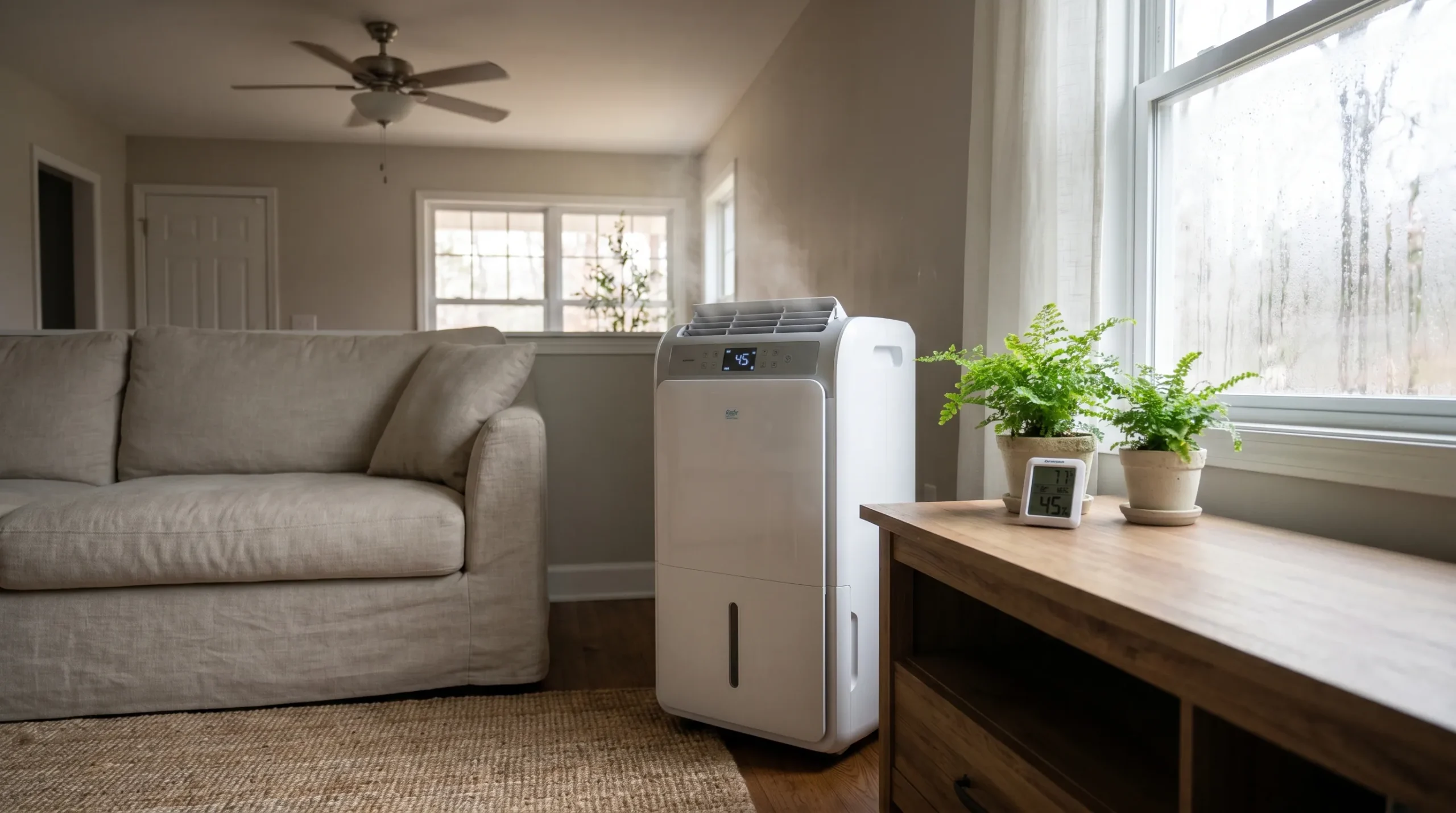
How to decrease humidity in the house is a question many homeowners ask when the air feels sticky, the windows start showing condensation, and rooms develop a musty smell that never seems to go away. High indoor humidity does more than make a home uncomfortable. It can lead to mold and mildew, worsen allergies and asthma, encourage dust mites, and even damage wood floors, paint, furniture, and parts of your home’s structure over time.
The good news is that most humidity problems can be improved once you know the real cause. Sometimes the fix is simple, like using exhaust fans, drying clothes outside, or improving air circulation. In other cases, the problem comes from leaks, poor ventilation, crawlspaces, basements, or even an HVAC system that cools the house without removing enough moisture.
In most homes, the ideal relative humidity sits around 30% to 50%. When indoor levels stay above 60%, the risk of condensation, mold growth, and moisture damage increases. If your goal is to create a healthy indoor climate, reduce odors, and protect your home, the best strategy is to combine quick fixes with long-term moisture control.
What Indoor Humidity Should Be in a Home?
Before you try to reduce indoor humidity, it helps to know what “normal” looks like. For most homes, a healthy indoor range is 30% to 50% relative humidity. Some sources allow a slightly broader zone, such as between 30 and 65%, but for comfort and mold prevention, staying under 50% is usually the safer target.
If humidity is around 35% to 45%, many homes feel comfortable without becoming too dry. Once levels climb past 60%, you may notice musty smells, damp air, foggy windows, and surfaces that never seem to dry fully. On the other hand, levels that stay too low can make skin dry and irritate airways, especially in winter.
A simple way to think about it is this: the best humidity level in your home is the one that keeps the air comfortable without feeding mildew, dust mites, or window condensation. If you have been wondering, is 60% humidity too high indoors? In most cases, yes. It may not cause instant damage, but if it stays there for long, it creates the right conditions for moisture-related problems.
Signs Your House Has Too Much Humidity
A lot of people do not realize they have a moisture issue until the signs become obvious. One of the first clues is often a musty smell. That stale, damp odor usually means moisture has started building up in soft materials, closets, corners, or areas with weak airflow.
Another common sign is window condensation. If you regularly see water forming on window glass, mirrors, or cold walls, your house may be holding too much moisture. Peeling paint, swollen trim, soft drywall, and warped wood floors can also point to persistent humidity. In severe cases, you may see visible mold or mildew around vents, bathrooms, basements, and window frames.
Some symptoms are less visible but still important. Poor air quality, increased sneezing, worsening allergies, or more dust mite activity can all relate to humidity that is too high. Sticky air, clammy bedding, damp towels that stay wet for hours, and rooms that feel stuffy even when clean are also red flags.
If you are asking how to know if your house has high humidity, look for patterns rather than a single sign. When musty odors, moisture on windows, slow drying, and a generally damp feeling happen together, excess indoor humidity is often the real issue.
What Causes High Humidity in a House?
To solve the problem, you need to understand what causes high humidity in a house. In many homes, the answer is not just one thing. It is usually a mix of everyday moisture sources, poor airflow, and hidden building issues.
Daily living adds a surprising amount of water vapour to the air. Cooking, boiling water, showers, and even breathing and sweat release moisture. Drying clothes indoors adds even more. A busy household can raise indoor humidity quickly, especially if windows stay closed and ventilation is poor.
Another major cause is weak air movement. Bathrooms without strong exhaust fans, kitchens without proper venting, and closed rooms with little air circulation trap moisture. If your house feels damp at night, the issue may be even worse because windows are closed, airflow drops, and cooler surfaces collect condensation.
Then there are structural sources. Leaky pipes, roof issues, leaks and seepage, damp basement floors, wet crawlspaces, and poor drainage around the home can quietly feed humidity for months. Even small amounts of hidden water can keep moisture levels elevated.
Many homeowners also ask, why is my house humid even with the AC running? One reason is that the air conditioner may be oversized. An oversized unit cools the house too fast, which can cause AC short cycling and humidity problems. The temperature drops, but the system does not run long enough to remove much moisture. So the house feels cool, but still damp.
How to Measure Humidity in Your House Before Fixing It
If you really want to control moisture in your home, start by measuring it. Guessing is not enough. The easiest tool is a hygrometer, which shows relative humidity in real time. Many models are small, affordable, and accurate enough for home use.
Place one in the areas where humidity seems worst, such as the bathroom, basement, bedroom, or near windows that collect condensation. If possible, use more than one. Humidity is not always the same in every room. A basement might sit above 60%, while the rest of the house is closer to 45%.
Check readings in the morning, afternoon, and evening for a few days. That gives you a much better picture than a single reading. If a room stays above the 30% to 50% range, it needs attention. If one room is much more humid than the others, the issue may be local, such as a leak, poor airflow, or moisture from daily activities.
A simple indoor humidity chart or notebook can help you spot patterns. This turns a vague problem into a clear troubleshooting process.
How to Decrease Humidity in the House Fast
When you need relief quickly, focus on actions that remove moisture or stop adding more. If you are searching for how to lower humidity in the house fast, start with the rooms creating the most steam and moisture.
Turn on exhaust fans in the kitchen and bathrooms right away. After showers, let the fan run for about 20 minutes, or at least 5–20 minutes if your fan is strong and the room is small. Open interior doors so trapped moisture can move toward better-ventilated areas. Use ceiling fans or portable fans to increase airflow, but remember that fans alone do not remove moisture. They simply help move air to where it can be vented or dried.
Stop moisture-heavy activities for a while. Avoid drying clothes indoors, keep pot lids on while cooking, and wipe wet bathroom walls or shower doors after use. If the outdoor air is drier, create cross-ventilation for 5–10 minutes. But do not open windows just because it feels hot. If outdoor humidity is high, that can make the problem worse.
If you have a portable dehumidifier, run it in the dampest room first. Fast results usually come from a mix of ventilation, moisture reduction, and mechanical drying rather than one trick alone.
How to Reduce Humidity Without a Dehumidifier
Not every humidity problem requires a machine. If you want to know how to lower humidity without a dehumidifier, start with the basics that reduce moisture at the source.
Better ventilation is the first move. Use bathroom and kitchen fans consistently. Open windows only when the outdoor air is actually drier. Dry clothes outside when possible. Keep furniture a little away from exterior walls so air can move behind it. Avoid overwatering houseplants, since plants and damp soil both release moisture.
Some people use charcoal, rock salt, baking soda, cat litter, or silica gel packs to absorb moisture. These can help in very small spaces like closets, cabinets, or storage corners, but they are not whole-house solutions. Think of them as support tools, not replacements for proper home moisture control.
If you are trying natural ways to absorb moisture in a room, focus first on airflow, daily habits, and source control. That is almost always more effective than bowls of absorbent material sitting in a corner.
Best Long-Term Ways to Lower Indoor Humidity
Quick fixes help, but lasting results come from solving the reason moisture is building up. The best way to reduce indoor humidity long term is to work in layers.
First, fix water entry problems. Even a small roof issue or hidden plumbing leak can keep humidity high. Repair leaky pipes, check under sinks, inspect the roof, and look for damp areas in basements, crawlspaces, and around windows. If you have a damp crawlspace, crawl space encapsulation or a vapor barrier may make a major difference.
Second, improve ventilation where moisture is created. Kitchens, bathrooms, and laundry areas should vent outside, not into the attic or another room. Make sure your clothes dryer is vented outdoors. Good ventilation fans reduce moisture before it spreads through the house.
Third, use the right drying equipment. A properly sized dehumidifier can be extremely effective. In a larger home, a whole-house system may work better than a small portable unit. If one room stays damp despite other changes, the unit may simply be too small for the space.
Fourth, strengthen the building envelope. Weatherstripping, caulking, better insulation, and sealing gaps around windows and doors help prevent warm indoor air from hitting cold surfaces where condensation forms. This is especially important in winter.
Finally, adopt daily habits that lower moisture. Shorter showers, using lids while cooking, drying clothes outside, and keeping wet items out of closed rooms all help keep indoor humidity below 50%.
Dehumidifier vs. AC: Which Works Better?
Many people assume the air conditioner alone will fix humidity, but that is not always true. AC and dehumidifiers both remove moisture, but they do it in different ways.
An air conditioner cools the air and removes some moisture as a side effect. In hot humid climates, this can work well if the system is sized correctly and runs long enough. But if the AC is too large, it may cool quickly and shut off before it removes enough moisture. That is one reason a house can feel chilly and damp at the same time.
A dehumidifier is designed specifically to remove water from the air. It usually works better when your main problem is moisture rather than heat. If you are comparing a whole-house dehumidifier vs portable dehumidifier, the portable option is good for one problem room, while the whole-house setup is better for ongoing humidity issues across several areas.
In short, AC is helpful, but it is not always enough. If you are serious about how to use AC to reduce indoor humidity, make sure the system is properly sized, filters are clean, airflow is balanced, and the unit is not short cycling.
Room-by-Room Fixes for Common Trouble Spots
Some humidity problems are local, which is why room-by-room troubleshooting matters. In the bathroom, the fix is often simple: use the fan every time, keep it running after showers, wipe wet surfaces, and check for hidden leaks around tubs and sinks.
In the kitchen, steam from cooking is a major issue. Use the range hood, cover pots, and avoid letting steam drift through the house. In the laundry room, stop drying clothes indoors if possible. If you must, make sure the area has strong ventilation.
The basement and cellar are different. Moisture there often comes from cool surfaces, weak airflow, and ground moisture. A dehumidifier, better drainage, sealing cracks, and sometimes a vapor barrier are usually more effective than simply opening a window.
In the bedroom, humidity often builds from breathing, closed doors, and poor air movement. If the room feels clammy in the morning, improve ventilation, check window condensation, and make sure furniture is not blocking airflow against exterior walls.
In crawlspaces, moisture control is often structural. If that zone stays damp, the solution may involve encapsulation, ground covers, sealing, and professional help.
How to Reduce Humidity in Winter Without Making Condensation Worse
Winter humidity can be confusing because the air outside feels dry, yet you may still see water on the windows. That happens because warm indoor air meets cold surfaces like glass, poorly insulated walls, and frames. The result is window condensation, even when the overall air does not feel tropical.
If you are looking for how to reduce humidity in winter, keep indoor moisture in check but also improve insulation and sealing. Weatherstripping, better windows, and addressing thermal bridging can help keep surfaces warmer. In very cold conditions, such as 0°F, -10°F, or -20°F, even moderate indoor humidity can create condensation on cold glass.
Do not keep windows permanently cracked open in freezing weather. Short bursts of ventilation work better than leaving the home chilly for hours. In winter, the goal is to balance moisture, temperature, and surface warmth.
Common Mistakes That Make Indoor Humidity Worse
A lot of homeowners unintentionally make the problem bigger. One of the most common mistakes is opening windows when outdoor humidity is high. Another is assuming that a cold house cannot also be a damp house.
Other mistakes include ignoring small leaks, overwatering plants, drying clothes indoors, storing damp shoes or towels in closed areas, and never using exhaust fans. Some people rely on odor sprays when the real issue is trapped moisture causing musty odors.
Oversized AC systems are another hidden problem. They often create the feeling of comfort without actually solving indoor moisture. And when people do use a dehumidifier, they sometimes choose one that is too small, place it in the wrong room, or forget to clean it.
When High Humidity Means You Need a Professional
Sometimes DIY fixes are not enough. If humidity stays above 60% for long periods, if mold growth keeps returning, or if your HVAC system runs constantly without drying the air, it may be time to call a professional.
The same applies if you have a wet basement, a persistently damp crawlspace, visible water damage, or signs of structural damage like soft drywall, rotting trim, or recurring stains. A good HVAC technician, moisture specialist, or building professional can help determine whether the problem is equipment, ventilation, insulation, or water entry.
Quick Comparison Table: Fast Fixes vs Long-Term Solutions
| Problem | Fast Fix | Long-Term Solution |
| Bathroom steam | Run exhaust fan | Upgrade fan, improve venting |
| Musty bedroom | Increase air circulation | Check insulation, condensation, airflow |
| Damp basement | Use portable dehumidifier | Seal cracks, improve drainage, add vapor barrier |
| Humidity after cooking | Use range hood, cover pots | Improve kitchen ventilation |
| Humid whole house | Reduce moisture sources | Whole-house dehumidifier, HVAC balancing |
| Window condensation in winter | Short ventilation bursts | Better sealing, insulation, warmer glass surfaces |
A Simple Real-World Example
Imagine a homeowner whose house stays at 65% relative humidity in summer. The windows fog, towels dry slowly, and the basement smells damp. At first, they think they just need stronger air fresheners. But once they use a hygrometer, they realize the issue is bigger. They start running the bathroom fan after showers, vent the dryer outdoors, stop drying clothes inside, and place a dehumidifier in the basement. Humidity drops into the 45% to 50% range, and the odor fades within days.
That is a good reminder that the best fix is usually not one dramatic change. It is a set of smart, targeted actions.
“If your home feels cool but still damp, the problem is often moisture control, not temperature alone.”
FAQ: Common Questions About Lowering House Humidity
Is 60% humidity too high indoors?
Yes, in most homes 60% humidity is high enough to support mold, mildew, and dust mites if it lasts for long periods.
What humidity level causes mold?
There is no perfect single number for every home, but the risk rises when humidity stays above 60%, especially on cool surfaces or in low-airflow areas.
Should you open windows when humidity is high?
Not always. If outdoor air is more humid than indoor air, opening windows can make the problem worse.
How long does it take to lower humidity in a house?
Small improvements can happen within hours, especially with good ventilation and a dehumidifier. Long-term control may take days or weeks if leaks, insulation, or structural issues are involved.
Can baking soda or charcoal really reduce moisture?
They can help in very small spaces, but they are not strong enough for serious whole-room or whole-house humidity problems.
Final Thoughts
Learning how to decrease humidity in the house is really about learning how moisture moves through your home. Once you understand that, the solution becomes much clearer. Start by measuring humidity, aim for 30% to 50%, reduce moisture at the source, improve ventilation, and use the right equipment when needed.
If your home still feels damp after the basics, look deeper at HVAC, crawlspaces, insulation, and leaks. The most effective strategy is never just masking the symptom. It is fixing the reason the moisture is there in the first place.
Disclaimer:
This article is for general informational purposes only and does not replace professional home, HVAC, or building advice. Indoor humidity, mold risk, ventilation effectiveness, and dehumidification methods can vary by home layout, climate, and equipment, so homeowners should assess conditions carefully and consult qualified professionals if persistent moisture or structural issues occur.