
 By Admin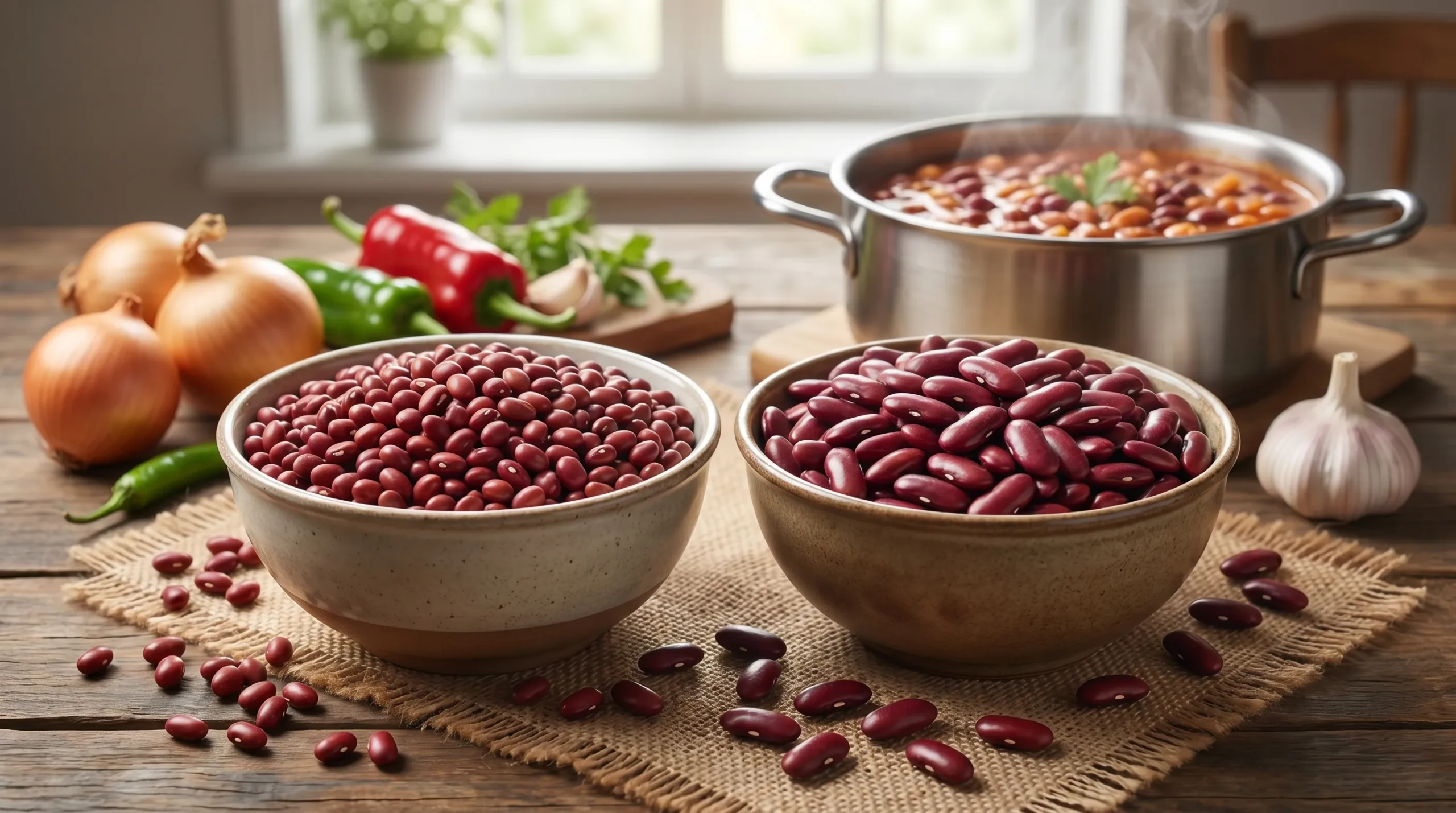
Are red beans and kidney beans the same is a common question because both beans are red, both are used in hearty meals, and both often appear in dishes like rice and beans, soups, stews, and chili. The simple answer is: no, red beans and kidney beans are not exactly the same.
They are both legumes, and they can sometimes be used in similar recipes, but they differ in size, shape, color, taste, texture, cooking behavior, and traditional uses. Red beans are usually smaller, softer, and creamier when cooked. Kidney beans are larger, firmer, and shaped like a kidney.
This guide explains the full difference between red beans and kidney beans in a simple, kitchen-friendly way. You will learn how to tell them apart, when substitution works, which bean is better for recipes like red beans and rice or chili, and what to know about nutrition, canned beans, dried beans, and cooking safety.
Quick Answer: Are Red Beans and Kidney Beans the Same?
No, red beans and kidney beans are not the same thing. They are similar because both are red-colored beans and both belong to the larger family of edible legumes, but they are different types of beans.
Red beans are usually smaller, oval-shaped, and lighter red. They often have a mild flavor, a slightly nutty taste, and a creamy texture when cooked. They are commonly used in Louisiana red beans and rice, Caribbean cooking, Latin American cuisine, and simple pantry meals.
Kidney beans are larger, darker, and shaped like a human kidney. They have a firmer bite, thicker skin, and a stronger earthy flavor. They are often used in chili, chili con carne, rajma, kidney bean curry, bean salads, and stews.
So, when people ask “are red beans and kidney beans the same thing?”, the best answer is: they are similar enough to substitute in some recipes, but they are not identical. The best choice depends on the dish, texture, and cooking method.
Red Beans vs Kidney Beans Comparison Chart
Here is a quick red beans vs kidney beans chart to make the comparison easier.
| Feature | Red Beans | Kidney Beans |
| Size | Smaller | Larger |
| Shape | Oval or rounded | Kidney-shaped |
| Color | Pinkish-red to bright red | Light red or dark red |
| Skin | Thinner skin | Thicker, smoother skin |
| Texture | Soft and creamy | Firm and meaty |
| Flavor | Mild, slightly sweet, nutty | Earthy, richer, stronger |
| Best Uses | Red beans and rice, soups, stews | Chili, curries, salads, hearty stews |
| Cooking Behavior | Softens more easily | Holds shape better |
| Substitution | Good for creamy dishes | Good for firm, hearty dishes |
The biggest difference between red beans and kidney beans is texture. If you want a soft, creamy dish, red beans are often better. If you want beans that stay firm after long cooking, kidney beans are usually the stronger choice.
What Are Red Beans?
Red beans usually refer to small red beans, especially in American grocery stores and Southern cooking. They are smaller than kidney beans and often have a soft, smooth texture after cooking.
Red beans are popular because they absorb flavors well. When cooked with white rice, Cajun seasoning, Creole seasoning, onions, peppers, herbs, spices, andouille sausage, or smoked ham hock, they become creamy and flavorful. This is one reason they are strongly linked to New Orleans red beans and rice and Louisiana cooking.
Red beans have a gentle flavor. They are usually described as mild, slightly sweet, and a little nutty. Their soft texture makes them useful in soups, stews, and comfort food recipes.
One important note: the phrase “red beans” can mean different things in different cuisines. In some Asian dishes, “red beans” may refer to adzuki beans, which are different from kidney beans and are often used in Japanese red bean paste, red bean soup, and sweet desserts. That is why recipe context matters.
What Are Kidney Beans?
Kidney beans are larger beans named for their kidney-like shape. They are usually sold as dark red kidney beans or light red kidney beans. Both are common in grocery stores, and both are widely used in hearty recipes.
Kidney beans belong to the Phaseolus vulgaris family, often called the common bean family. They have a firm texture and thick skin, which helps them hold their shape during longer cooking. This makes them a strong choice for chili, chili con carne, bean salads, stews, and curries.
In Indian cuisine, kidney beans are the main bean used in rajma, also called Indian kidney bean curry. In many Caribbean dishes, kidney beans may also appear in rice dishes, stews, and seasoned bean meals.
Kidney beans are nutritious, but dried kidney beans require proper cooking. Raw or undercooked kidney beans contain a natural lectin called phytohaemagglutinin, sometimes shortened to PHA. This is why dried kidney beans should be soaked and boiled correctly before eating. Canned kidney beans are already cooked, so they are much easier and safer for quick meals.
Main Differences Between Red Beans and Kidney Beans
The main differences in red beans vs kidney beans come down to appearance, flavor, texture, cooking behavior, and recipe use.
Size and Shape
Red beans are usually small, oval, or rounded. Kidney beans are larger, plumper, and curved like a kidney. If you place them side by side, kidney beans are easier to identify because of their distinct shape.
This is one of the easiest ways to understand small red beans vs kidney beans. If the bean is small and oval, it is likely a red bean. If it is larger and clearly kidney-shaped, it is probably a kidney bean.
Color and Skin
Red beans are often brighter or more pinkish-red. Kidney beans may be dark red, light red, or deep crimson. Kidney beans also tend to have a thicker, smoother skin, while red beans have thinner skin.
That thicker skin helps kidney beans stay firm in dishes like chili. Red beans, with their thinner skin, usually break down more easily and create a creamier texture.
Taste and Texture
Red beans have a mild flavor, soft bite, and slightly sweet or nutty taste. Kidney beans have a more earthy flavor and a firmer, meatier texture.
This matters when choosing beans for recipes. For a creamy dish, red beans are usually better. For a dish where the beans need to hold their shape, kidney beans are often better.
Cooking Behavior
Red beans generally soften more easily. Kidney beans stay firmer during long cooking, which is helpful in chili, stews, and curries. However, dried kidney beans need more attention because they must be boiled properly for food safety.
Small Red Beans vs Red Kidney Beans vs Adzuki Beans
One reason people get confused is that “red beans” can mean different things depending on the country, recipe, or grocery store.
Small red beans are the beans often used in Louisiana red beans and rice. They are small, creamy, and good at absorbing seasoning. They work well with Cajun cuisine, Creole cuisine, and slow-cooked rice dishes.
Red kidney beans are larger, firmer, and more common in chili, rajma, and bean salads. They can be used in red beans and rice, but the result may be less creamy and more firm.
Adzuki beans are different again. They belong to Vigna angularis and are common in Japanese cuisine and some other Asian cuisines. They are often used in sweet dishes like Japanese red bean paste and red bean soup.
So, are red beans adzuki beans? Not always. In many U.S. recipes, red beans usually mean small red beans. In Japanese-style recipes, red beans may mean adzuki beans. This is why you should always check the recipe context before buying or substituting beans.
Can You Substitute Red Beans for Kidney Beans?
Yes, you can often substitute red beans for kidney beans, but the result may not be exactly the same. The substitution works best in casual meals where texture is flexible, such as soups, stews, rice dishes, and simple bean bowls.
If you use red beans instead of kidney beans, the dish may become softer and creamier. This can be good in soups, stews, and rice dishes. But in chili or salads, red beans may not hold their shape as well as kidney beans.
If you use kidney beans instead of red beans, the dish may be firmer and heartier. This can work well in chili, curries, and stews. But in traditional red beans and rice, kidney beans may not create the same creamy texture as small red beans.
Canned beans are easier to substitute because they are already cooked. Dried beans require more planning because cooking times can vary. Kidney beans also need proper boiling, especially when cooked from dry.
A simple rule is this: choose red beans for creamy dishes and choose kidney beans for firm, hearty dishes.
Best Uses: Red Beans and Rice, Chili, Soups, and Curries
The best bean depends on what you are cooking.
For red beans and rice, small red beans are often the better choice. They cook down into a creamy texture and absorb seasonings like Cajun seasoning, Creole seasoning, bay leaves, onions, peppers, and smoked meats. In New Orleans and Louisiana, red beans and rice is a classic comfort food, and small red beans are closely tied to that tradition.
For chili and chili con carne, kidney beans are often preferred. Their thick skin and firm texture help them stay whole during long simmering. If you like a chunky, hearty chili, kidney beans are a strong choice.
For soups and stews, both beans can work. Red beans create a softer, creamier result, while kidney beans keep more shape. If the recipe is rustic and thick, red beans may blend in beautifully. If the recipe needs structure, kidney beans may be better.
For curries, especially rajma, kidney beans are the traditional choice. They work well with ginger, ghee, chile peppers, spices, and rice or roti. In Caribbean cooking, both red beans and kidney beans may appear in seasoned rice dishes, stews, and rice and peas.
Nutrition Comparison: Which Is Healthier?
Both red beans and kidney beans are nutritious foods. They are good sources of plant-based protein, dietary fiber, complex carbohydrates, iron, folate, magnesium, potassium, and antioxidants.
A typical serving of cooked beans can provide meaningful amounts of protein and fiber, which may help with fullness, digestion, and balanced meals. Beans are also naturally low in fat and can fit into vegetarian, vegan, and gluten-free eating patterns.
Kidney beans may be slightly higher in some nutrients depending on the serving size and source. For example, some comparisons list around 8 grams protein in a serving of cooked red beans and around 9 grams protein in cooked kidney beans. Fiber may also vary, with examples around 6.5 grams fiber for red beans and 8.5 grams fiber for kidney beans per serving.
But the healthiest choice is not only about the bean type. It also depends on how the beans are prepared. A bowl of beans cooked with vegetables, herbs, and moderate salt is different from beans cooked with lots of processed meat or heavy seasoning.
If you are watching sodium, choose low-sodium canned beans or no-salt-added canned beans, and rinse them before use. If you want more control over texture and seasoning, dried beans are a good option.
Canned vs Dried Red Beans and Kidney Beans
Both canned beans and dried beans can be useful. The best choice depends on time, budget, and cooking goals.
Canned red beans and canned kidney beans are already cooked. This makes them convenient for quick meals. You can drain and rinse them, then add them to soups, chili, rice dishes, salads, or meal prep bowls. Canned beans are helpful when you want dinner fast.
Dried beans usually cost less and allow more control over texture and flavor. They are good for batch cooking, freezer-friendly meals, and pantry storage. The tradeoff is that they take longer to prepare.
Dried red beans need soaking and cooking until tender. Dried kidney beans need extra care because of lectins. They should be soaked and boiled properly before being used in recipes, especially before adding them to a slow cooker.
A useful kitchen rule is: use canned beans for speed and convenience, and use dried beans when you want better control over flavor, price, and texture.
Cooking Safety: Why Kidney Beans Need Proper Boiling
Food safety is especially important with dried kidney beans. Raw or undercooked kidney beans contain phytohaemagglutinin, a natural lectin that can cause stomach problems such as nausea, vomiting, diarrhea, and gastrointestinal distress.
This does not mean kidney beans are dangerous when cooked correctly. It simply means they need proper preparation. Dried kidney beans should be soaked, drained, and boiled before they are simmered or added to recipes. Many food safety recommendations mention boiling kidney beans for at least 10 minutes as part of safe preparation.
Be careful with slow cookers. Cooking dried kidney beans only on low heat may not be enough to reduce lectins properly. If you want to use kidney beans in a slow cooker recipe, boil them first or use canned kidney beans.
Canned kidney beans are already cooked, so they are generally ready to heat and eat after draining and rinsing. This makes canned kidney beans a safer and easier choice for beginner cooks.
How to Tell Red Beans and Kidney Beans Apart at the Store
The easiest way to tell them apart is to read the label carefully. Look for words like small red beans, red beans, dark red kidney beans, or light red kidney beans.
If you can see the beans through the bag or packaging, compare the shape. Red beans are smaller and more oval. Kidney beans are larger and curved. If the bean looks like a kidney, it is probably a kidney bean.
Also think about the recipe. If you are making Louisiana red beans and rice, small red beans are usually the better choice. If you are making chili, kidney beans are often a safer pick. If you are making rajma, use kidney beans.
Some brands, such as Camellia, sell both red beans and red kidney beans, which can make the shelf confusing. The same store may also carry beans in a Hispanic, international, or bulk section. When in doubt, choose based on recipe texture: creamy means red beans; firm and hearty means kidney beans.
Common Mistakes When Using Red Beans and Kidney Beans
A common mistake is assuming all red-hued beans are the same. They are not. Small red beans, red kidney beans, and adzuki beans can all be called red beans in different contexts, but they behave differently in recipes.
Another mistake is using kidney beans when the dish needs a creamy texture. For example, kidney beans can work in red beans and rice, but they may not break down the same way as small red beans. The dish may taste good, but it may feel less traditional and less creamy.
The opposite mistake is using red beans when the recipe needs firm beans. In chili, bean salads, and long-simmered dishes, red beans may become too soft. Kidney beans are better when you want the beans to stay whole.
Some cooks also forget that canned beans and dried beans are not the same in preparation. Canned beans are already cooked. Dried beans need soaking and cooking. Dried kidney beans need proper boiling for safety.
Finally, many people ignore regional naming. A Louisiana recipe, a Japanese dessert recipe, and an Indian curry recipe may all use the phrase “red beans” differently.
How to Reduce Gas from Red Beans and Kidney Beans
Beans are rich in fiber and certain indigestible carbohydrates, including compounds like raffinose and stachyose. These can cause gas or bloating for some people, especially if they are not used to eating high-fiber foods.
Soaking dried beans and discarding the soaking water may help some people digest them more comfortably. Rinsing canned beans can also help remove some thick bean liquid and improve taste.
It also helps to start with smaller portions. If you rarely eat beans, do not begin with a huge bowl. Add them gradually to your meals and drink enough water. Pairing beans with simple ingredients like rice, vegetables, herbs, and light seasoning may also make them easier to enjoy.
Gas does not mean beans are unhealthy. It often means your digestive system is adjusting to more dietary fiber. Over time, many people tolerate beans better when they eat them more regularly.
FAQs About Red Beans and Kidney Beans
Are red beans and kidney beans the same thing?
No. Red beans and kidney beans are similar, but they are not the same thing. Red beans are usually smaller and creamier, while kidney beans are larger, firmer, and kidney-shaped.
Can I use kidney beans instead of red beans?
Yes, you can use kidney beans instead of red beans in many recipes. However, the texture will be firmer. In red beans and rice, kidney beans may not become as creamy as small red beans.
Which beans are best for red beans and rice?
Small red beans are usually best for Louisiana red beans and rice because they soften well and create a creamy texture. Kidney beans can work, but the result may be firmer.
Are kidney beans better for chili?
Yes, kidney beans are often better for chili because they hold their shape during long cooking. Their firm texture works well in thick, hearty dishes.
Are canned red beans and kidney beans already cooked?
Yes. Canned red beans and canned kidney beans are already cooked. They usually only need to be drained, rinsed, heated, and added to your recipe.
Are red beans healthier than kidney beans?
Both are healthy choices. They provide plant-based protein, fiber, iron, folate, potassium, and other nutrients. The healthier option depends on your recipe, sodium level, serving size, and personal diet needs.
Do dried kidney beans need to be boiled?
Yes. Dried kidney beans should be boiled properly because they contain lectins, including phytohaemagglutinin. Canned kidney beans are already cooked and do not need the same preparation.
Conclusion: Red Beans and Kidney Beans Are Similar, Not Identical
So, are red beans and kidney beans the same? No, they are not exactly the same. They are both useful, nutritious, red-colored legumes, but they have different sizes, shapes, textures, flavors, and cooking uses.
Choose red beans when you want a softer, creamier dish like red beans and rice, soups, or stews. Choose kidney beans when you want a firmer bean for chili, curries, bean salads, or hearty long-cooked meals.
They can often be substituted, especially when using canned beans, but the final texture may change. The best choice depends on the recipe, the cooking method, and whether you want a creamy or firm result.
Disclaimer:
This article is for general informational purposes only and explains the basic differences between red beans and kidney beans. Cooking results, taste, texture, nutrition, and digestion may vary from person to person, so always follow proper food safety practices when preparing beans.