
 By Admin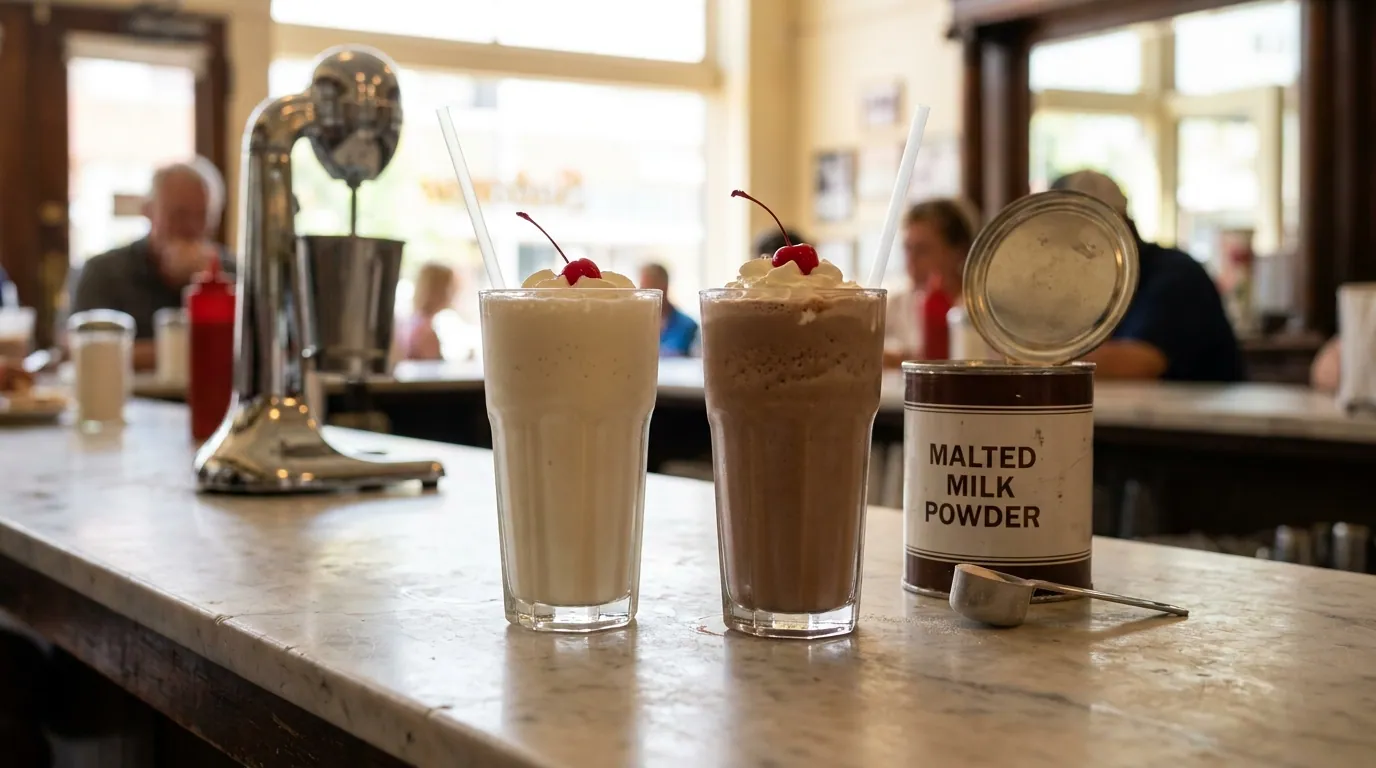
What’s the difference between a malt and a shake? The simplest answer is that a malt is basically a milkshake with malted milk powder added. That one extra ingredient changes the drink’s flavor, texture, and overall character. A regular shake is creamy, sweet, and familiar. A malt has that same ice-cream-and-milk base, but it brings a deeper, slightly toasty, nutty, almost old-fashioned soda fountain taste that many people love.
A lot of people see malt vs shake on a menu and assume they are completely different drinks. They are not. They are closely related. In fact, one of the easiest ways to think about it is this: every malt starts as a shake, but not every shake is a malt. Once you understand what malted milk powder is and what it does, the whole question becomes much easier.
In this guide, you will get a clear answer to the difference between a malt and a shake, how each one tastes, whether a malt is thicker than a shake, whether malt contains gluten, and which one you should order the next time you are standing at a burger joint, a local scoop shop, or an old-fashioned diner counter.
What Is a Shake?
A milkshake is one of the most familiar dessert drinks around. At its core, it is made with ice cream and milk, blended until smooth and creamy. From there, the possibilities open up fast. A classic vanilla shake may stay simple, while a chocolate shake might include chocolate syrup, chocolate chips, or even candy pieces. Some versions use fruit, syrups, crushed cookies, or flavor add-ins like strawberry, cookies and cream, and seasonal combinations.
That is part of why shakes stay so popular. They are easy to customize, easy to understand, and they fit almost anywhere, from a fast-food counter to a retro soda fountain. When people ask what is a milkshake, they are usually picturing that smooth, cold, sweet drink with a familiar flavor and a creamy finish.
A regular shake is all about comfort. It tastes rich because of the ice cream and milk, but its flavor profile is usually straightforward. If you order chocolate, you expect chocolate. If you order vanilla, you expect vanilla. The drink is meant to highlight the main flavor without adding much complexity from the base itself.
That simplicity matters when comparing a malt and a shake, because the shake is the starting point. Once malt powder enters the picture, the drink begins to move away from simple sweetness and toward something with more depth.
What Is a Malt?
So, what is a malt?
A malt is a malted milkshake. It starts with the same basic ingredients as a shake, usually ice cream and milk, but then malted milk powder is blended in. That added powder gives the drink a different taste and, in many cases, a slightly fuller texture.
If you have ever heard someone order a malt milkshake instead of a regular shake, this is what they meant. It is not an entirely separate kind of frozen dessert. It is a shake with one defining addition. That is why many people say the main difference comes down to a single ingredient.
Still, that one ingredient can make a surprisingly big difference. A frosty malt often tastes a little more toasty, a little more nutty, and a little more layered than a regular shake. Some people describe it as richer. Others say it has an earthy flavor or even a faint savory edge beneath the sweetness. It is still a sweet drink, but it does not taste exactly like a plain shake.
This is also why malts feel tied to American nostalgia. The word itself sounds like something you would order at a classic malt shop or old-fashioned soda fountain, which is part of the appeal. A regular shake feels modern and universal. A malt feels a little more retro, almost like a blast from the past.
What Is Malted Milk Powder?
To really understand what’s the difference between a malt and a shake, you need to know what malted milk powder actually is.
Traditionally, malted milk powder is made from ingredients such as malted barley, wheat flour or wheat extract, and dried dairy ingredients like evaporated milk solids, evaporated whole milk, or dried milk solids. In simple terms, it is a sweetened powder designed to add flavor and body to drinks and desserts.
The key part is the malted barley. That is what gives the powder its signature taste. Instead of plain sweetness, it brings notes people often describe as toasty, caramel-like, slightly butterscotch, or gently toffee-like. Some even notice a little umami or a deeper roasted quality under the sweetness.
That helps explain why people ask questions like what is malted milk powder made of, what is malted milk powder made from, and what does malted milk powder do in a milkshake. It does more than just sweeten. It changes the flavor profile of the drink. It can make the shake taste rounder, more nostalgic, and more complex.
If you have ever eaten malted milk balls like Whoppers Malted Milk Balls, you already know the general flavor family. A drink made with malt has a similar personality, although usually creamier and smoother.
In other words, if a regular shake is straightforward and sweet, malted milk powder gives a malt more character.
Malt vs Shake: The Main Differences
When people search difference between a malt and a shake, they usually want more than a one-line answer. They want to know how the drinks compare in real life. Here is the clearest breakdown.
| Feature | Shake | Malt |
| Base | Ice cream + milk | Ice cream + milk + malted milk powder |
| Flavor | Sweet, creamy, direct | Sweet, but with toasty, nutty, deeper flavor |
| Texture | Smooth and creamy | Often slightly thicker or fuller |
| Sweetness | Familiar dessert sweetness | Sweet, but more layered |
| Best for | People who want classic flavor | People who want a richer, old-school taste |
| Gluten note | Depends on recipe | Often not gluten-free because of barley and possible wheat |
That table gets to the heart of malt vs shake. The main ingredient difference is easy to spot, but the real experience difference comes down to taste and texture.
A regular shake usually has classic creamy consistency. It is rich, but the flavor mostly comes from the ice cream or syrup you choose. A malt, by contrast, has more toasty nuttiness, milky sweetness, and a little more greater depth. That is why some people say a malt tastes more “grown-up” than a standard shake.
If you are asking how is a malt different from a milkshake, this is the best short answer: a malt has malted milk powder, which changes the drink from plain creamy sweetness to something more layered and slightly more robust.
What Does a Malt Taste Like Compared With a Shake?
One of the biggest questions people have is what does malt taste like.
A regular shake tastes exactly the way most people expect: cold, sweet, creamy, and centered on its main flavor. A vanilla shake tastes like vanilla ice cream. A chocolate shake tastes like chocolate ice cream and syrup. The drink is smooth and familiar.
A malt tastes different right away. The added malted milk powder gives it a flavor many people describe as toasty, nutty, caramel-like, or even a little butterscotch-like. It still tastes sweet, but it is not just “more sweet.” It has more complexity. There is often a faint roasted quality that makes the drink feel more rounded.
This is why questions like does malted milk powder change the flavor of a shake, does malted milk powder make a shake richer, and what gives malts a toastier flavor are so common. The answer is yes, it absolutely changes the flavor. That is the whole point of making it a malt.
Flavor-wise, malt often pairs especially well with vanilla and chocolate because those simple bases let the malt shine. It can also work with strawberry, though some people prefer keeping fruit flavors in a regular shake. If you enjoy toasted sugars, caramelized sugars, and a little old-school dessert flavor, a malt may be exactly what you want.
Is a Malt Thicker Than a Shake?
Another common question is is a malt thicker than a shake.
The answer is: often, yes, but not always by a huge amount. The final texture depends on the recipe, how much milk is used, how much malted milk powder is added, and how the drink is blended. In many cases, a malt feels a little more substantial or more filling than a regular shake.
Part of that comes from the powder itself. Because it adds both flavor and body, it can create a slightly fuller texture. That is why some people describe a malt as a thicker, richer treat. It still drinks like a shake, but it can feel a touch denser.
That said, you should not imagine two completely different textures. A malt is not as if one drink is watery and the other is pudding-thick. They are close cousins. The difference is more subtle than dramatic. If you ask why are malted milkshakes thicker than shakes, the best answer is that the extra powder contributes body and changes the feel of the drink a bit.
So, which is thicker: malt or shake? Usually the malt, especially when it is made generously. But the biggest difference most people notice first is still the flavor, not the thickness.
Is a Malt Just a Shake With Malt Powder?
In plain language, yes. If you are asking is a malt just a milkshake with malt powder, that is the simplest and most accurate way to put it.
A malt begins as a regular shake. Then malted milk powder is added. That one change is what makes a shake become a proper malt. So if you have wondered can you turn a shake into a malt, the answer is yes. In many places, that is exactly how the menu works. You choose your shake flavor, then add malt.
This also answers the question how does malted milk powder affect a shake. It changes both flavor and feel. It adds that recognizable old-fashioned soda fountain quality and gives the drink a more distinctive identity.
So while a malt and a shake are not totally different drinks, they are also not interchangeable. That extra ingredient matters.
Which One Should You Order?
If you are choosing between a malt and a shake, the best option depends on your taste.
Order a shake if you want something simple, creamy, and familiar. It is the safer choice if you already know you love the pure flavor of vanilla, chocolate, strawberry, or cookies and cream and do not want anything changing the base taste too much.
Order a malt if you want something with more depth, more toasty flavor, and more classic diner character. If you like desserts with a little caramel-like flavor, mild toffee notes, or that nostalgic malt shop taste, a malt is usually the better pick.
A lot of people who think they do not like malts have simply never had a good one. At the right local scoop shop or burger joint, a well-made malt can feel richer and more memorable than a standard shake.
One practical menu ordering tip is this: if the restaurant lets you add malt to any shake, start with vanilla or chocolate the first time. Those flavors usually work best because they let the malted milk powder stand out naturally.
Does Malt Contain Gluten?
This is an important point many comparison articles barely explain: does malt contain gluten?
Traditional malt is usually not gluten-free because it often contains barley, and barley contains gluten. Some versions of malted milk powder may also include wheat flour or wheat extract, which makes the issue even clearer.
So if you are asking is malt gluten-free, the safe answer is generally no, not in the traditional form used for classic malts. If you have gluten sensitivities or celiac disease, you should read labels carefully and ask the restaurant exactly what product they use.
This also matters when comparing malt vs shake gluten-free. A plain shake may or may not be gluten-free depending on its ingredients and mix-ins. A malt, however, is more likely to raise a red flag because the defining ingredient often involves malted barley.
That is one of the most useful practical differences between the drinks. A lot of articles focus only on flavor and nostalgia, but from a real-life ordering standpoint, the allergen note for wheat and barley matters just as much.
Malt vs Shake Nutrition: Calories, Sugar, and Ingredients
People also wonder about malt vs shake calories, malt vs shake nutrition, and malt vs shake sugar.
There is no single universal answer, because nutrition depends on the recipe, serving size, brand, and mix-ins. A giant diner shake loaded with toppings can easily have more calories than a smaller malt, while a very rich malt made with extra powder and premium ice cream could be heavier than a basic shake.
Still, in a general sense, both are dessert drinks. Neither one should be treated as a health food just because malt has an interesting history as a nutritional supplement. Modern malts and shakes are usually indulgent treats built around ice cream, milk, and sweet ingredients.
If you are asking is a malt healthier than a shake, the honest answer is: not automatically. The addition of malted milk powder changes flavor, and it can affect the nutritional profile slightly, but it does not suddenly make the drink healthy. What matters more is portion size, recipe, and toppings.
A useful way to frame it is this: choose based on taste first, then look at the menu nutrition information if you need exact numbers. For most people, the real difference between a malt and a shake is not health. It is flavor and texture.
A Short History of the Malt
Part of the charm of a malt is its story.
The history of malted milk is often linked to Alfred Horlick, who helped popularize a dried milk and malt product in 1882. That history matters because it explains why the drink feels tied to a different era. Before today’s endless frozen dessert menu options, malts were part of the culture of the soda fountain, the diner counter, and the classic American treat experience.
That is why words like American nostalgia, old-fashioned soda fountains, and icons of the soda fountain fit so naturally around the topic. A malt does not just taste different from a shake. It carries a different image. It sounds retro. It feels classic. It belongs to the same world as striped paper straws, chrome stools, and that unmistakable 50s-style diner decor vibe.
You do not need the full history lesson to enjoy the drink, but a little context helps explain why the word malt still has such a strong identity.
A Quick Real-World Comparison
Imagine two friends at the same diner. One orders a classic chocolate shake. The other orders the same base drink but adds malt.
When the drinks arrive, they look similar. Both are cold, creamy, and rich. But once they take a sip, the difference shows up fast. The shake tastes smooth, sweet, and direct. The malt tastes sweet too, but it also has that extra toasty, nutty, almost caramel-like layer that lingers a little longer.
That small change is why the topic keeps coming up. On paper, the drinks seem nearly identical. In the glass, they have different personalities.
FAQ: Common Questions About Malts and Shakes
Is a malt just a milkshake with malted milk powder?
Yes. That is the simplest answer. A malt starts as a milkshake and becomes a malt when malted milk powder is added.
Can you add malt to any shake flavor?
Usually, yes. Vanilla and chocolate are the most popular choices, but some places let you add malt to strawberry or other flavors too.
Does a malt taste sweeter than a shake?
Not exactly. It is still sweet, but the sweetness often feels more layered because of the toasty and nutty notes from the malt.
Can malted milk powder be added to fruit shakes?
It can, but the pairing is more divisive. Many people think malt works best with vanilla and chocolate, while fruit shakes can be better without it.
Which is better: a malt or a shake?
Neither is universally better. A shake is best if you want classic creamy sweetness. A malt is better if you want extra flavor depth and that old-fashioned malt personality.
Conclusion
So, what’s the difference between a malt and a shake? A shake is the classic blend of ice cream and milk, while a malt is that same drink with malted milk powder added. That extra ingredient gives a malt its signature toasty flavor, slightly fuller body, and more nostalgic soda fountain feel.
If you like clean, familiar sweetness, a regular shake will probably make you happy. If you want something richer, deeper, and a little more memorable, try a malt. Once you know the role of malted barley, wheat, and malted milk powder, the mystery disappears.
Disclaimer: This content is for general informational purposes only. It is not nutritional, dietary, or professional advice. Individual recipes and ingredients may vary, so always check product labels or consult a qualified expert if you have allergies or health concerns.