
 By Admin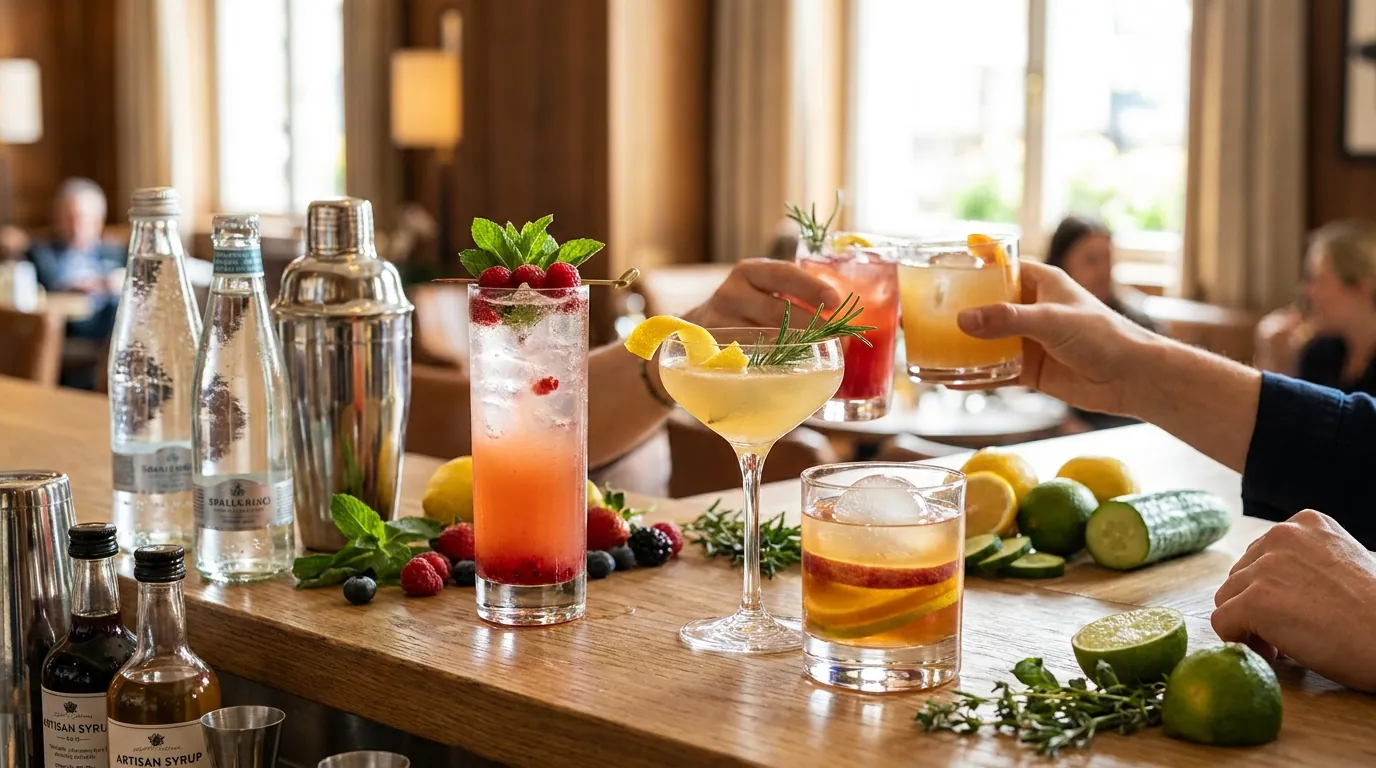
What is the mocktail? A mocktail is a non-alcoholic cocktail made to deliver the same kind of flavor, balance, presentation, and social experience as a traditional cocktail, but without the alcohol.
That simple definition explains why mocktails have become such a big part of modern drink menus, bar menus, home entertaining, and the broader sober curious movement. A good mocktail is not just a random mix of juice, soda water, and sugar. It is usually built with intention, using ingredients like fruit juices, fresh lime juice, fresh lemon juice, herbs, botanicals, simple syrup, sparkling water, ginger beer, and even zero-proof spirits to create something that feels layered and grown-up.
Today, you will see mocktail recipes everywhere, from a simple Virgin Mojito at brunch to elegant, restaurant-style drinks served in elegant glassware with garnishes, citrus wheels, or edible flowers. Whether you are a designated driver, a non-drinker, a party host, or just someone who wants an alcohol-free drink, understanding what is a mocktail helps you make smarter choices at home and when ordering out.
What Is a Mocktail? A Simple Definition
The easiest mocktail definition is this: a mocktail is a non-alcoholic mixed drink designed to mimic the style and structure of a cocktail. That means it usually combines multiple ingredients instead of relying on one sweet base. In other words, a real mocktail drink aims for flavor profiles that feel refreshing, balanced, and interesting.
This is why people often ask, “what exactly is a mocktail drink?” The answer is that it is more than a soft drink in a pretty glass. A strong non-alcoholic cocktail often includes something sweet, something acidic, something aromatic, and something that adds texture or lift. For example, a drink with orange juice, fresh lime juice, a little grenadine, and sparkling water will feel much more complete than plain fruit punch.
The word itself also matters. If you have ever wondered, “what does mocktail mean?”, it comes from the idea of “mocking” a cocktail, meaning it imitates the experience without including alcohol. That is why terms like mocktail meaning, mocktail definition, and dictionary definition of mocktail perform so well in search: many readers want a clear explanation before they get into recipes, trends, or ingredients.
Mocktail vs Cocktail vs Virgin Drink: What’s the Difference?
One of the most common questions is “what is the difference between a mocktail and a cocktail?” A cocktail contains alcohol. A mocktail does not. That is the core difference.
Still, the comparison gets a little more nuanced when you add the term virgin drink or virgin cocktail. In casual conversation, many people use mocktail and virgin cocktail interchangeably. For example, a Virgin Mary is usually understood as a non-alcoholic version of a Bloody Mary, and a Virgin Mojito is the alcohol-free version of a Mojito. But in modern mixology, some people draw a small distinction: a virgin drink is often viewed as a direct no-alcohol version of a classic cocktail, while a mocktail may be built from scratch as its own drink.
That difference matters because it shapes expectations. A mocktail vs cocktail comparison is not only about alcohol content. It is also about intent, craftsmanship, and presentation. A cocktail bar may create a mocktail menu with drinks that are just as layered and polished as its alcoholic list. That is part of why craft mocktails and zero proof drinks have become more respected in bars and restaurants.
Some menus also use terms like zero-proof cocktail or alcohol-free cocktail. These usually point to the same general idea, though some producers and venues note trace levels such as 0 to 0.05% ABV in certain products. For everyday readers, though, the simple answer remains the same: a mocktail is the alcohol-free option built to feel like a real cocktail experience.
What Is in a Mocktail? Common Ingredients Explained
If you are asking “what is in a mocktail?” or “what is a mocktail made of?”, the answer depends on the style of drink, but the building blocks tend to repeat.
Most mocktail ingredients fall into a few simple groups. First, there is the base, which may include fruit juices, juice, iced tea, English Breakfast tea, sparkling water, soda water, ginger beer, or a zero-proof spirit. Second, there is acidity, often from fresh lime juice or fresh lemon juice. Third, there is sweetness, usually from simple syrup, flavored syrups, grenadine, or natural sweeteners. Then come flavor boosters like mint, mint leaves, mint sprigs, basil, cucumber, juniper, or other botanicals. Finally, a good mocktail often ends with a visual touch such as citrus wheels, a lime wedge, edible flowers, or a sugar or salt rim.
Here is a simple table that shows the structure of a balanced mocktail:
| Element | Purpose | Common examples |
| Base | Main body of the drink | sparkling water, ginger beer, orange juice, tea |
| Acid | Brightness and freshness | fresh lime juice, fresh lemon juice |
| Sweetener | Softens sharp edges | simple syrup, grenadine, honey, syrups |
| Aroma | Complexity | mint, basil, cucumber, herbs |
| Finish | Texture or presentation | fizz, garnishes, edible flowers, rims |
This is why the long-tail query “common ingredients of mocktails” matters. Once readers understand the structure, they can make better drinks instead of just mixing sweet liquids together.
Are Mocktails Alcohol-Free? Do Mocktails Have Alcohol?
A very direct question people ask is “do mocktails have alcohol?” In general, mocktails are meant to be alcohol-free drinks. So the short answer is no.
That said, there is a practical difference between a homemade mocktail and something you order at an upscale venue using bottled ingredients. Some zero-proof spirits or specialty products may be labeled within a tiny trace range, such as 0 to 0.05% ABV, depending on the product and country rules. That is one reason the question “do mocktails have alcohol in them?” still appears in search.
For most readers, the useful takeaway is simple. If you are making a drink at home from sparkling water, fruit juices, herbs, and syrups, it is alcohol-free. If you are ordering from a bar menu or trying a packaged zero proof drink, it is smart to read the label or ask the server, especially if you are choosing a drink for pregnancy, religion, or personal health reasons.
A Brief History of Mocktails
The history side of this topic is often overlooked, but it gives the article more depth. The term’s first known use is often linked to 1916, which makes 1916 one of the most useful digit-based NLP entities for this topic. Long before today’s stylish drink culture, people were already creating festive drinks without alcohol.
Many discussions of history of mocktails also connect the rise of nonalcoholic drinks to the temperance movement, the middle of the 19th century, and later the 1920s during Prohibition. During those eras, temperance drinks and prohibition punches gave people alternatives that still felt social and celebratory.
That history matters because it shows that non-alcoholic cocktails are not just a passing trend. What has changed is the quality and ambition of the drinks. In the past, many alcohol-free options were simple punches or sweet mixtures. Today, modern mixologists and bartenders use better ingredients, thoughtful presentation, and more refined flavor balance. That shift has helped turn the mocktail from a side note into a serious category.
As one way to frame it, you could say the old idea was simply “a drink without alcohol,” while the modern idea is “a complete sensory experience without alcohol.” That is a major reason the category feels so relevant now.
Why Are Mocktails So Popular Right Now?
The rise in mocktail popularity is tied to several bigger cultural shifts. One of the strongest is mindful drinking. More people want flexibility in how they socialize. They may still enjoy going out, hosting friends, or celebrating milestones, but they do not always want alcohol to be part of the experience.
That is where the sober curious movement comes in. Many consumers are not swearing off alcohol forever. They are simply being more intentional. A mocktail gives them a way to enjoy the ritual of a beautiful drink, the aesthetic appeal, the elegant glassware, and the social moment without the downside they associate with alcohol.
Another reason why mocktails are rising in popularity is quality. Restaurants and sober bars no longer treat the alcohol-free option as an afterthought. Many now invest in non-alcoholic spirits, better ingredients, and more creative recipes. A drink made with botanicals, fresh fruit, fresh ingredients, and balanced acidity feels far more appealing than a generic soda.
There is also a seasonal angle. Interest in Dry January drinks often spikes after the holidays, but the trend now extends well beyond one month. Mocktail trend coverage keeps growing because the category fits health goals, social inclusion, and modern hospitality all at once.
Who Are Mocktails For?
A better question than “what is the mocktail?” might be “who is it for?” The honest answer is: almost everyone.
Mocktails for designated drivers make obvious sense. They allow someone to stay part of the group without feeling stuck with plain soda or water. Mocktails for pregnant women and expectant mothers are also a common use case, especially at showers, dinners, and family celebrations. Likewise, non-drinkers may choose them for personal preference, religious reasons, or long-term lifestyle choices.
They also work well for party hosts. If you are planning a social event, a dinner party, a baby shower, a bar mitzvah, or even a Quinceanera, offering one or two quality mocktails makes your menu feel more inclusive. That small effort sends a clear message: everyone gets a thoughtful drink, not just the guests who want alcohol.
This broader appeal is one reason inclusive socializing keeps showing up around the topic. A well-made mocktail is not a compromise. It is simply another good drink option.
Are Mocktails Healthy? Benefits and Drawbacks
Many readers also ask, “are mocktails healthy?” The best answer is that they can be, but it depends on the ingredients.
On the positive side, benefits of mocktails include avoiding alcohol, supporting moderation, and sometimes adding fresh components like fresh fruit, herbs, tea, and citrus. Some drinks may contain small amounts of vitamins and minerals or antioxidants, depending on what is used. That is part of why health-friendly mocktails appeal to wellness-minded readers.
But there is another side to the story. Some mocktails are packed with sugar, syrups, and sweet juices. So while they may be alcohol-free, they are not automatically light. This is where low-sugar mocktails, healthy mocktail ingredients, and calorie-conscious mocktails become important gaps to address.
A useful rule is to think in terms of balance. Drinks that use sparkling water, tea, citrus, herbs, and modest sweetness often feel fresher and less heavy. Drinks overloaded with syrup can taste flat and overly sweet. So yes, mocktails that are not too sweet are possible, and often better.
A good mocktail is not healthy just because it has no alcohol; it is healthier when the ingredient balance is thoughtful.
That one idea helps readers move beyond the false choice between “healthy” and “indulgent.”
Popular Mocktail Examples You’ve Probably Seen Before
Some classic drinks help answer the question “what is a mocktail?” better than a definition alone. The best-known example is probably the Shirley Temple, a sweet and fizzy drink often made with lemon-lime soda and grenadine. Then there is the Virgin Mojito, which uses mint leaves, lime, sweetness, and fizz for a cooling finish.
The Virgin Mary is a savory example, often built around tomato juice, spices, and bold seasonings. Some variations may include ingredients like Clamato juice, clam juice, Worcestershire sauce, or hot sauce. The Roy Rogers, often associated with Coca-Cola and grenadine, is another long-running favorite. And the Arnold Palmer, mixing iced tea and lemonade, shows how a simple formula can still feel classic.
These drinks matter because they show the range of the category. Some are retro, sweet, and familiar. Others feel more modern and crafted. Today’s menus might also feature a cucumber basil fizz, a spiced citrus spritz, or something more elaborate with edible flowers and citrus wheels. The point is that classic mocktails laid the foundation, but the category has expanded well beyond them.
How to Make a Good Mocktail at Home
If you want easy mocktails at home, start with a simple formula rather than a complicated recipe. A balanced drink usually needs five things: a base, acid, sweetness, aroma, and finish.
Here is a practical structure:
- Base: choose sparkling water, tea, ginger beer, or juice
- Acid: add fresh lime juice or lemon
- Sweetness: use a little simple syrup or another sweetener
- Aroma: add mint, basil, cucumber, or spice
- Finish: top with fizz and a garnish
That simple structure helps solve a major home problem: many beginners make drinks that taste like straight juice. The fix is balance. Too much sweetener and the drink feels flat. Too much acid and it becomes sharp. Too much fizz without flavor and it seems watery. This is why mocktail ratios and balanced mocktails are such valuable gap topics.
You do not need a full professional setup to make restaurant-quality mocktails at home. A shaker, jigger, spoon, and good ice already go a long way. Add quality citrus and herbs, and even a simple homemade drink can feel polished.
Easy Mocktail Recipe Formula + 3 Quick Ideas
A flexible recipe formula makes the category less intimidating. Try this basic model:
- 2 oz. base
- 1 oz. citrus
- 1/2 oz. sweetener
- Top with fizz
- Garnish to match the flavor
That template is inspired by the same kind of measurement logic that shows up in many recipe-style pages, including quantities like 2 oz., 1 oz., and 1/2 oz.
1. Citrus Spritz
Combine 2 oz. orange juice, 1 oz. fresh lime juice, and 1/2 oz. simple syrup over ice. Top with sparkling water and garnish with a lime wedge.
Makes: 1 Serving
2. Berry Cooler
Muddle berries with a little syrup, add lemon juice, then top with soda water. Finish with mint sprigs.
Makes: 1 Serving
3. Cucumber Mint Fizz
Shake cucumber slices, lime juice, a little sweetener, and mint. Strain over ice and top with fizz for a bright, clean drink.
Makes: 2 Servings if doubled in a small pitcher.
These easy ideas also show why easy 3-ingredient mocktails, sparkling mocktails, and even mocktail without syrup variations deserve more attention. Once readers understand the structure, they can adapt flavors based on what they already have.
How to Order a Mocktail at a Bar or Restaurant
One practical gap most articles miss is how to order a mocktail at a bar. The easiest way is to be specific. Instead of asking only for “something non-alcoholic,” ask for a drink that is not too sweet, citrus-forward, herbal, spicy, or refreshing.
If the venue has a dedicated mocktail menu, start there. If not, ask whether the bartender can make something with lime, herbs, and sparkling water, or a version inspired by a Mojito or spritz. In a good cocktail bar or upscale cocktail bar, that kind of request usually works well.
This matters because ordering better often leads to a better drink. The more specific you are, the more likely the result will feel intentional rather than improvised.
Best Occasions to Serve Mocktails
Mocktails fit almost any event. They work at brunch, birthdays, weddings, dinner parties, summer gatherings, and holiday meals. They are especially useful at mixed events where some guests want alcohol and others do not.
For hosts, this is a big advantage. A stylish mocktail for a baby shower, brunch, or wedding instantly makes the drink table feel more thoughtful. Holiday mocktails, summer mocktails, and party mocktails for a crowd also add flexibility because they can be adapted for different ages and preferences.
That is why best occasions to serve mocktails is such a smart supporting topic. It connects the definition to real life.
Batch Mocktails, Kid-Friendly Mocktails, and Low-Sugar Options
Three of the biggest opportunities in this topic are batch mocktails, kid-friendly mocktails, and low-sugar mocktails. These are useful because they answer real hosting needs.
For a party, pitcher mocktails are much easier than making drinks one by one. A citrus tea spritz or berry cooler can be mixed ahead, then topped with fizz right before serving. For family events, kid-friendly mocktails work best when they are colorful, simple, and not overloaded with syrup.
For health-conscious readers, sugar-free mocktails or low-sugar mocktails can be built around citrus, herbs, tea, and sparkling water rather than juice-heavy bases. Even a small shift, like replacing some juice with fizz or cucumber, makes a drink feel lighter while keeping the flavor profiles interesting.
This is also where party mocktails for a crowd shine. They are practical, attractive, and far more inclusive than offering only alcohol or plain soda.
FAQ: Common Questions About Mocktails
Are mocktails just juice?
No. A well-made mocktail uses structure and balance, not just sweetness. It should feel closer to a cocktail than to a juice box.
Are mocktails healthy?
They can be, but it depends on the ingredients. Drinks built around citrus, herbs, tea, and moderate sweetness are often better choices than syrup-heavy mixes.
Can pregnant women drink mocktails?
Usually yes, but it is always smart to check ingredients, especially when ordering out or using packaged zero-proof spirits.
Do mocktails always use non-alcoholic spirits?
No. Many excellent drinks use only juice, citrus, herbs, tea, or fizz. Non-alcoholic spirits are optional, not required.
Why are mocktails expensive at bars?
Because a good one still takes skill, ingredients, prep, and presentation. You are paying for craftsmanship, not just alcohol content.
What is the difference between a mocktail and a virgin drink?
They overlap a lot. In casual use, they often mean the same thing. In modern drink culture, a mocktail may be more intentionally designed as its own beverage.
Final Takeaway: What Makes a Mocktail Worth Drinking?
So, what is a mocktail in the end? It is a non-alcoholic cocktail that offers more than just the absence of alcohol. A good one delivers flavor, presentation, refreshment, and a real sense of occasion.
That is why the category keeps growing. Whether you want a premium mocktail experience, a simple drink for brunch, or a stylish option for guests who are not drinking, the best mocktails feel complete and intentional. They are not second-best drinks. They are simply good drinks on their own.
Disclaimer: This content is for general informational purposes only and should not be considered medical, dietary, or professional advice. Ingredients, health effects, and uses may vary. Always consult a qualified expert before making decisions regarding health, nutrition, or safety concerns issues.