
 By Admin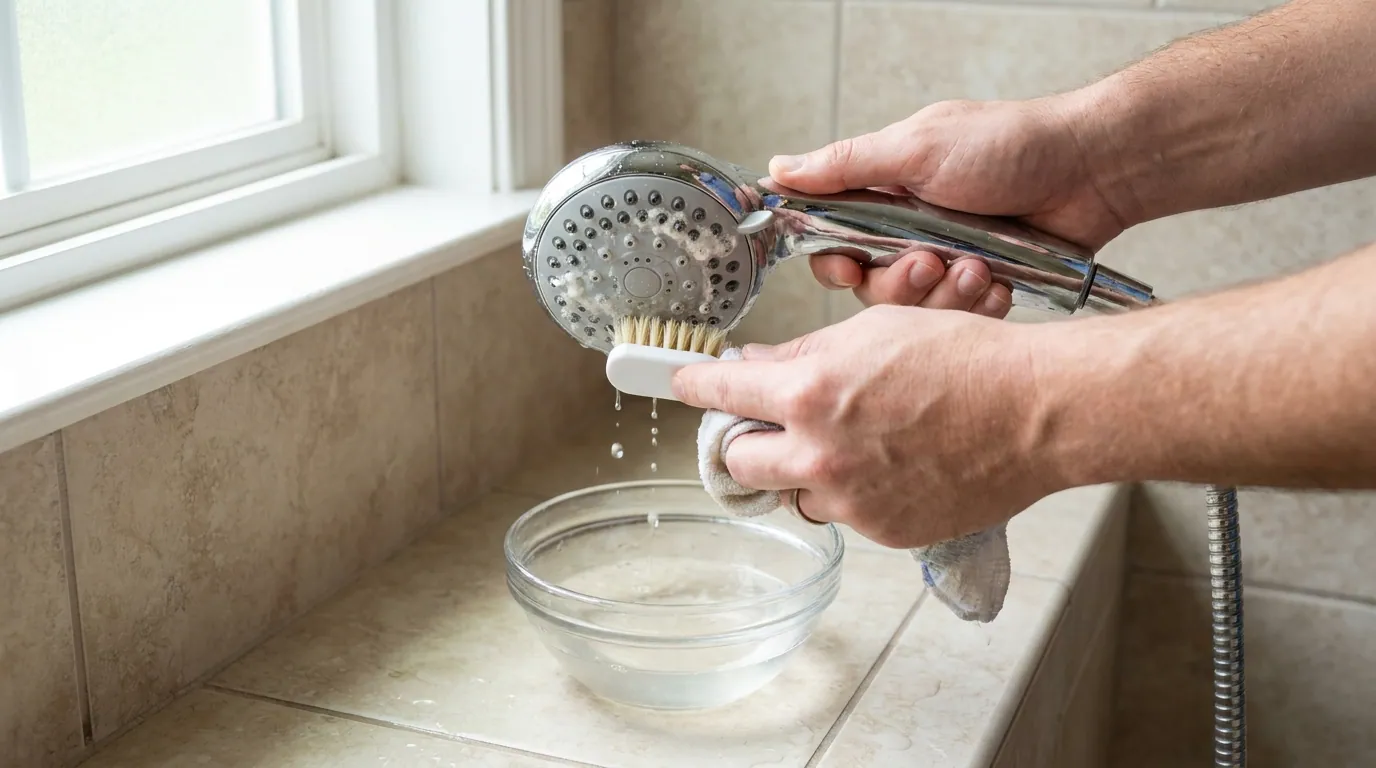
How can I increase water pressure in the shower is usually the first question people ask when the spray suddenly feels weak, rinsing shampoo takes forever, or the shower only struggles when someone else runs a faucet. In most homes, the cause is not mysterious. It is often a clogged showerhead, mineral buildup from hard water, a partly closed valve, a pressure regulator issue, or a flow-rate problem that feels like low pressure. There are also cases where the shower itself is fine and the real problem is a valve cartridge, old pipes, or low supply pressure to the whole house.
The good news is that you can usually troubleshoot this in a smart order without wasting money. Start with the fastest fixes, test before you buy anything, then move to bigger solutions only if the simple steps fail. That matters because a new showerhead can help in some homes, but it will not solve a failing pressure-reducing valve, a blocked mixing valve, or a plumbing leak behind the wall.
Why Your Shower Pressure Feels Weak
When people say low shower pressure, they often mean one of two things: true low water pressure or low flow rate. They feel similar in the shower, but they are not exactly the same. Pressure is the force pushing water through the system, while flow rate is the amount of water coming out over time, commonly measured in gallons per minute (GPM). That is why two showers can feel very different even when the plumbing pressure is technically okay.
This distinction matters because many modern showerheads are designed to limit water use. The EPA says standard showerheads use 2.5 gallons per minute, while WaterSense-labeled showerheads must use no more than 2.0 gpm and still provide a satisfactory shower experience. So if your shower feels weak, the issue may be a clog, a restriction, or simply a low-flow fixture that is not a good match for your home’s plumbing conditions.
What Causes Low Water Pressure in a Shower?
The most common cause is a clogged showerhead. Over time, calcium, magnesium, and other mineral deposits from hard water collect in the nozzles and internal passages. Fresh Water Systems specifically notes that hard water is one of the most common causes of reduced shower pressure and flow because mineral buildup blocks the showerhead.
Another common cause is a problem with the shower valve, especially the pressure-balance valve or cartridge. Delta’s guidance notes that if both hot and cold supplies are not available to a pressure-balance valve, it may allow only a dribble of water through. In real-life troubleshooting, that means low pressure on one side, debris inside the cartridge, or a partially blocked valve can make the shower feel weak even if the rest of the bathroom seems normal.
You can also lose shower pressure because of partly closed shutoff valves, a failing pressure regulator, leaks, or old corroded pipes. If the pressure is poor throughout the home, the issue is more likely system-wide. If only one shower is weak, the problem is more likely in the showerhead, cartridge, valve body, hose, or diverter.
Water Pressure vs. Flow Rate: Why They’re Not the Same
A shower can feel weak even when your house pressure is not terrible. That is because the shower experience depends on both PSI and GPM. Competitor guidance in this space commonly treats healthy residential pressure as roughly 40 to 60 PSI or 50 to 60 PSI, and warns that much lower readings can create weak performance while very high pressure can stress plumbing components.
Flow rate matters too. The EPA’s current WaterSense rule caps labeled showerheads at 2.0 gpm, while conventional showerheads are commonly referenced at 2.5 gpm. That means a showerhead can be efficient and still feel decent, but a clogged low-flow head in a low-pressure home can feel especially poor. In other words, the solution is not always “more pressure.” Sometimes the right move is cleaning the fixture or choosing a showerhead that delivers a stronger spray pattern within the allowed flow range.
Start by Testing the Problem Before You Buy Anything
Before buying a high-pressure showerhead, a booster pump, or replacement plumbing parts, do three quick checks. First, figure out whether the problem affects one shower or the whole house. Second, test whether the issue is on the hot side, the cold side, or both. Third, pay attention to whether the pressure drops only when another fixture is running, like a sink, toilet, or dishwasher. Those clues tell you whether to focus on the shower itself or the wider plumbing system.
A simple bucket test helps you judge flow rate. Run the shower into a bucket for a set amount of time and compare the output. If the flow is clearly poor, that points you toward cleaning, de-scaling, or changing the showerhead before moving on to deeper repairs. You can also attach a water pressure gauge to a hose bib or outdoor spigot to get a rough house-pressure reading. That is much more useful than guessing.
Here is a simple way to think about the diagnosis:
| What you notice | Most likely area to check first |
| Only one shower is weak | Showerhead, hose, cartridge, valve, diverter |
| Whole house has low pressure | Main valves, pressure regulator, supply issue, leak |
| Only hot water is weak | Water heater side, mixing valve, cartridge |
| Pressure drops when another fixture runs | Pressure-balance valve, undersized pipes, demand issue |
The value of this table is practical: it keeps you from jumping straight to a costly fix when the problem may only be a dirty showerhead or a valve that is not fully open.
7 Quick DIY Fixes to Increase Shower Water Pressure
1) Clean the Showerhead Thoroughly
This is the best place to start because it is cheap, quick, and often works. Remove the showerhead if you can, inspect the spray holes, and soak the head in vinegar or a descaling solution if you see mineral deposits. Hard water commonly leaves behind calcium and magnesium, which narrow the openings and reduce flow.
If your showerhead has flexible nozzles, rub them with your fingers after soaking. If the head is very old or heavily blocked, replacement may be easier than restoring it. This single step solves a surprising number of low water pressure showerhead complaints.
2) Check the Flow Restrictor Carefully
Some showerheads include a flow restrictor that limits water output. If your house already has modest pressure, that restriction can make the shower feel weaker. However, do not remove parts blindly. The EPA says WaterSense-labeled showerheads are designed to stay at 2.0 gpm or less while still delivering satisfactory performance, so replacing a poor-performing head with a better-designed model may be smarter than trying to defeat the fixture’s built-in control.
Also keep local code and efficiency rules in mind. In many markets, the better fix is not “maximum flow.” It is a better spray design that works well at lower flow rates. That is why some newer showerheads feel stronger without using more water.
3) Make Sure the Valves Are Fully Open
A partly closed main shutoff valve, water meter valve, or local inline valve can starve the shower. This is especially worth checking if the pressure changed after recent plumbing work. Even one not-quite-open valve can make the whole house feel weaker.
If the low pressure is isolated to the bathroom, check any accessible stop valves serving that area. This is a basic step, but it is easy to miss and costs nothing to fix.
4) Inspect for Leaks, Corrosion, or Hidden Plumbing Problems
Leaks steal pressure. If you have water damage, musty smells, peeling paint, or a high water bill, weak shower pressure may be only one symptom of a larger problem. ABC’s plumbing guidance notes that leaks can significantly affect household pressure and suggests checking the water meter over time to spot unexplained usage.
Older homes may also have galvanized steel pipes with internal corrosion that narrows the pipe and restricts flow. If that is happening, the shower is not the real problem; the piping is.
5) Check the Mixing Valve or Shower Cartridge
If the shower has low pressure on hot water only, or the pressure changes strangely with temperature, the mixing valve or cartridge may be blocked or failing. Delta notes that pressure-balance valves depend on both hot and cold supplies functioning properly. If one side is restricted, the valve can sharply reduce flow.
This is one of the most overlooked fixes. Homeowners often replace the showerhead when the true issue is inside the valve. A clogged or worn cartridge is especially likely if the shower got weak after plumbing work, after sediment moved through the line, or if only one shower is affected.
6) Adjust or Replace the Pressure Regulator
If the whole house has low pressure, your pressure-reducing valve may need adjustment or replacement. A healthy home often sits somewhere in the 40 to 60 PSI range, though the ideal number depends on the house and local system. If your reading is well below that, and the problem affects multiple fixtures, this becomes a strong suspect.
This is not always a DIY job. Too much pressure can stress plumbing, while too little makes daily use frustrating. If you are unsure, this is a good point to involve a licensed plumber.
7) Upgrade to a Better Showerhead
A better high-pressure showerhead can absolutely improve the feel of the shower, especially if your current fixture is old, scaled up, or poorly designed. The key is not just the GPM rating. It is also the spray pattern and internal engineering. Delta’s WaterSense-labeled shower products say they use at least 20% less water than the industry standard while aiming to avoid a performance compromise.
That means a new showerhead can be a smart fix when the home’s pressure is acceptable but the shower still feels weak. It is one of the most useful upgrades for people searching best shower heads for low water pressure.
When the Problem Is Bigger Than the Shower
Sometimes none of the quick fixes solve it because the issue is bigger than the fixture. If you live in an older house, the plumbing may be undersized or partially blocked. If you live on a hill, in an upstairs unit, or in an area with weak municipal supply during peak times, the pressure reaching the shower may simply be lower than you want.
In those cases, it helps to separate single-shower low pressure diagnosis from whole-house low water pressure diagnosis. One weak shower points to a local restriction. Multiple weak fixtures point to system pressure, supply, or piping. That simple distinction keeps your troubleshooting grounded.
Booster Pumps
A booster pump can increase usable pressure in homes where supply pressure is consistently too low. Competitor pricing in this topic commonly puts the pump itself around $800–900, with installed totals around $1,200–$1,500, depending on labor and complexity.
That is not a casual purchase, but it can be the right answer when the whole house suffers and the supply pressure is genuinely inadequate. It is much more sensible in that situation than repeatedly replacing showerheads and hoping for a miracle.
Old or Undersized Pipes
If the home still has old galvanized steel pipes, internal corrosion may be stealing your pressure. Replacing sections with PEX or copper can restore flow, but this is obviously a bigger project. It becomes more likely when pressure problems are chronic, widespread, and paired with visible signs of age in the plumbing system.
How Much Does It Cost to Increase Shower Water Pressure?
The cost depends on what is actually wrong. Cleaning a showerhead is nearly free. Replacing the head is inexpensive compared with plumbing work. A pressure regulator adjustment or minor plumbing correction may land around $150–$300 in some cases, while a booster pump is much more expensive. Fresh Water Systems lists the pump at roughly $800–900, with installation pushing totals much higher.
That is why smart testing matters. Spending five minutes checking valves, cleaning the head, and comparing hot-versus-cold performance can save you from buying the wrong fix.
Do Water Filters or Softeners Affect Shower Pressure?
Yes, they can. Fresh Water Systems explicitly discusses whether water filters and water softeners affect shower pressure. A dirty or undersized filter can reduce flow, while hard-water treatment can help prevent the mineral scaling that clogs fixtures over time.
So if your shower has a filter attachment, or your home has a whole-house filtration system, check whether the filter needs replacement. In some homes, the hidden problem is not the showerhead at all but a neglected filter element upstream.
Apartment and Rental Fixes
If you live in an apartment or rental, you may not be allowed to replace valves, regulators, or hidden plumbing. That does not mean you are stuck. Focus on cleaning the showerhead, removing visible scale, checking the hose for kinks, comparing hot and cold performance, and swapping to a better-designed showerhead that fits your lease rules. Those are the safest low-risk upgrades. The EPA’s WaterSense guidance is useful here because it reminds you that lower-flow fixtures do not automatically have to feel weak.
If multiple fixtures in the unit are weak, document the issue and report it to management. A tenant can replace a showerhead easily, but a building-wide pressure issue, a failing valve, or a clogged building riser is not a tenant-level repair.
When to Call a Plumber
Call a pro if the shower pressure is low throughout the house, if you suspect a leak, if the problem is inside the valve body, or if adjusting the regulator is beyond your comfort level. Also call if pressure changes come with water damage, mold, big temperature swings, or a high water bill. Those are signs that the issue may be larger than a simple fixture problem.
A plumber is also worth it when only the hot side is weak and you suspect a cartridge, mixing valve, or pressure-balance valve problem. Those repairs are much easier to diagnose correctly when someone can test the system in person.
A Practical Case Study
Imagine a homeowner with low shower pressure only in the primary bathroom. The sink next to it works fine, and the cold side feels stronger than the hot side. They replace the showerhead, but nothing changes. In that case, the clues point away from whole-house pressure and toward the shower cartridge or mixing valve. Delta’s pressure-balance guidance supports that logic because restrictions on one supply side can sharply limit shower flow.
Now imagine the opposite: every faucet in the house seems weak, the shower gets worse when the washing machine is running, and an outdoor pressure reading is low. That points toward a pressure regulator, supply issue, or the need for a broader plumbing review, not just a new showerhead.
Final Checklist: The Best Order to Troubleshoot Low Shower Pressure
Use this order and you will usually find the answer faster:
- Clean the showerhead and remove mineral buildup.
- Check whether the problem is hot only, cold only, or both.
- See whether the issue affects one shower or the whole house.
- Confirm that the main shutoff and nearby valves are fully open.
- Test flow and, if possible, measure pressure with a gauge.
- Inspect for leaks, corrosion, or filter restrictions.
- Look at the cartridge, mixing valve, or pressure-balance valve if one side is weak.
- Consider a better high-pressure showerhead if the plumbing pressure is acceptable.
- Move to a pressure regulator check or booster pump only if the broader system is the problem.
Conclusion
If you are wondering how can I increase water pressure in the shower, start simple. In many cases, the best fix is to clean the showerhead, clear scale, or correct a small restriction. If that does not work, narrow the problem down by testing whether it affects only one shower, only the hot side, or the whole house. From there, the right answer usually becomes obvious: cartridge, valve, pressure regulator, better showerhead, or a larger plumbing solution.
The strongest article angle, and the most helpful real-world approach, is not to chase a single miracle fix. It is to diagnose in order, solve the easiest problem first, and spend real money only when the plumbing evidence points that way.
Disclaimer: This article is for general informational purposes only and should not replace professional plumbing advice. Water systems vary by home, so results may differ. Always consult a licensed plumber for persistent low pressure, safety concerns, or complex repairs involving valves, pipes, or regulators.